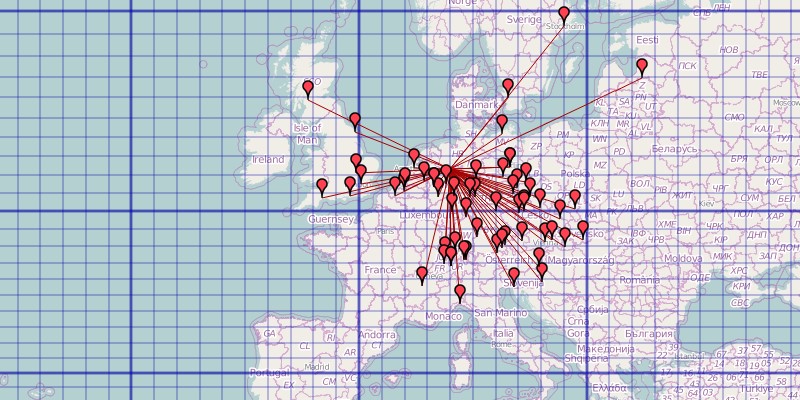
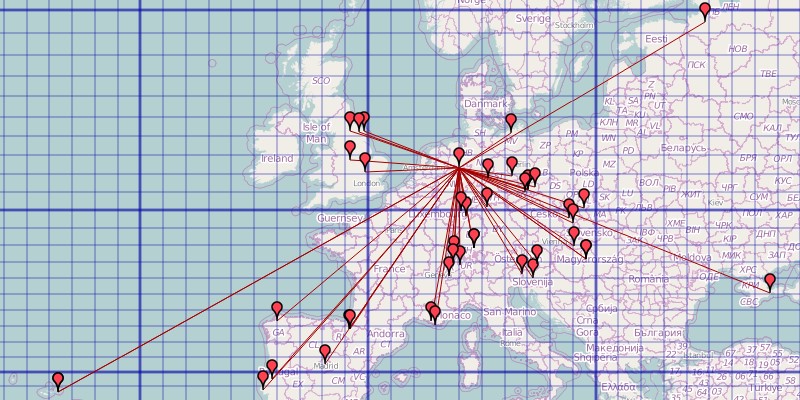
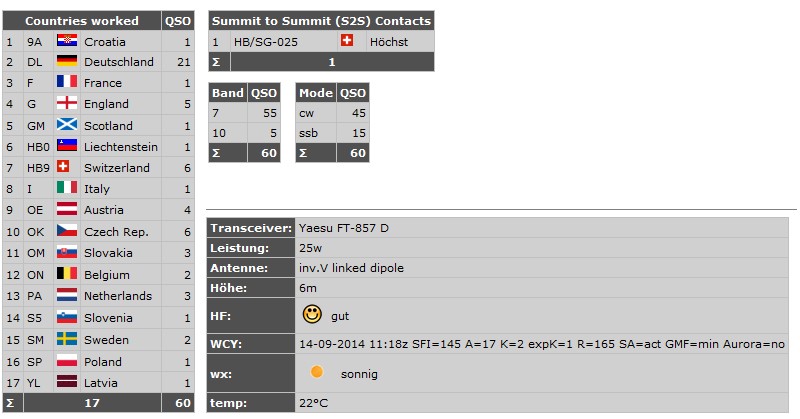
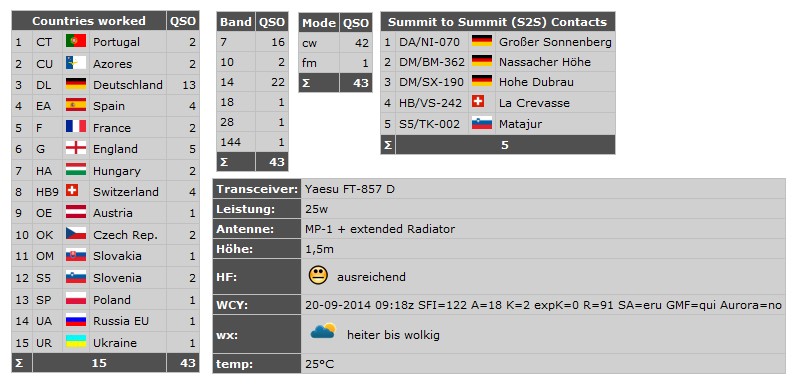
Summit-Activation #455 + #456
|
|
|
|
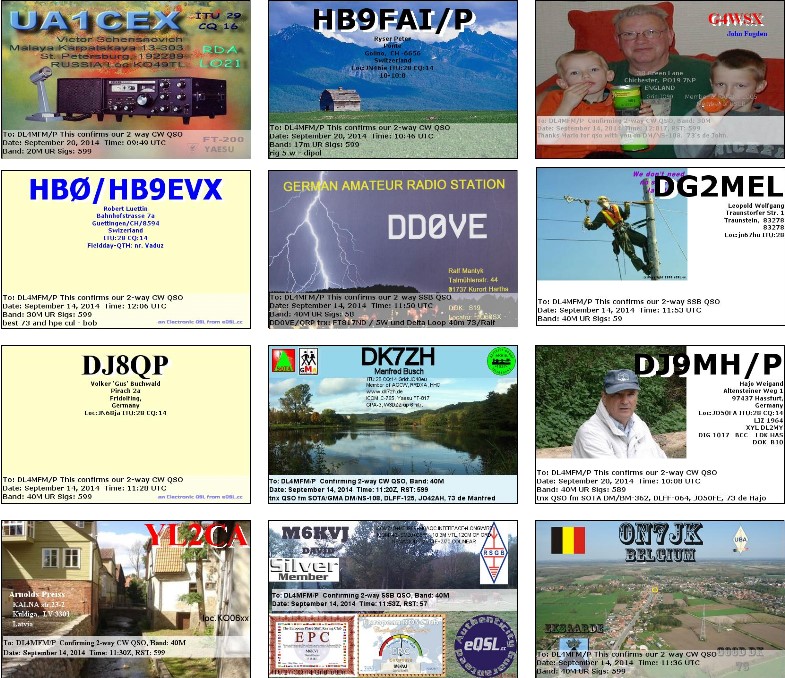
| Roger, F5LKW, received me in South France |
|
|
|
DL4MFM's Amateur Radio Blog
Aktivitäten in anderen Ländern als Deutschland
Summit-Activation #455 + #456
|
|
|
|
| Roger, F5LKW, received me in South France |
|
|
|
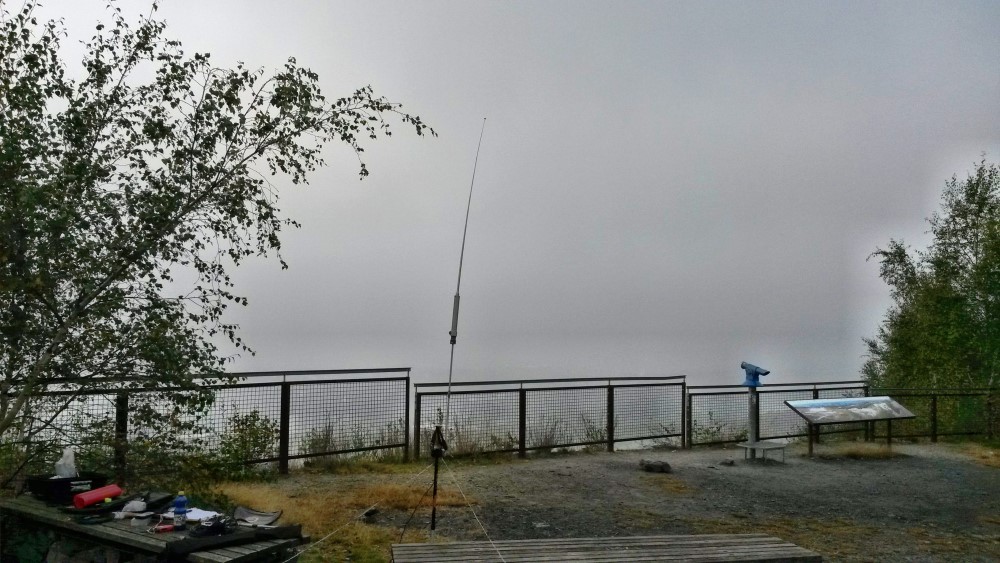
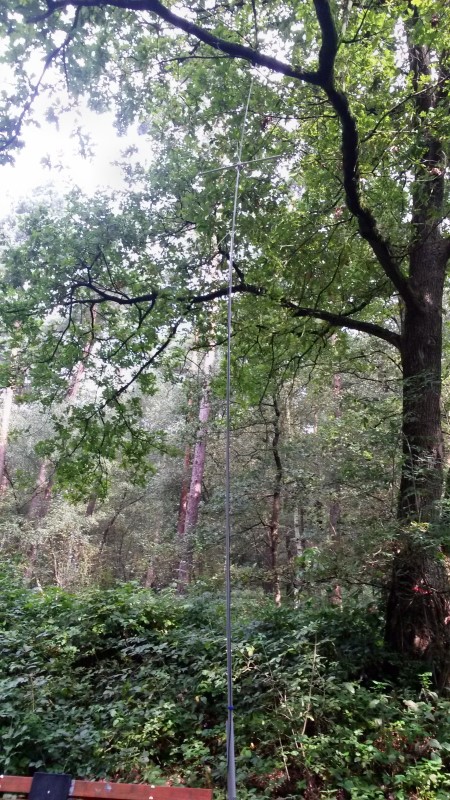
Geplant war auf der Rückreise aus dem Oldenburger Münsterland ein Stopp am Signalberg (DM/NS-120). Der September UKW-Contest versprach schnelle 4 QSO für GMA und SOTA. Der Weg vom Schweizer Haus zur Bergkuppe ist gut ausgebaut, da auf dem Signalberg ein militärischer Sendemast steht. So konnte mich XYL Bettina, DC1BF, begleiten. Die Funkanlage bestand wieder aus der schnell aufzubauenden Delta Loop für 144 MHz. Das Funkgrät wie gewohnt ein YAESU FT-817-ND mit einer nachgeschalteten Endstufe, sodass etwa 25w auf die Antenne geht.
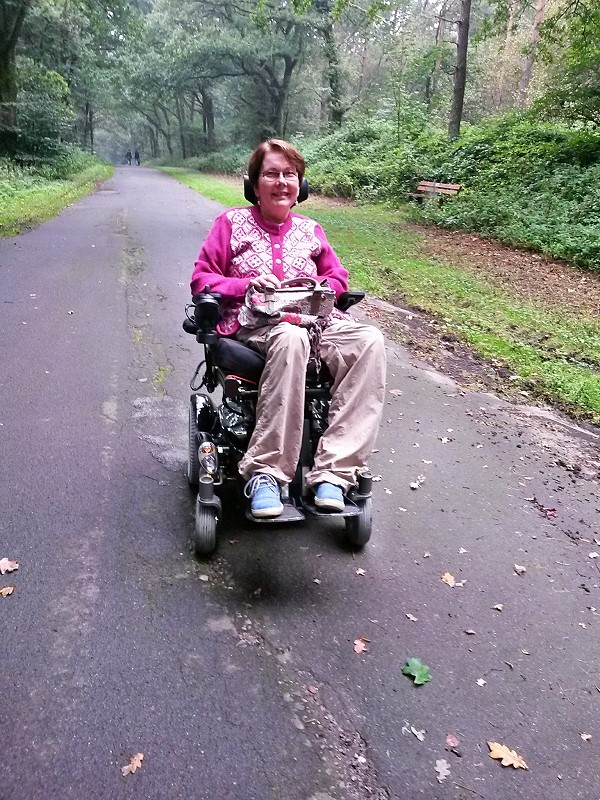 |  |
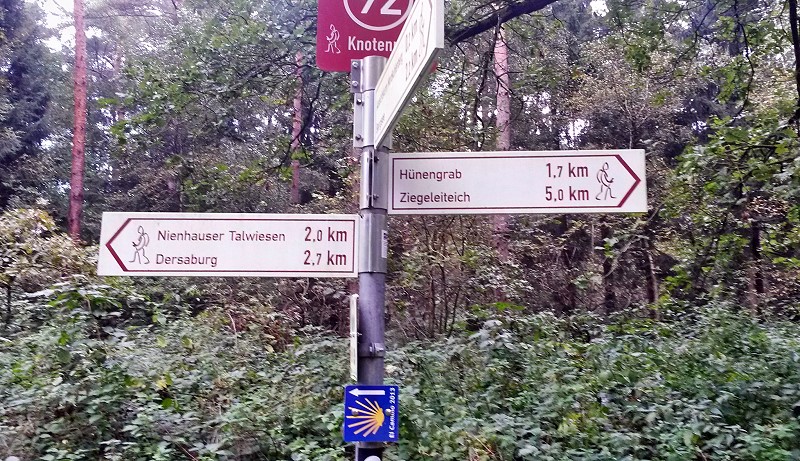
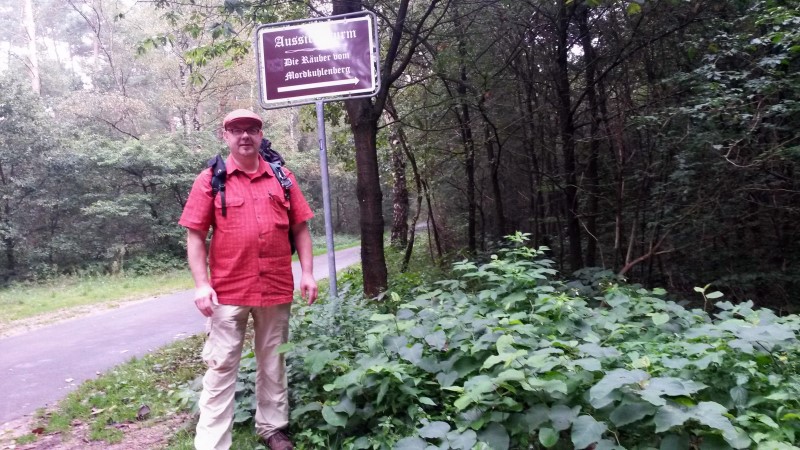
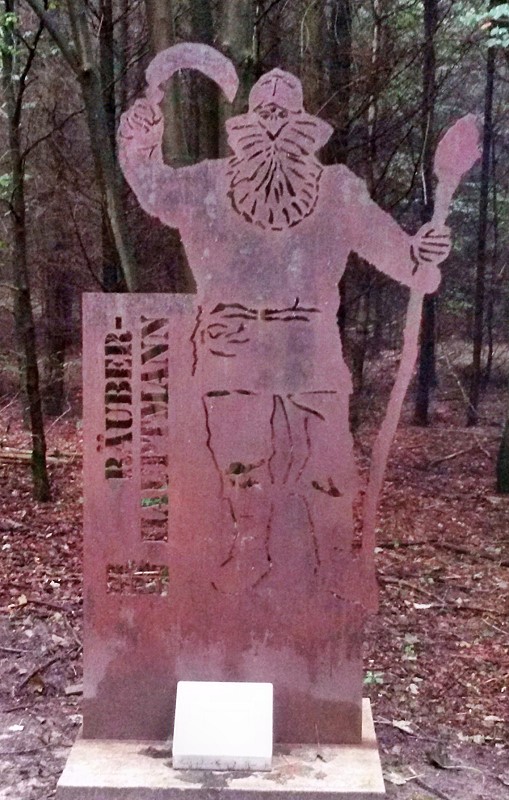
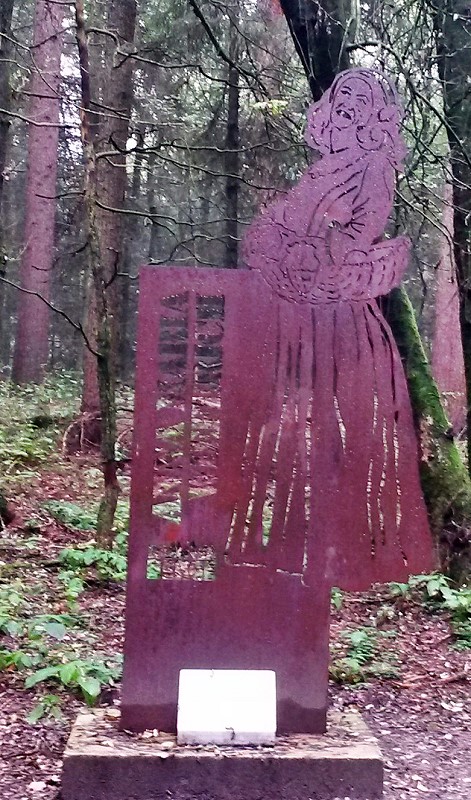
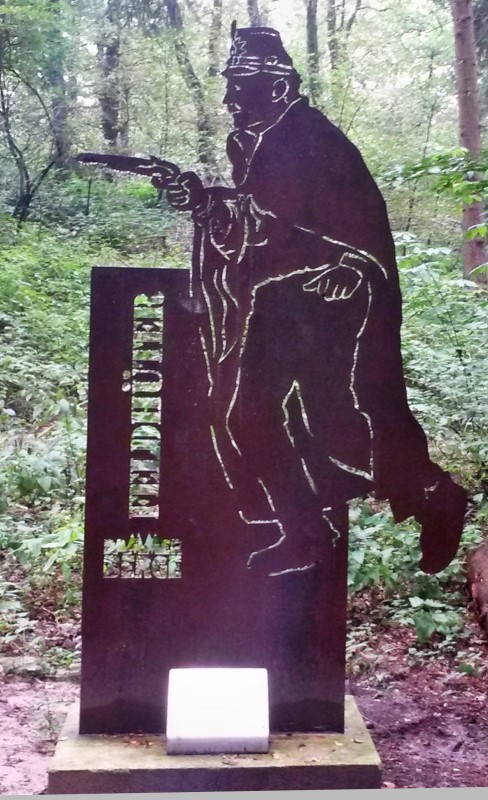
Wie erwartet ging der Funkbetrieb aus der völlig bewaldeten Aktivierungszone des Signalbergs zäh. Nur ein paar Conteststationen < 100 km fanden ihren Weg ins Logbuch. Da wir schon sicher 25 Jahre nicht mehr am eigentlich nahegelegenen Aussichtturm auf dem Mordkuhlenberg waren, beschlossen wir, dort noch einen Besuch abzustatten. Wenn des denn möglich sei. Von der asphaltierten Straße, die übrigens ein Teilstück des Jakobswegs ist, zweigte aber ein gut befestigter Weg ab, kein Problem für den Rollstuhl.
 |  |
 |  |  |
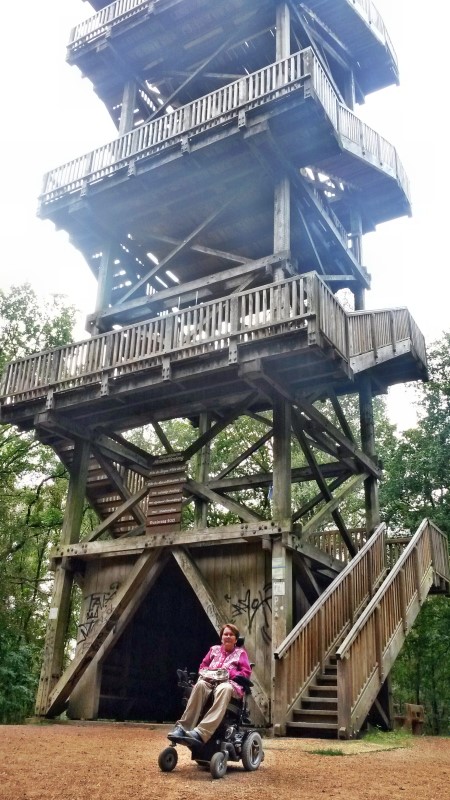 |
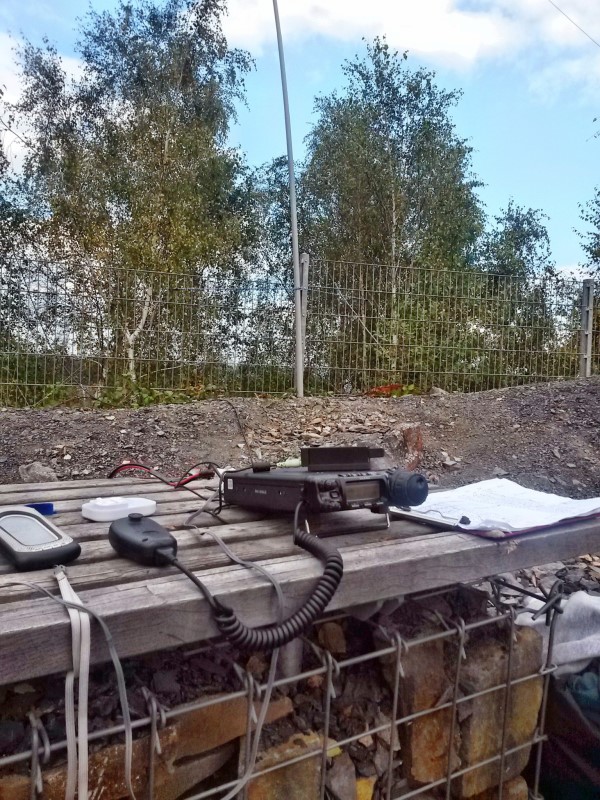
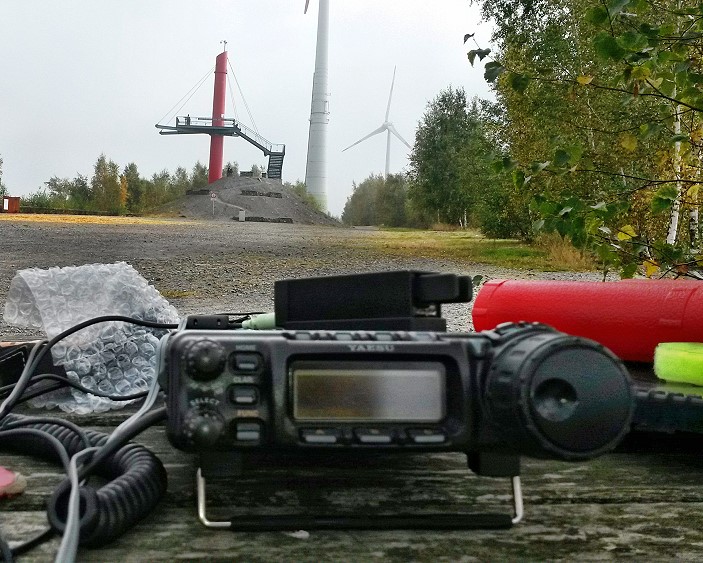
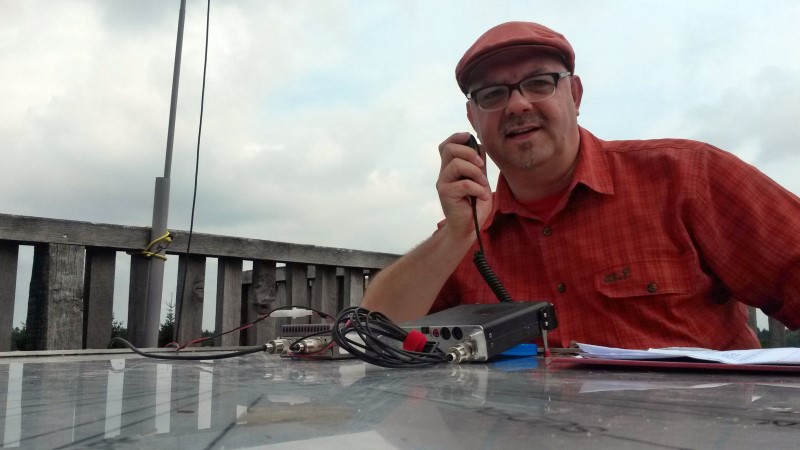
Auf dem Turm erwartete mich ein erstklassiger Funkplatz. Tisch, Bänke – einzig das deutlich spürbare Schwanken des Turmes ist reichlich ungewohnt!
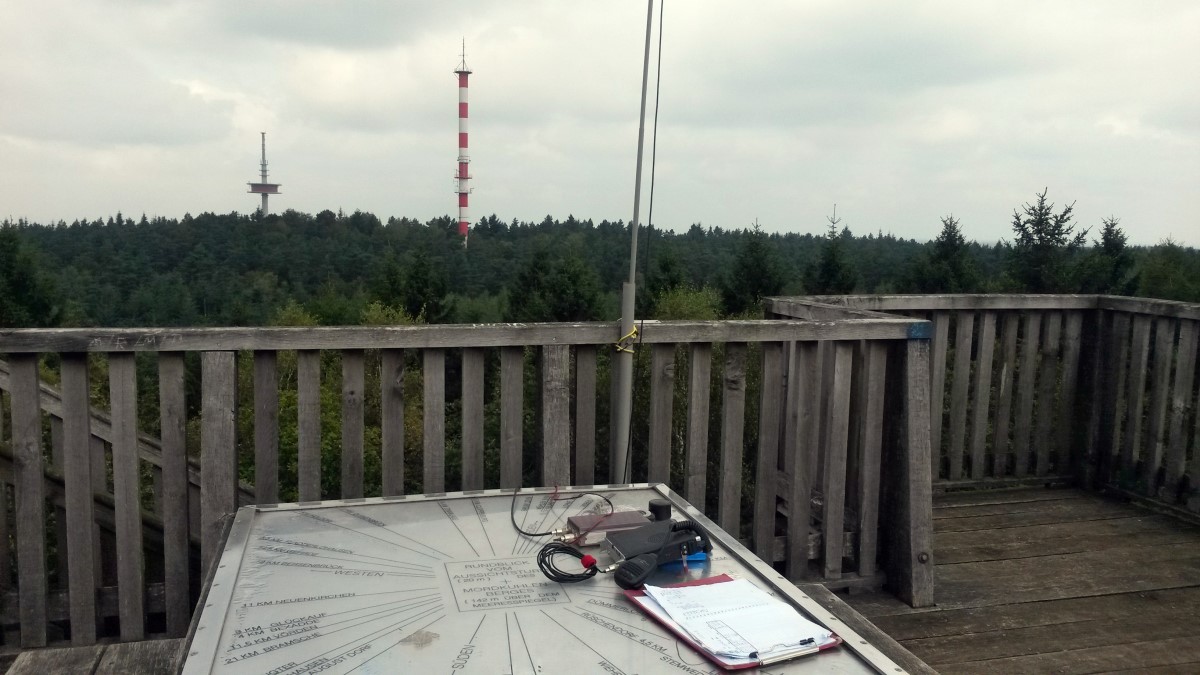
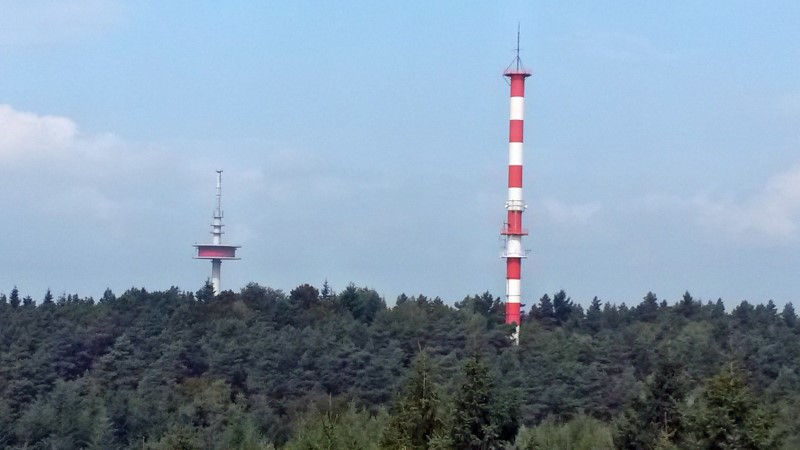
Der rote-weiße Turm ist der militärische Funkturm auf DM/NS-120, der Fernsehturm dahinter steht am Nordhang des Signalbergs.
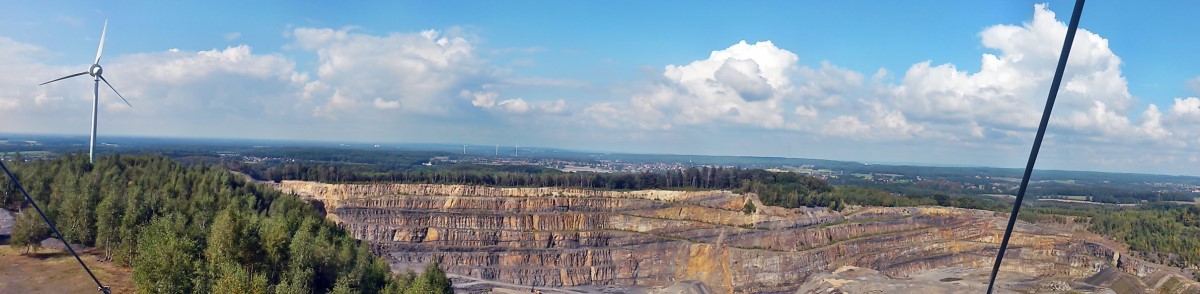
Leider war das Wetter sehr diesig, bei klarem Wetter muss die Aussicht grandios sein. Vom Dümmer bis zum Wiehengebirge reichte der leider getrübte Blick.
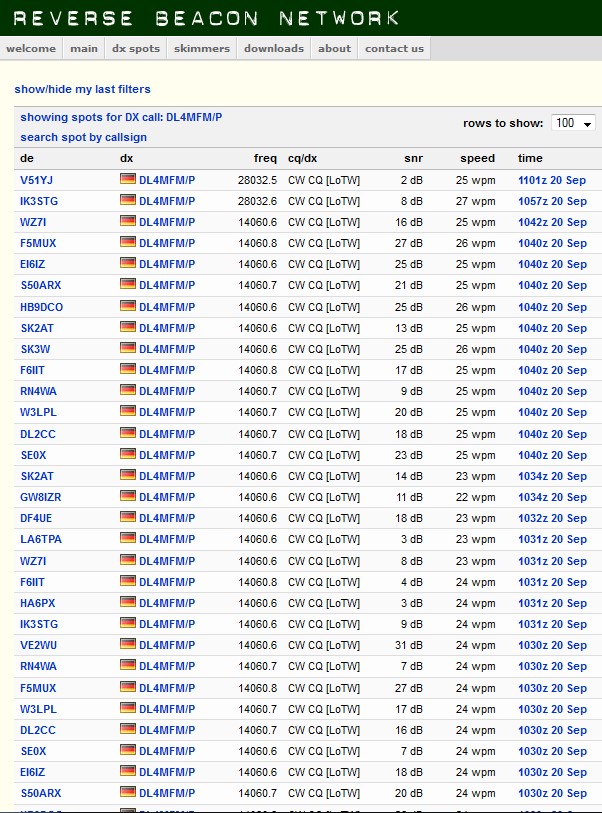
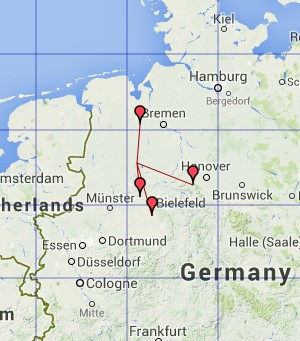
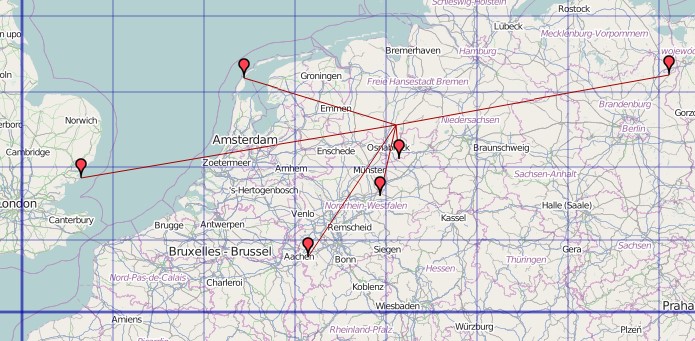
Als ich dann das Funkgerät einschaltete, hörte ich eine HB9 Station CQ rufen. Es ist zwar nicht selten, HB9 auf 2m hier zu hören, aber immer etwas Besonderes, die Station dann auch zu erreichen. Leider hat es nicht geklappt. Beim Rüberdrehen dann DF0FA (Klubstation Funkamateur): da wusste ich, dass die irgendwo an der polnischen Grenze stehen => 1. Anruf und im Log. DF0FA kam mit S9 bei mir an! 409km
Weitergedreht: CQ CONTEST G0VHF/p
Erster Anruf – im Log! 477km
PC5T from the Island of Texel: Zack – im Log. „nur“ 234km
Aber PC5T taufte dann mein Rufzeichen DLØQW in DL Null Quelle Welle 😉 Eine völlig neue Sichtweise …
Was für ein Unterschied, zuerst mitten im Wald und eine Stunde später mit freiem Schuss vom Aussichtsturm!
 |  |
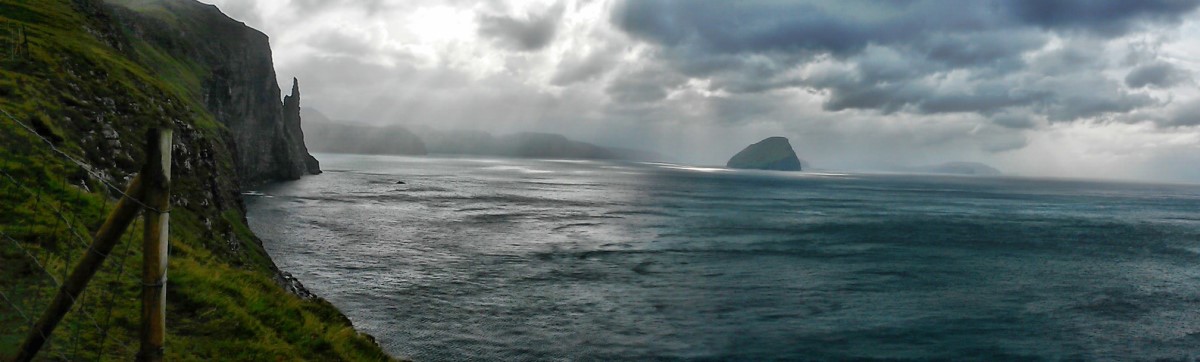
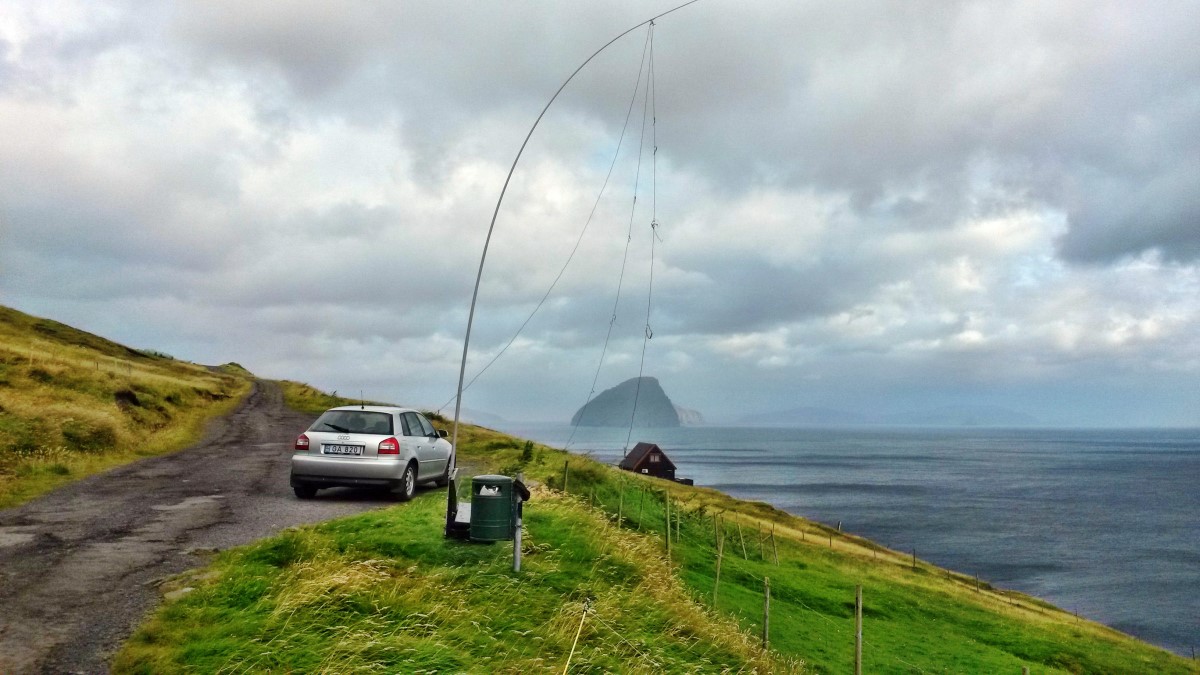
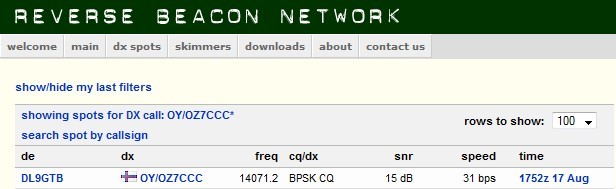
This was my last HAM Radio Operation from Faroe Islands this summer. The car park about 500m from Trøllkonufingur has a nice view und was close to my hostel. So I decided to operate from there on a very stormy and rainy afternoon. Transceiver was FT-817, a Windows 7 Netbook with MixW software. Some 20 qsos on 20 and 30m came into the log. BPSK is new to me, maybe more qso were possible.
The storm was very heavy and rocked the mast around … up an down … the linked dipole flipped away … then next setup and next CQ.
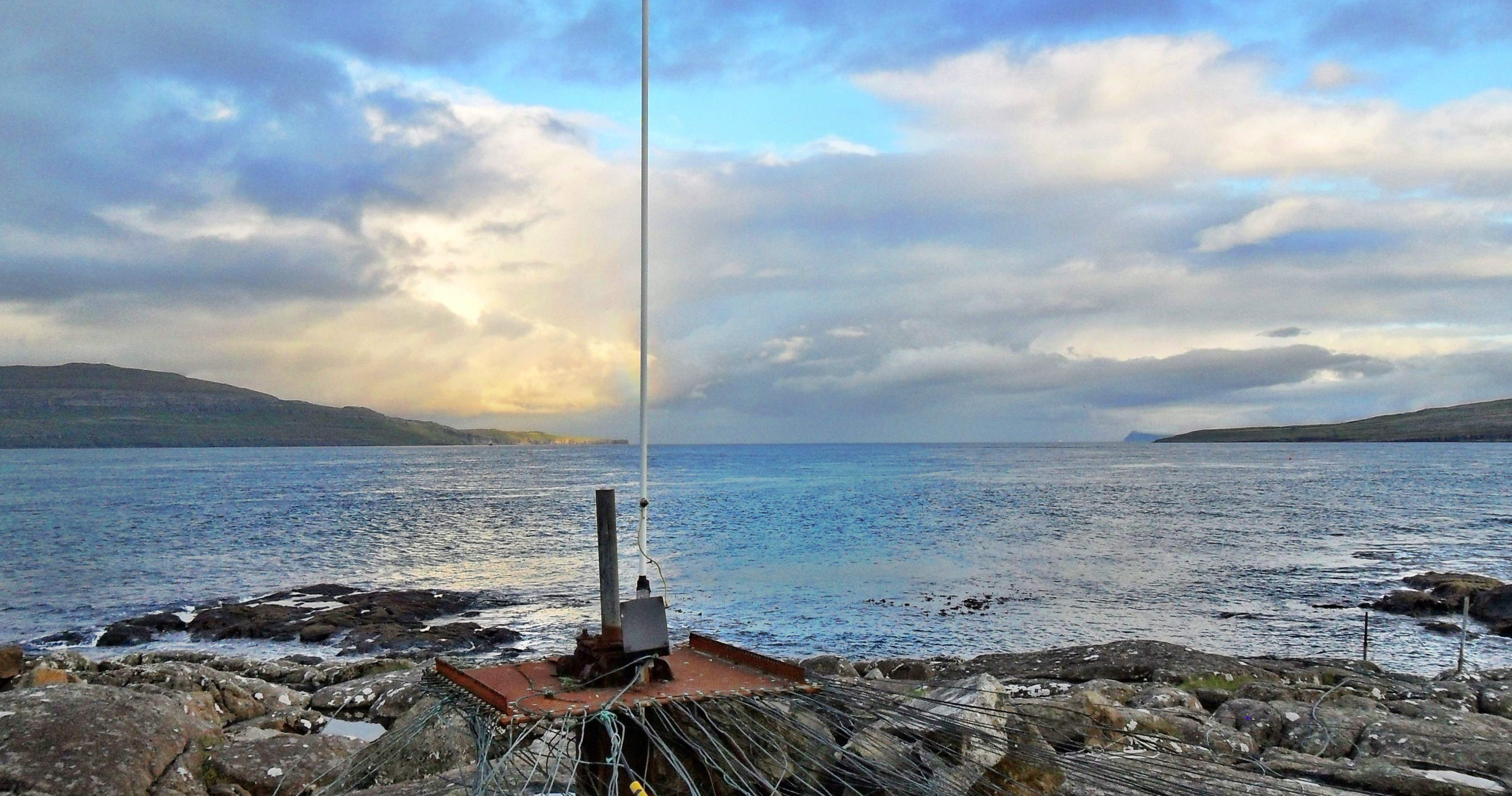
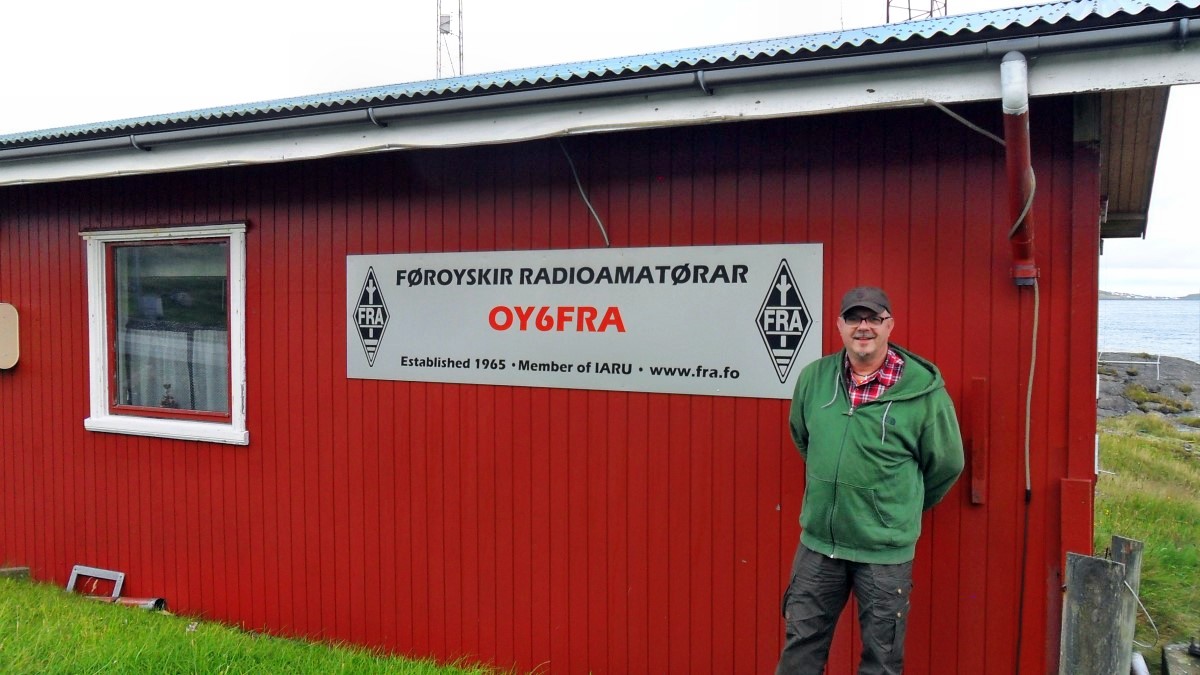
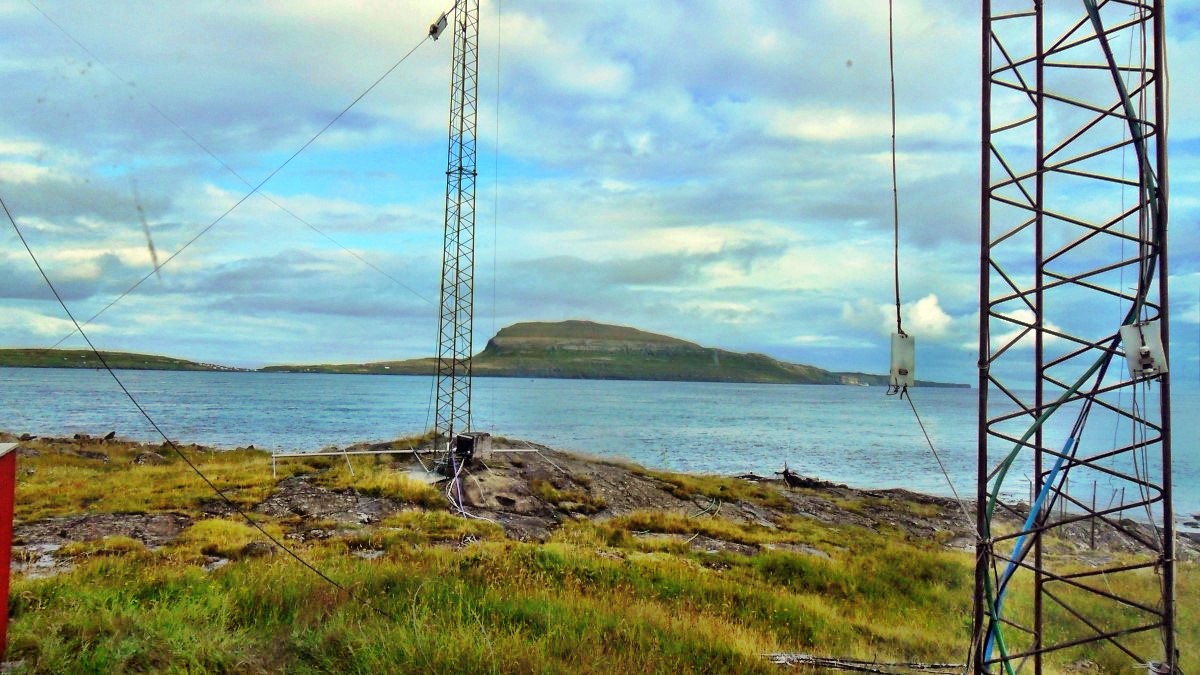
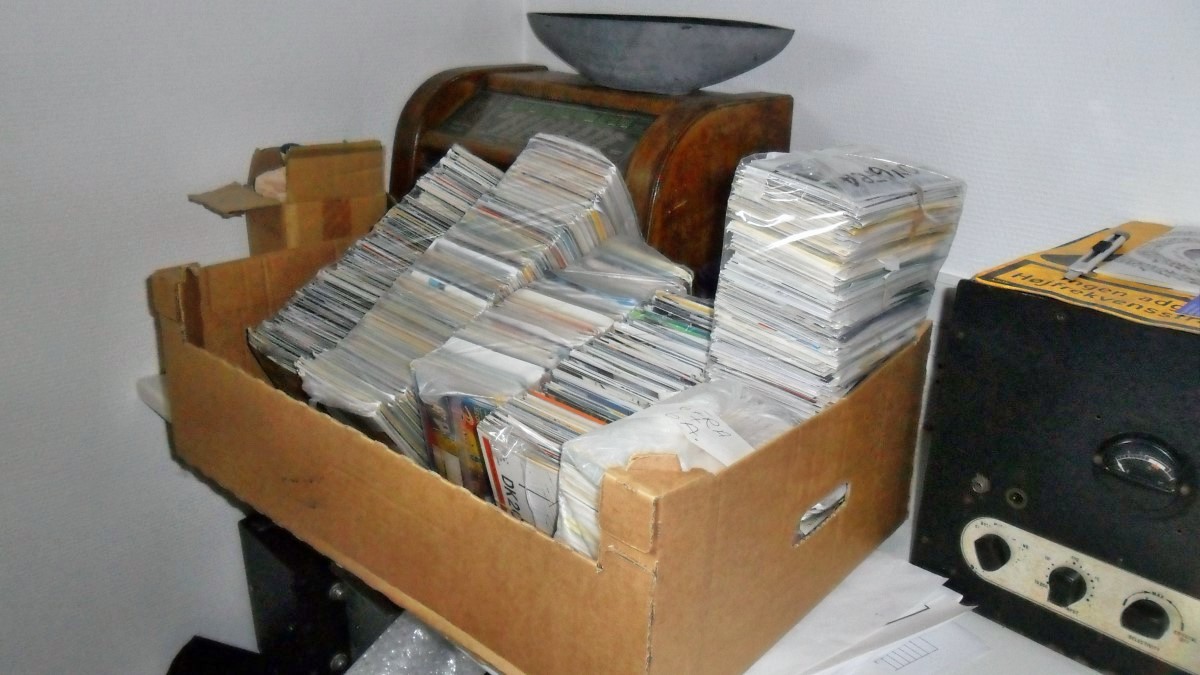
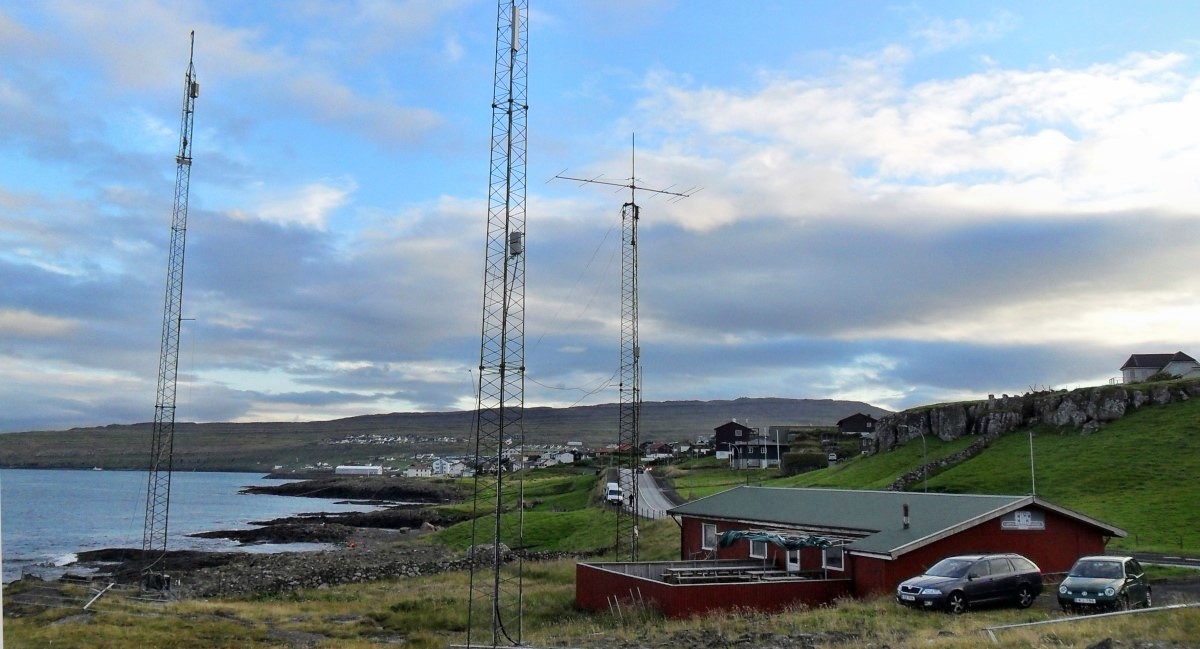
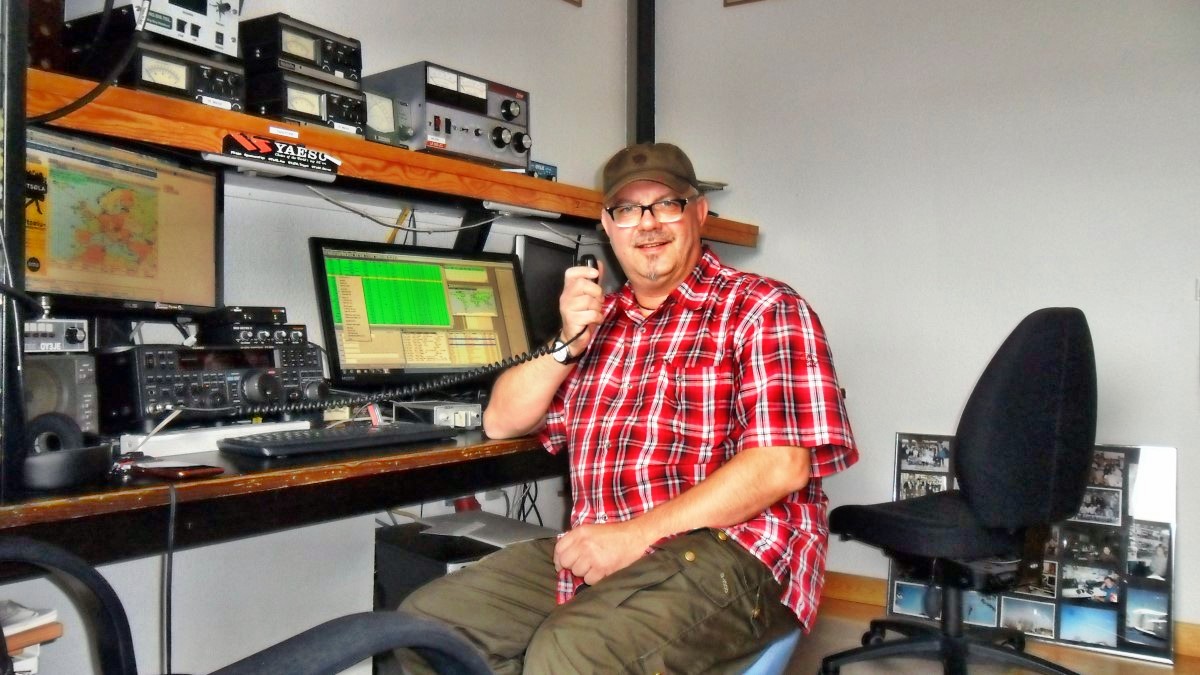
I asked at FRA, whether I could operate for a while from OY6FRA in Tórshavn. Luckily Jan, OY3JE and Karstin, OY1DZ, found some time for a meeting and showed me their well equipped clubstation with two HF working places. Also the APRS station for Faroe Islands is running here. We drunk coffee and talked about old and modern HAM Radio times. Via Facebook I asked some friends for a sked and made some SSB QSO and later CW QSO with an ETM keyer. Strange 😉 But it worked with slow CW around 20 WPM. Thanks to Jan and Karstin for their time!
 |  |
 |  |
 | 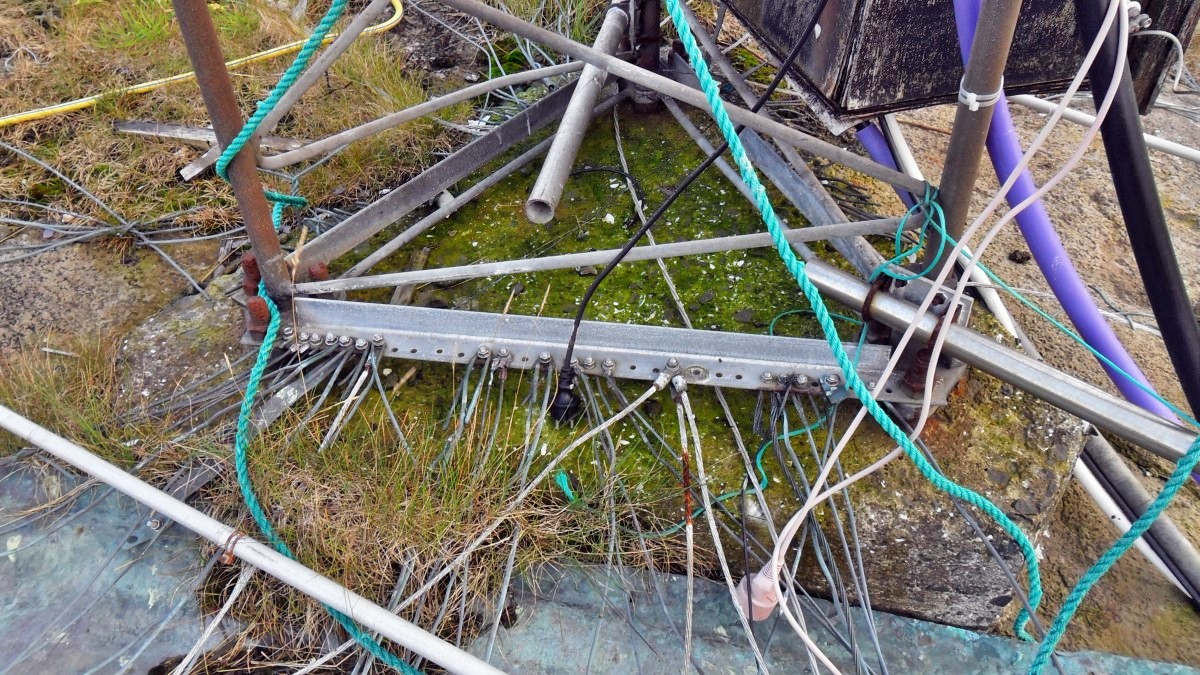 |
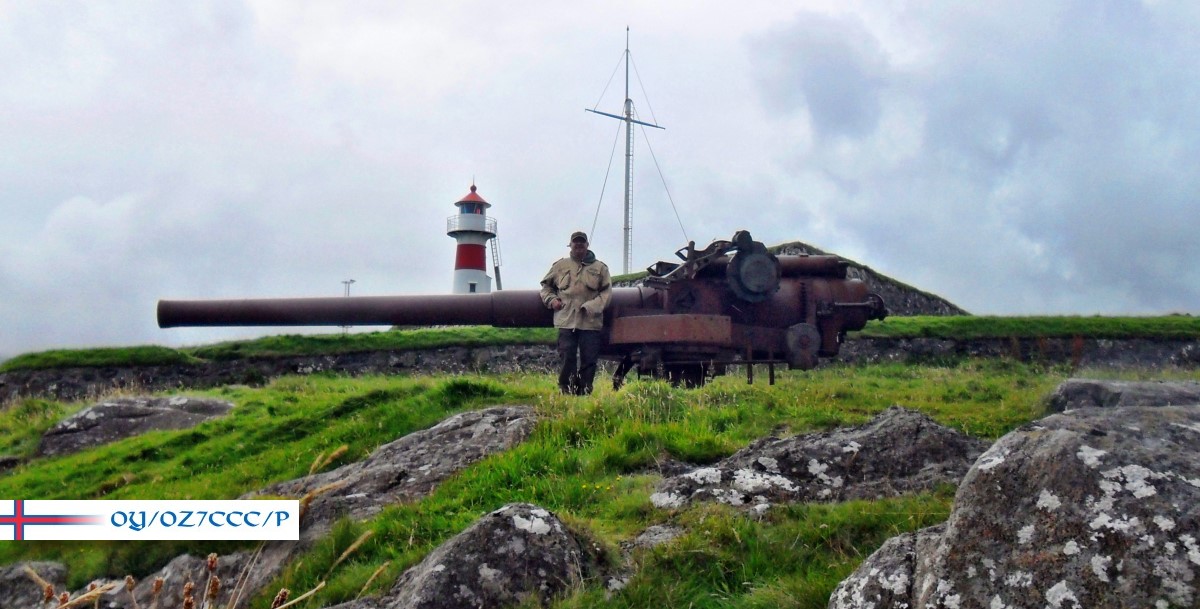
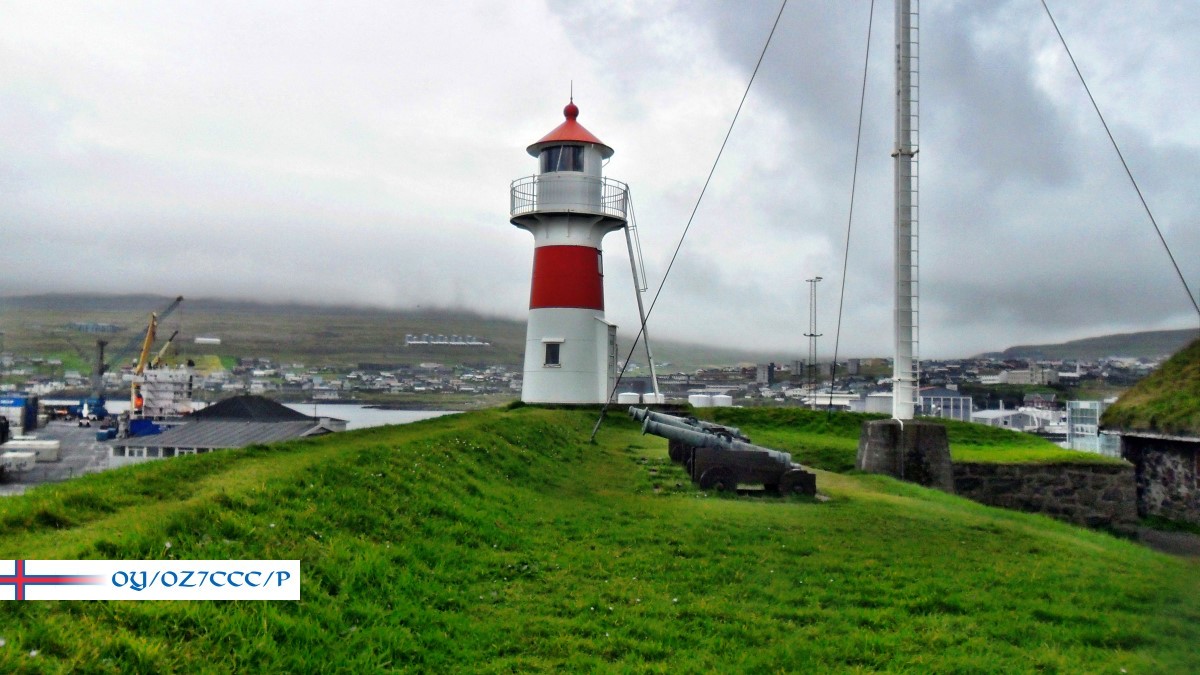
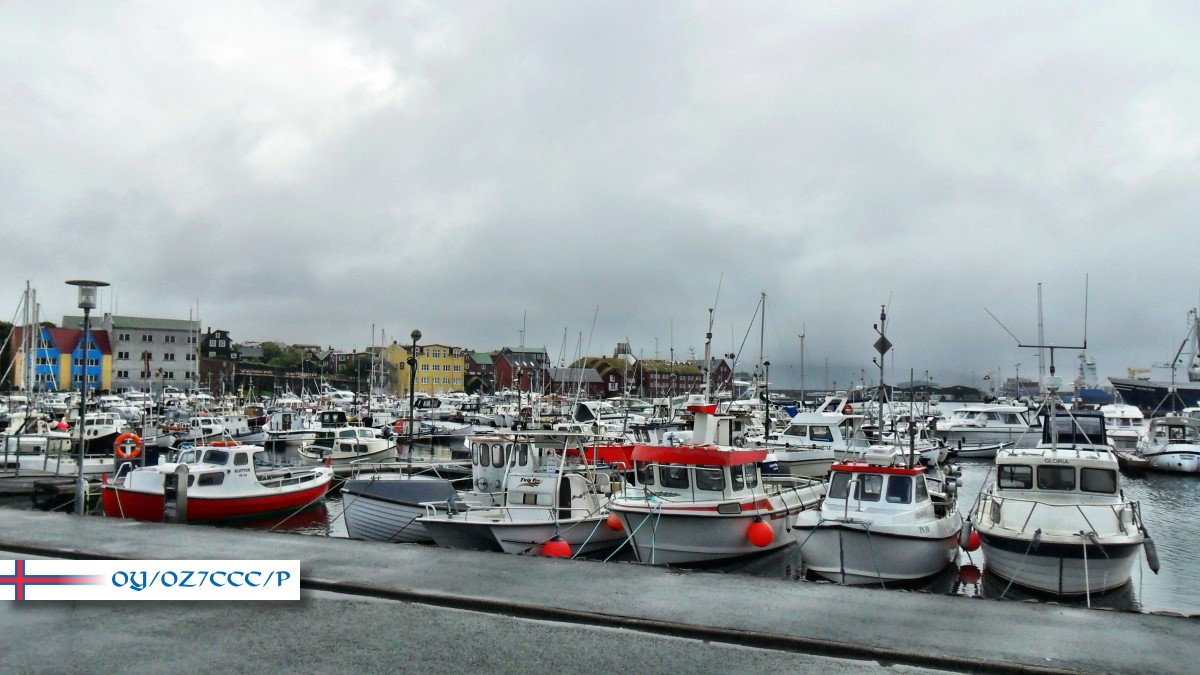
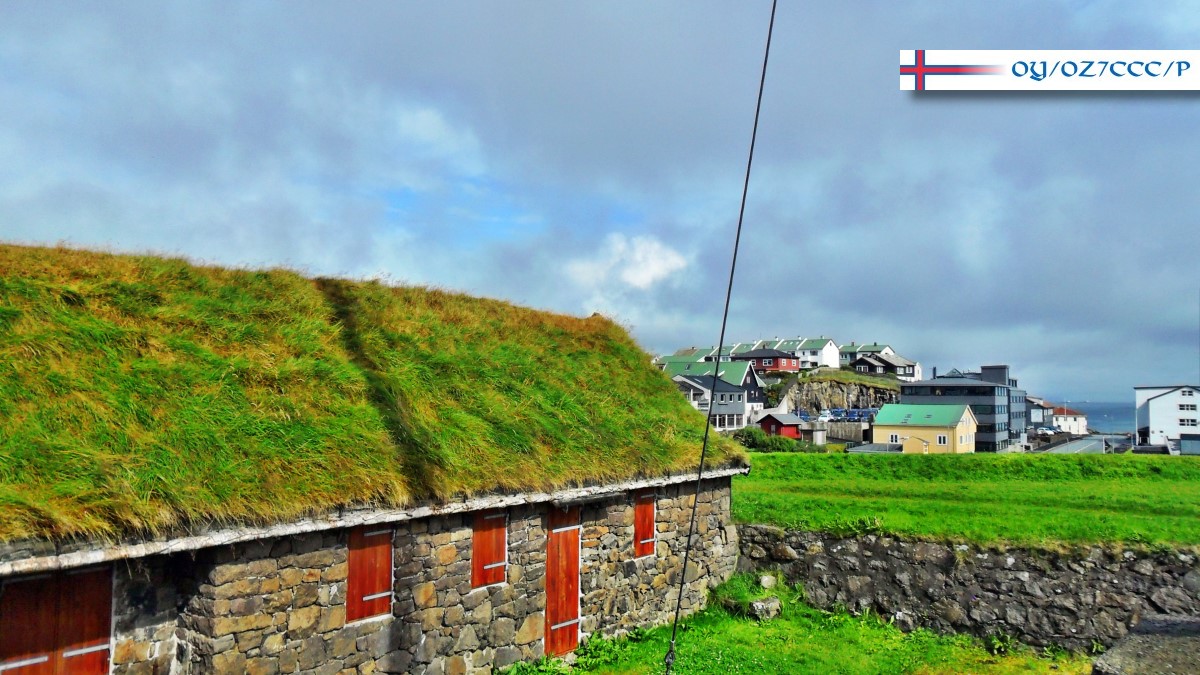
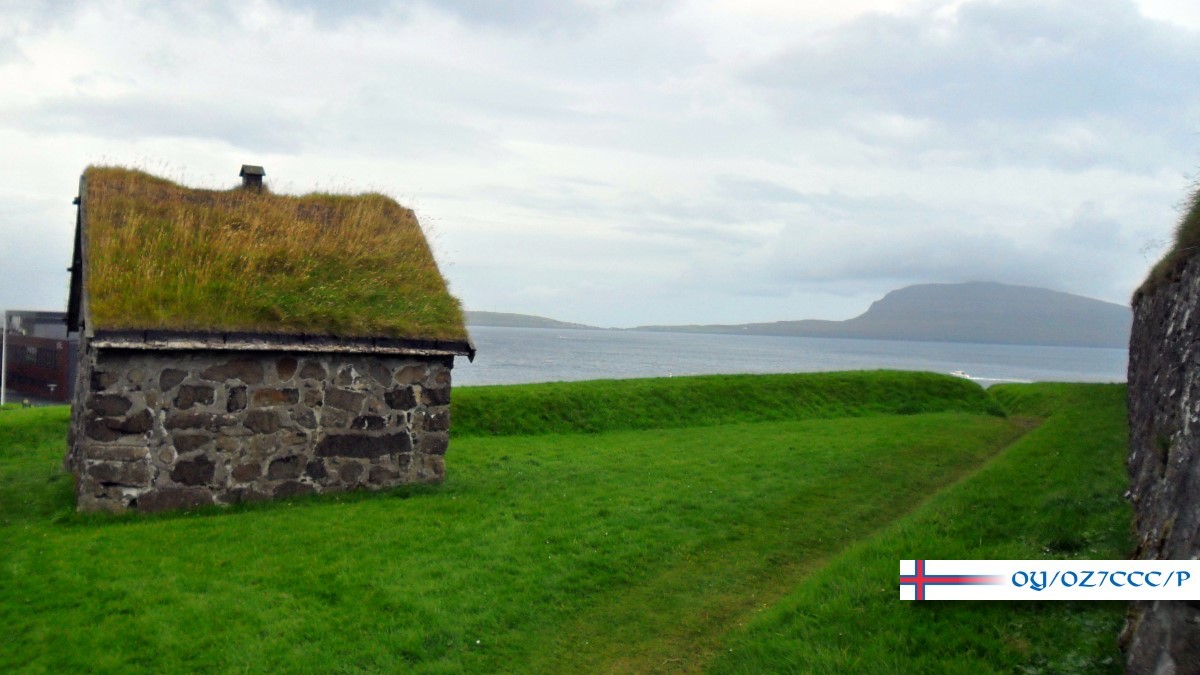
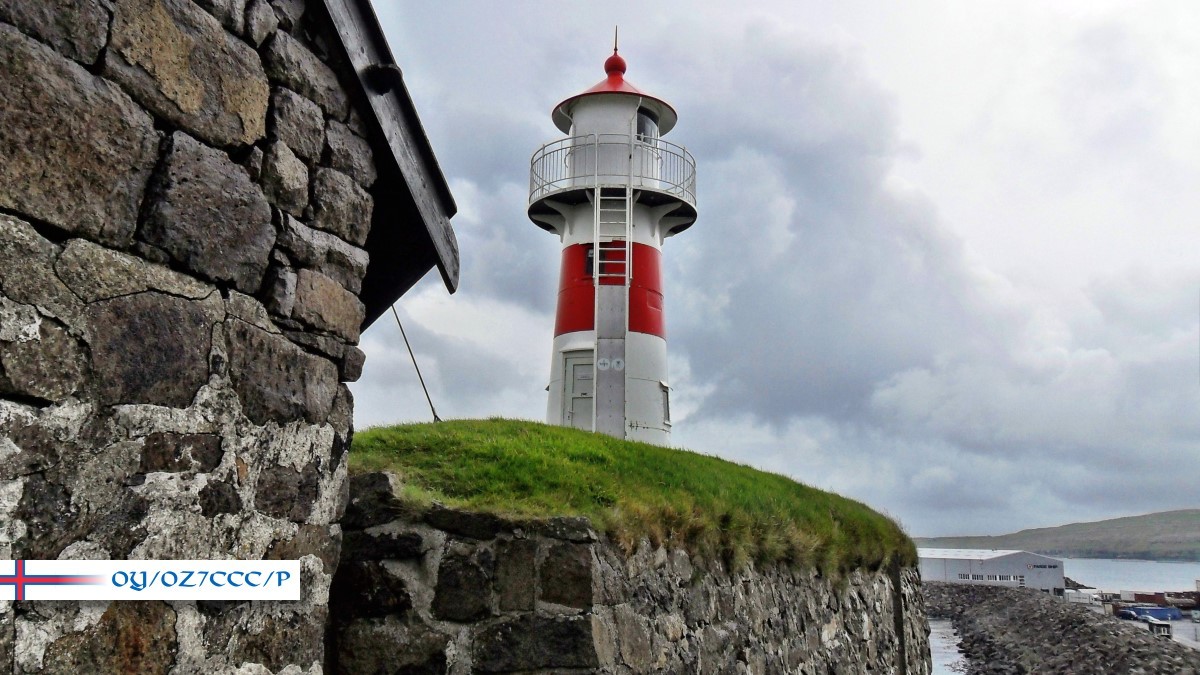
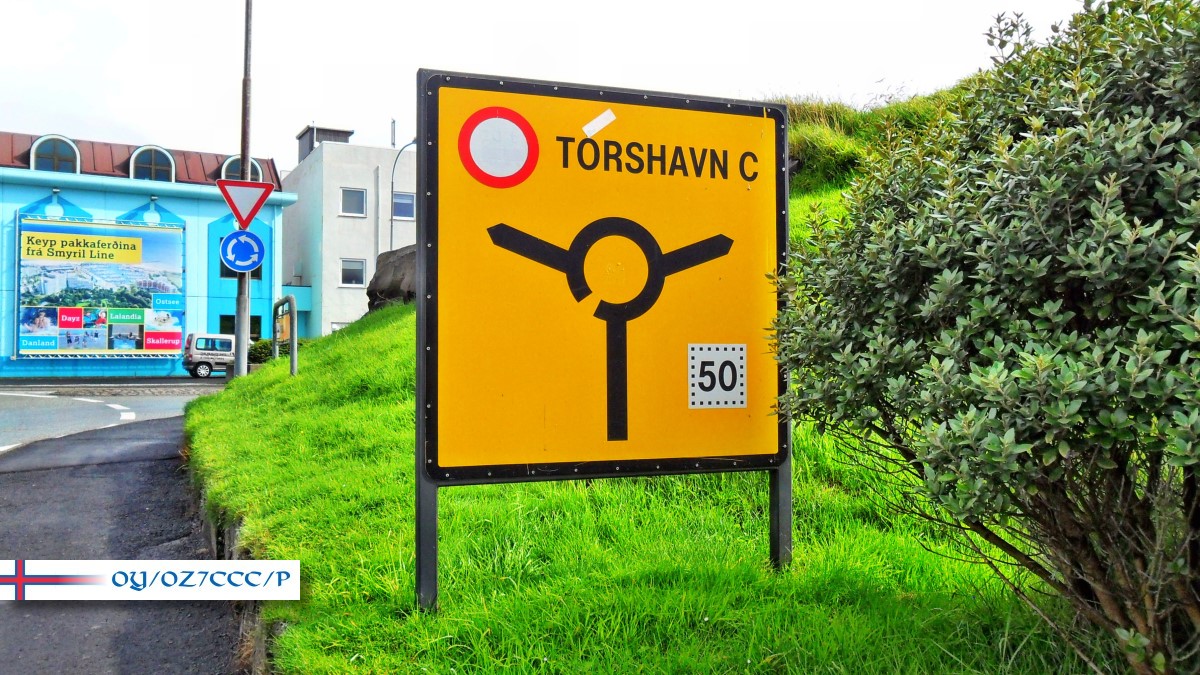
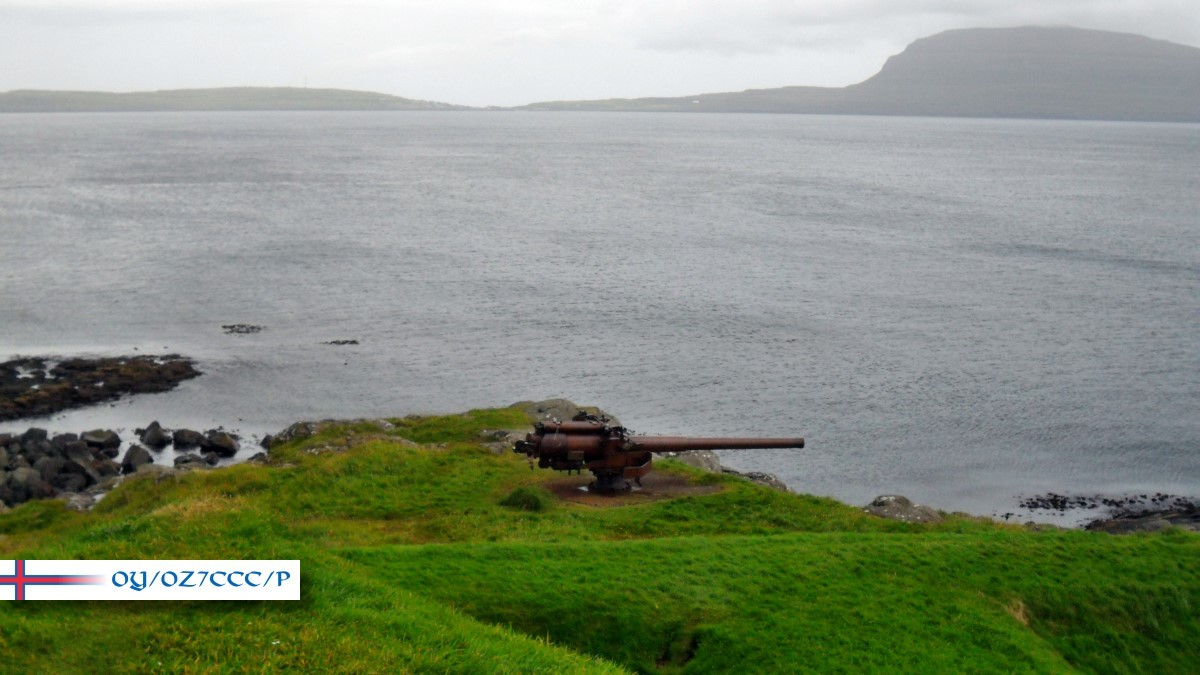
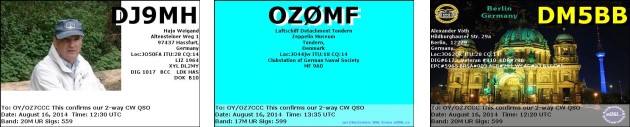
After my first ILLW 2013 at the „Altes Oberfeuer Lemwerder“ near Bremen I made some QSO from Skansin Lighthouse in Tórshavn, Faroe Islands. At this location I had several references: ILLW FO0003 for the lighthouse, WCA OY00001 for the Fortress, OZFF-007 for WWFF, IOTA EU-018 for the Island and OY Faroe Islands for DXCC 🙂 .
In contrast to last year, where I was in Germany and could reach most stations easily on 40m, I had now to operate on the best band 20m. Sadly there was running a Russian Contest what caused a lot of qrm. Some russian stations asked me to give them a serial contest number. Okay – no problem!
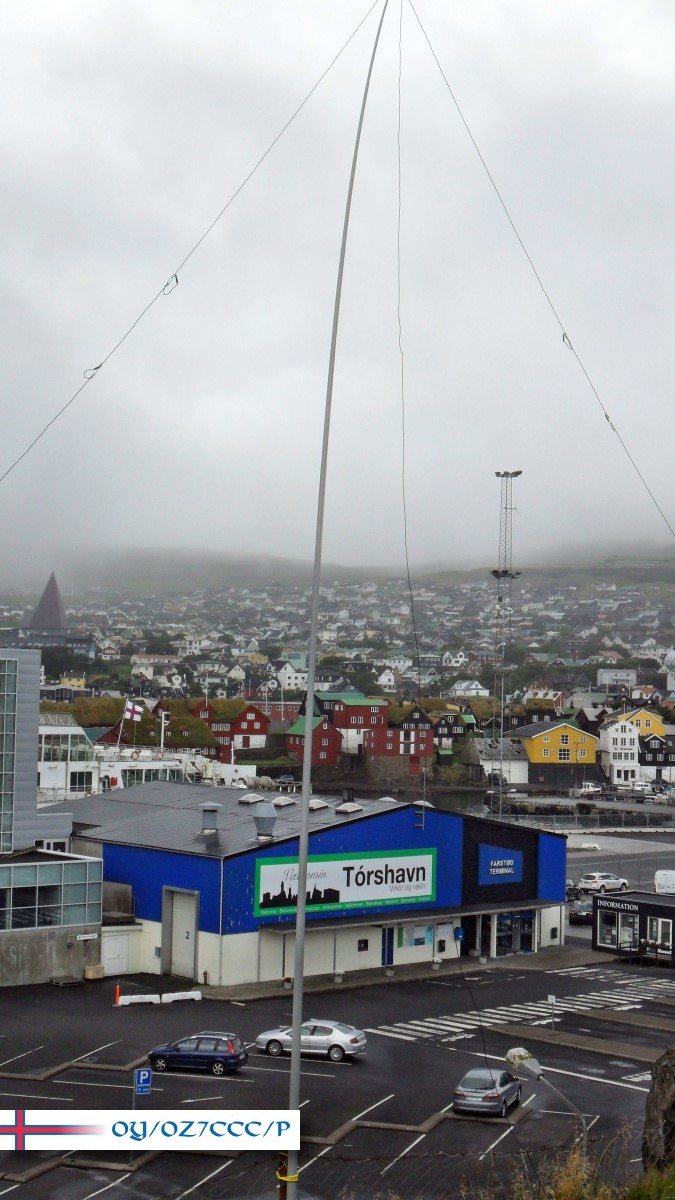
Temperatures were around 8°C (August!) and wx from very sunny to rain. My station was a linked inverted V dipole and a FT-817 transceiver with 5 watts output. All QSOs were made in CW. This weekend I used first time the DXW174 coax cable by DX-Wire. Well, this cable is a little bit fuzzy, hard to handle, because of the massive inner conductor. But it works good (okay – I had in this moment nothing to compare). The GFK mast was by DX-Wire, too. The 10m minimast, pushed together = 67cm, 1.3 kilo weight.
ILLW was again a lot of fun again this year. At 14.30h local time I made qrt because I had a date with some local HAMs at their clubstation OY6FRA.
CU next year again from another lighthouse …
|
|
| |
|
|
|
|
|
|
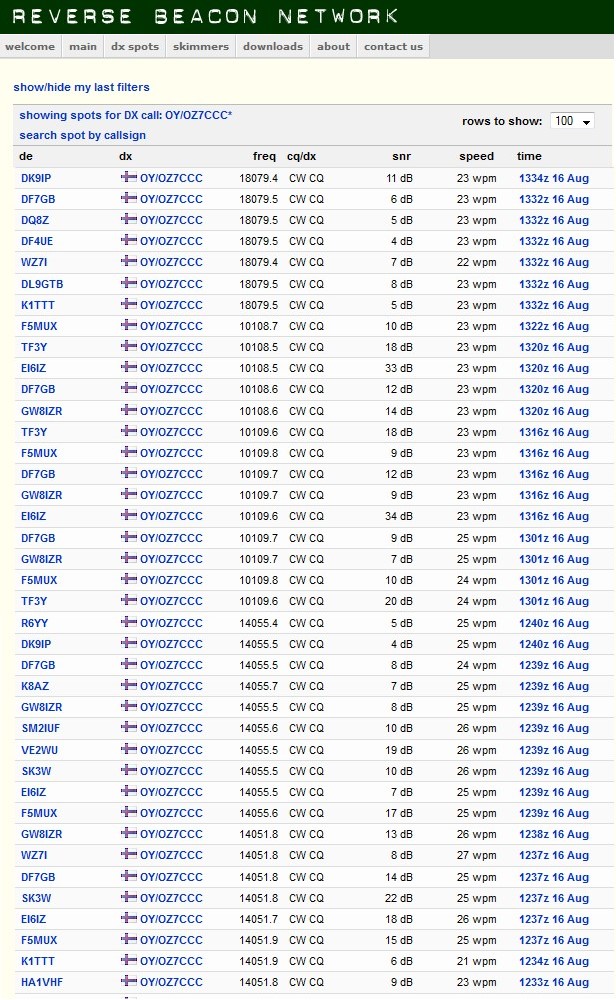
Summit-Activation #451
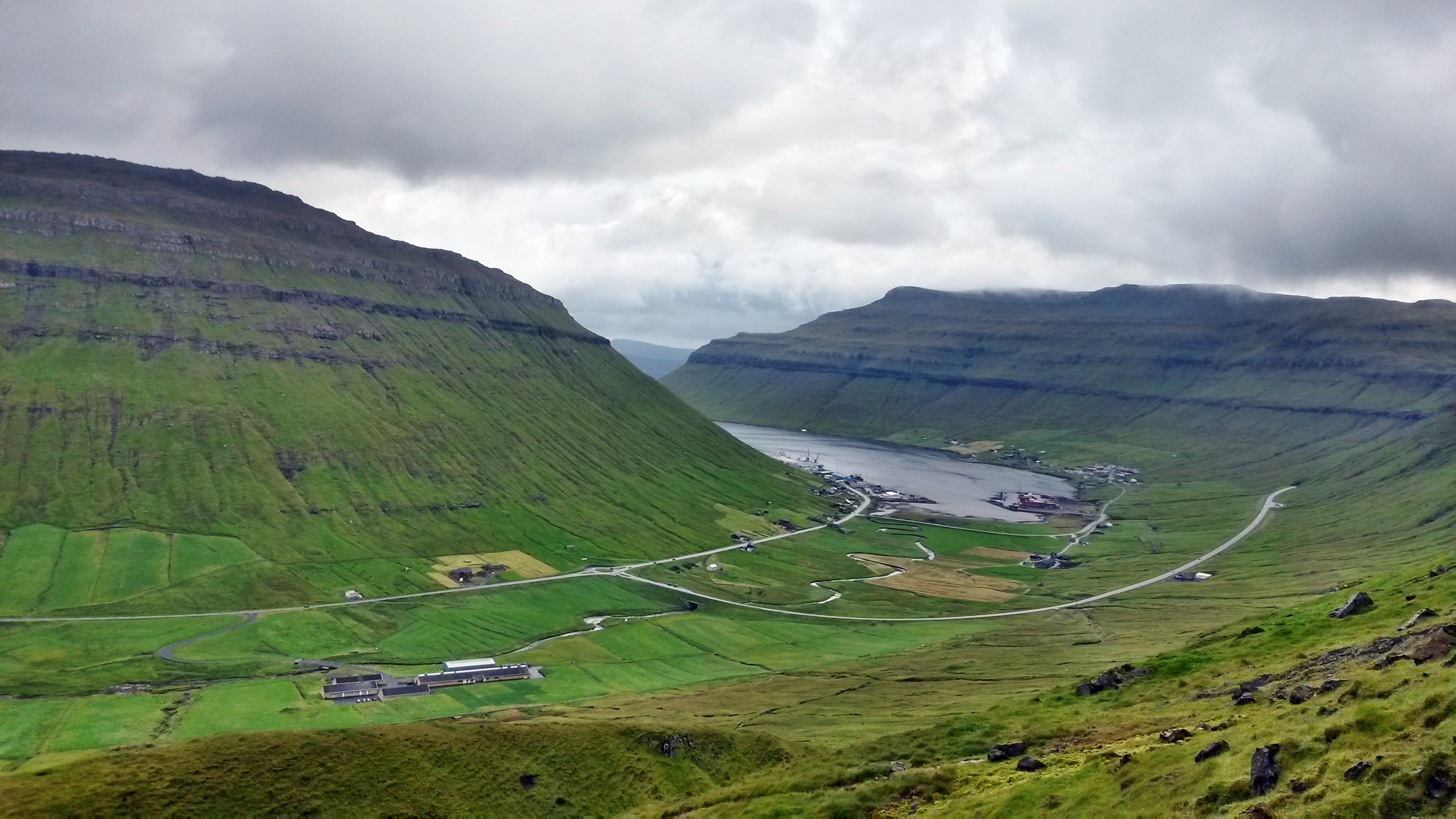
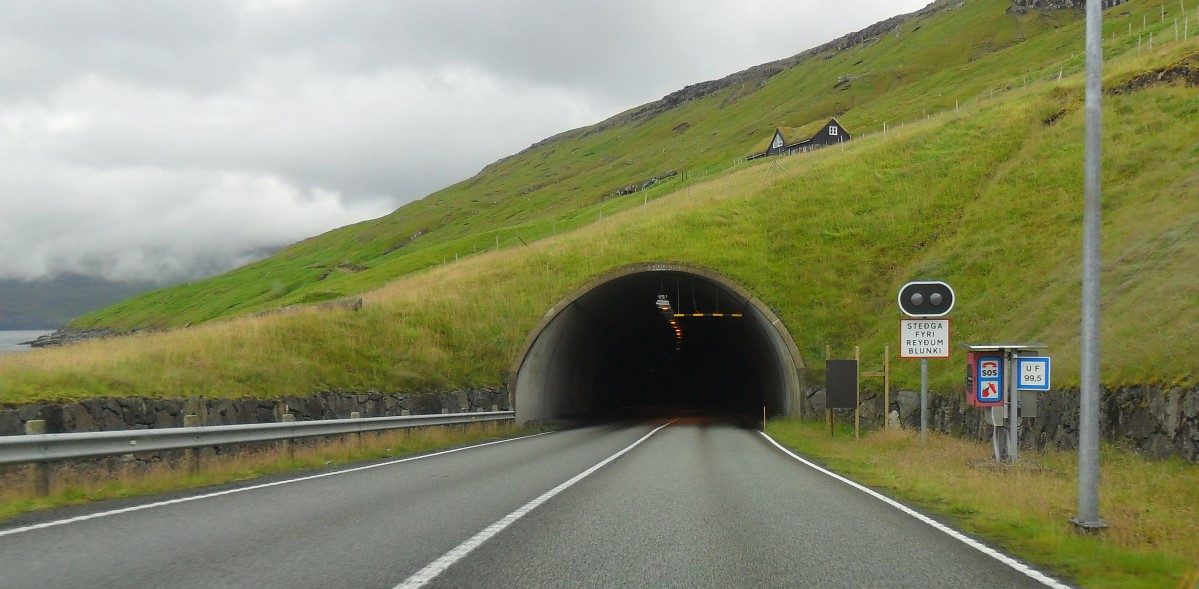
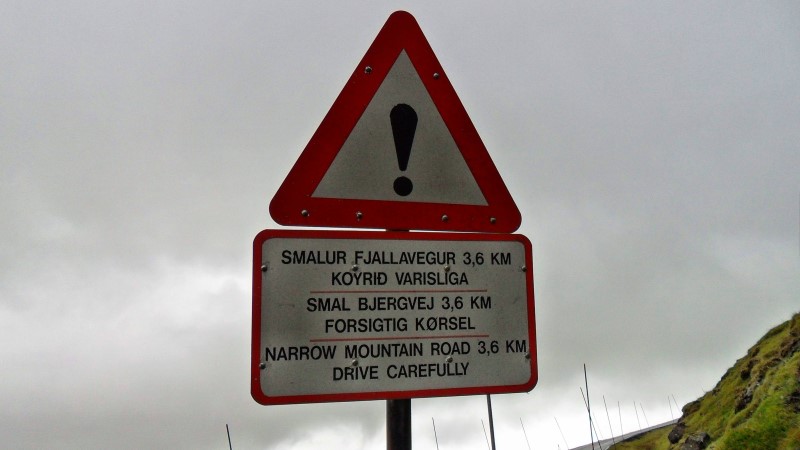
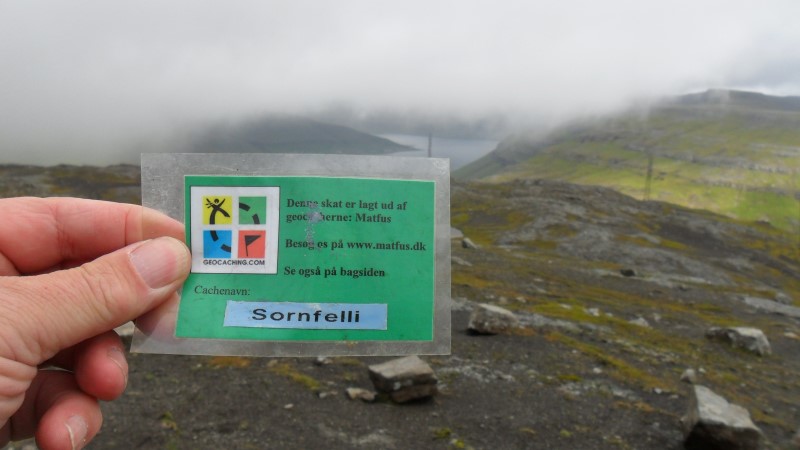
 Um den 725m hohen Berg Sornfelli zu erreichen musste ich auf eine andere Insel fahren. Die Insel Vágar ist über einen Maut-Untersee-Tunnel mit der Insel Streymoy verbunden.Die letzten drei Kilometer ist eine enge einspurige Straße, die sich den Sornfelli hochschlängelt. Die tiefhängenden Wolken erlaubten höchstens 30m Sichtweite … hoffentlich kommt mir niemand entgegen! Die Fahrt kam mir schweißtreibender vor als eine Besteigung. Um den 725m hohen Berg Sornfelli zu erreichen musste ich auf eine andere Insel fahren. Die Insel Vágar ist über einen Maut-Untersee-Tunnel mit der Insel Streymoy verbunden.Die letzten drei Kilometer ist eine enge einspurige Straße, die sich den Sornfelli hochschlängelt. Die tiefhängenden Wolken erlaubten höchstens 30m Sichtweite … hoffentlich kommt mir niemand entgegen! Die Fahrt kam mir schweißtreibender vor als eine Besteigung. |  To reach the 725m high Sornfelli mountain I had to go from Vágar Island to Streymoy Island. These two islands are connected by a 6km long subsea tunnel.The last three kilometers at Sornfelli is a single track road. Because the clouds were very low today, it was exhausting to drive up the mountain. To reach the 725m high Sornfelli mountain I had to go from Vágar Island to Streymoy Island. These two islands are connected by a 6km long subsea tunnel.The last three kilometers at Sornfelli is a single track road. Because the clouds were very low today, it was exhausting to drive up the mountain. |

The sight were max 20 to 30m. So sadly I have nothing seen, where I was.
The antenna was a linked dipole with a FT-817 ND transceiver at a 10m GFK mast. The temperature was about 7°C with light rain. No conditions for a long stay.
 |  |  |
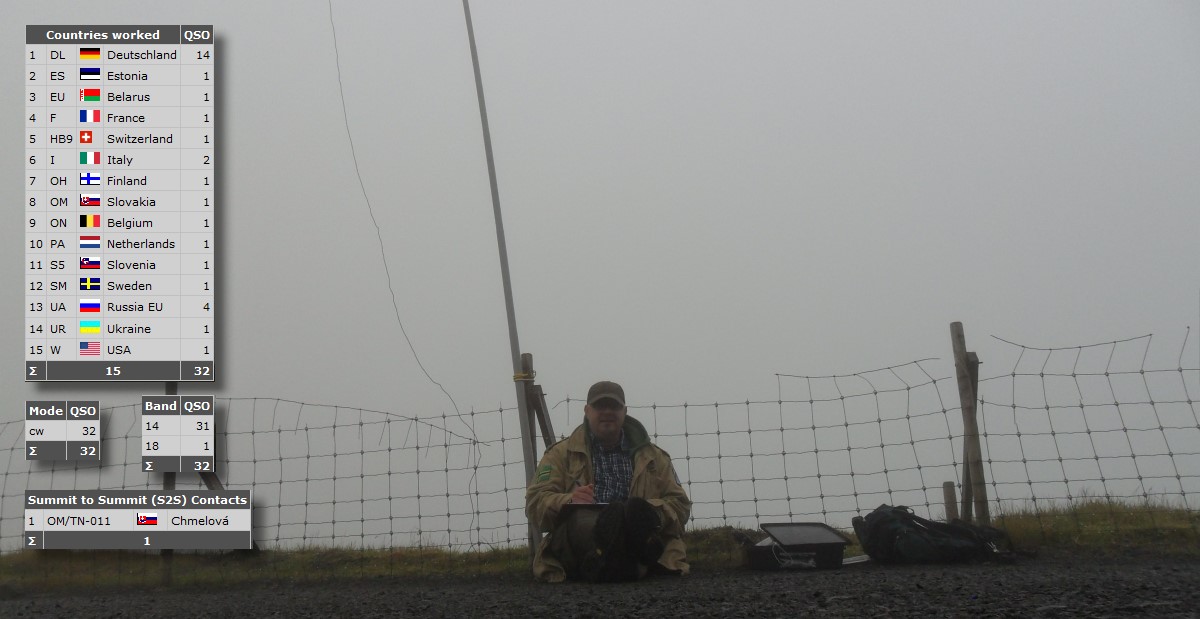
| Ich begann auf 20m mit dem Funkbetrieb. Sehr schnell waren 31 Stationen im Log. Dann probierte ich 30m und 40m, aber der gleiche Effekt wie diesen Sommer in Schweden und Norwegen: kein QSO. Auf 18MHz war einiges los, es meldete sich aber nur eine Station bis der Regen so heftig wurde, dass ich abbrechen musste. | I started CQing on 20m. Very quick were 31 stations in the log. A qsy to 30 and 40m brought no qso. The same effect like in Sweden and Norway this summer. On 18 MHz I reached one station. Then the heavy rain forced me to make qrt. |
Summit-Activation #448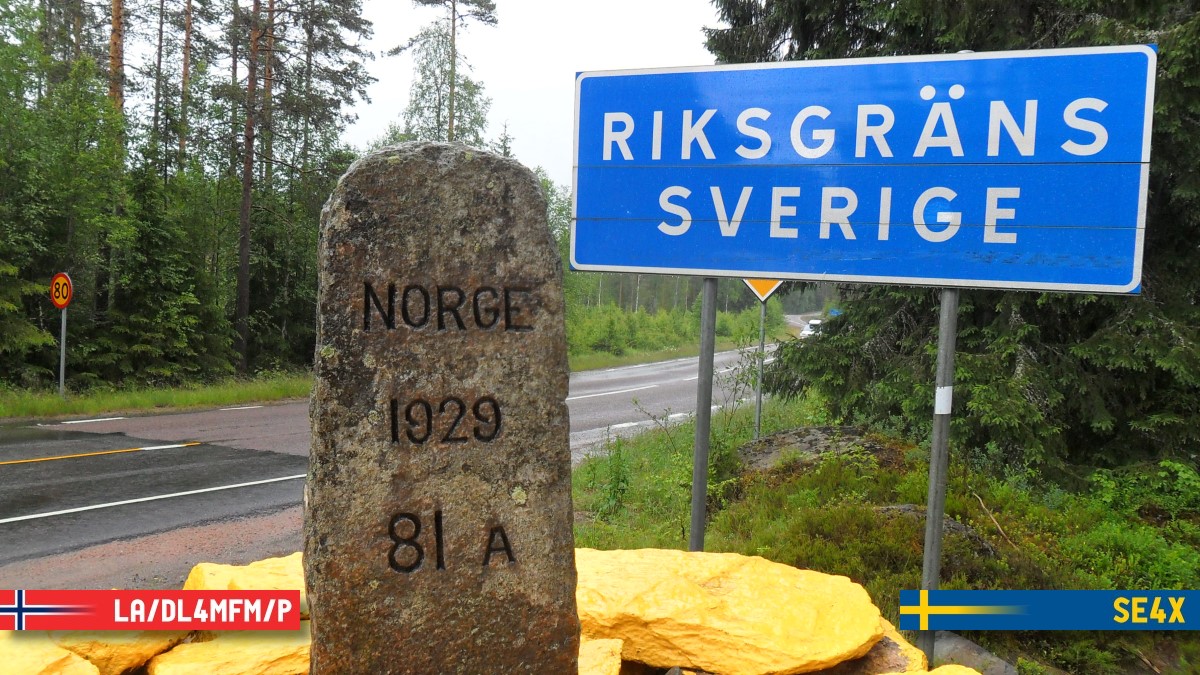
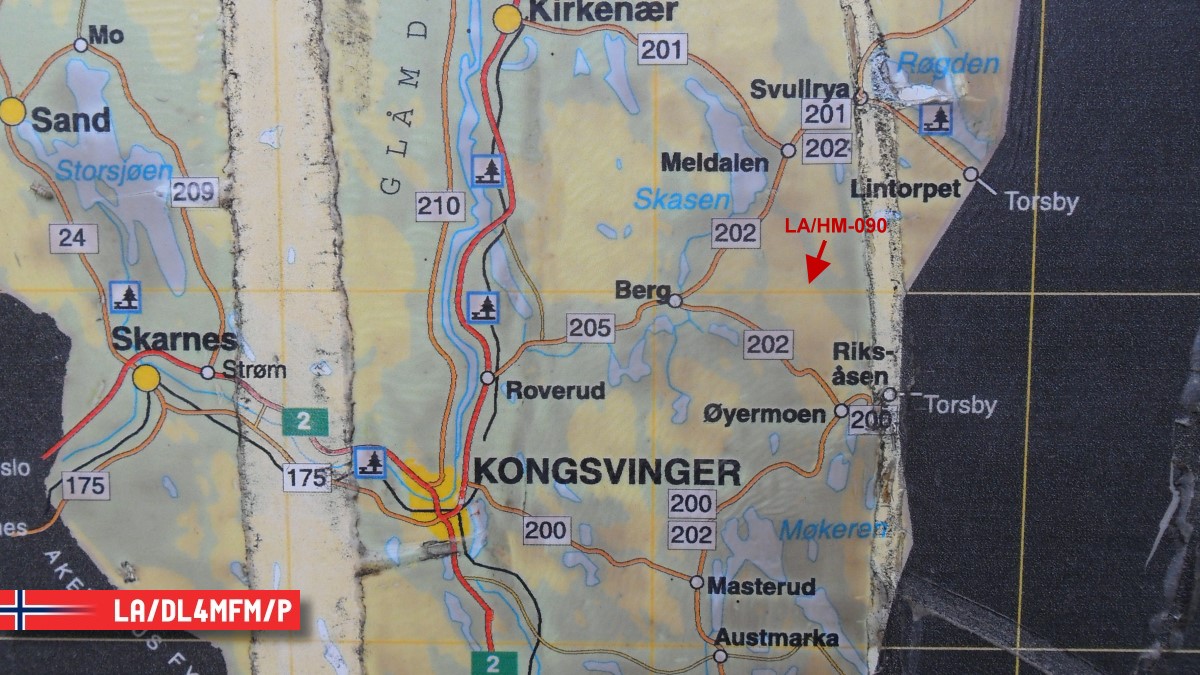
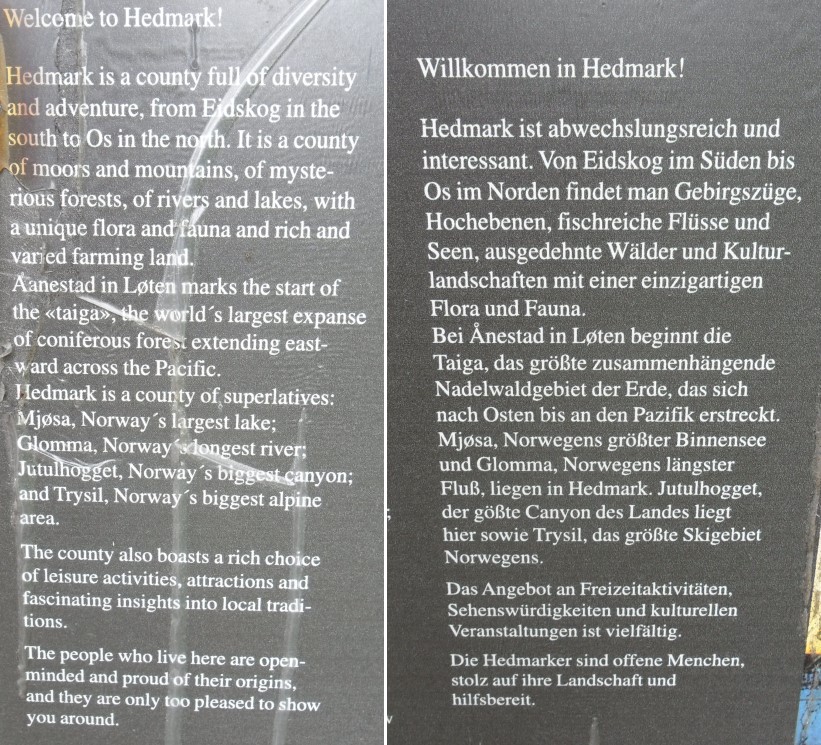
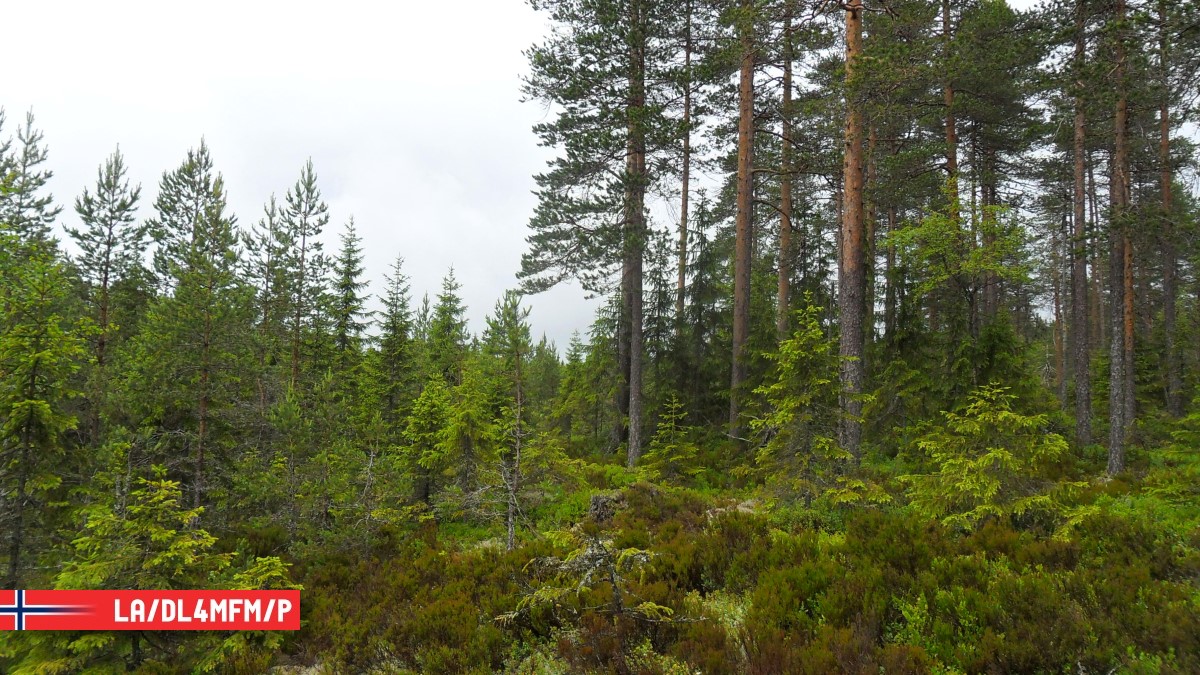
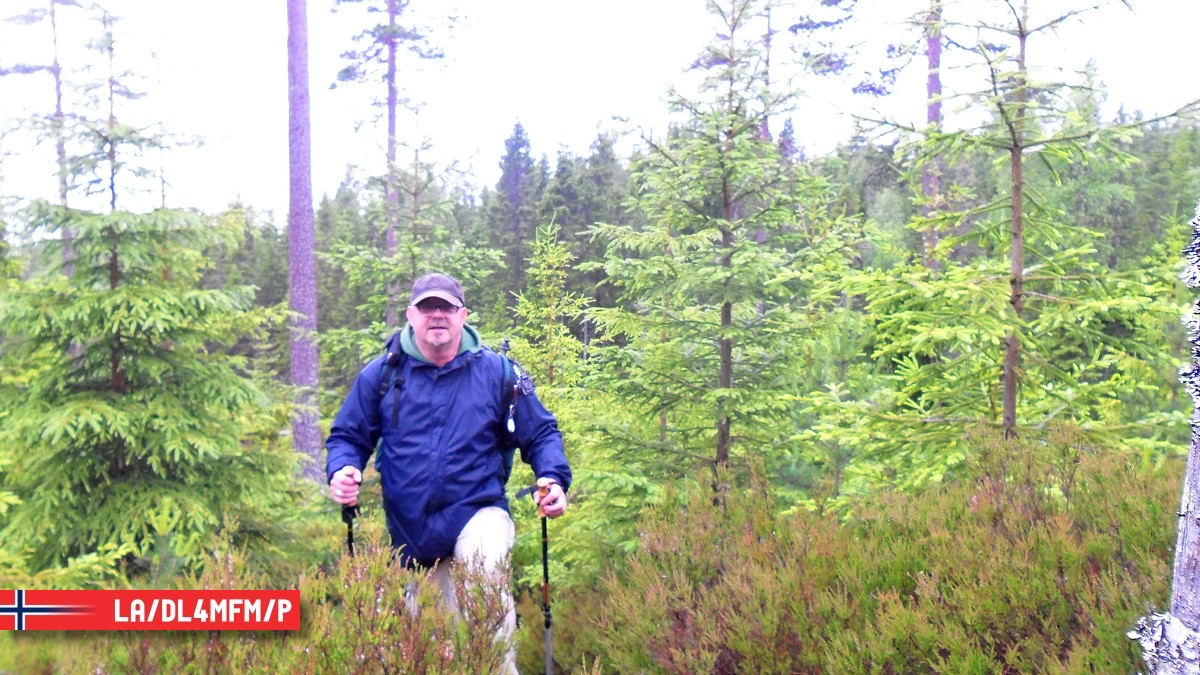
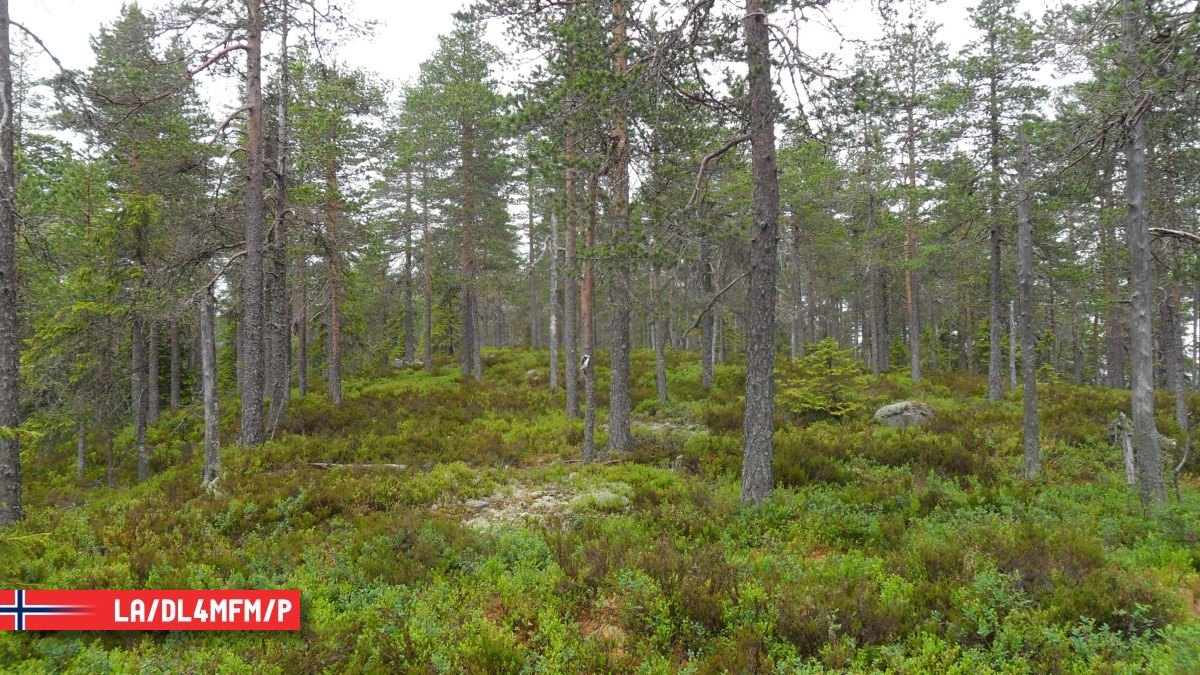
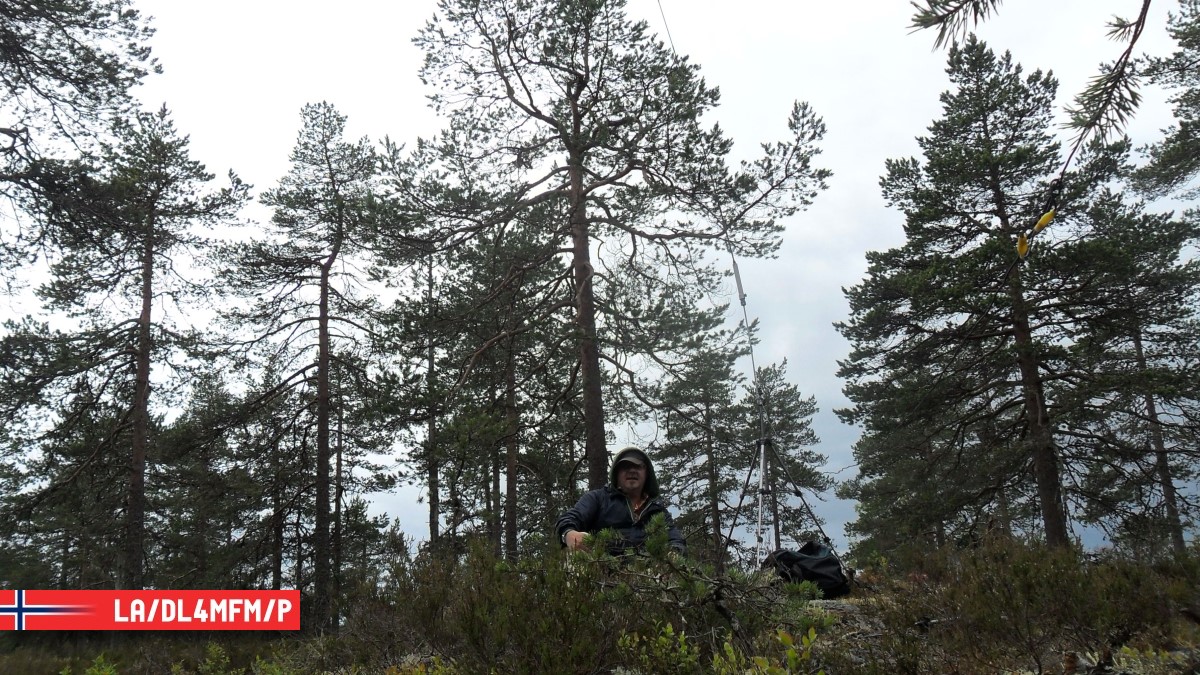
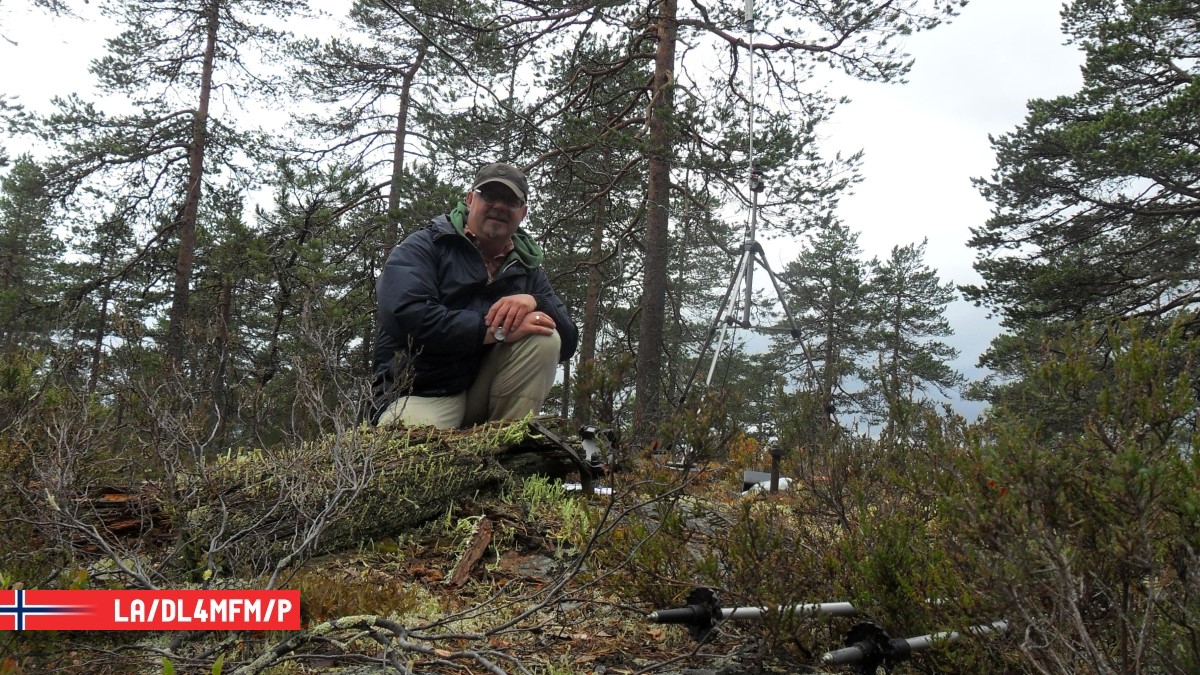
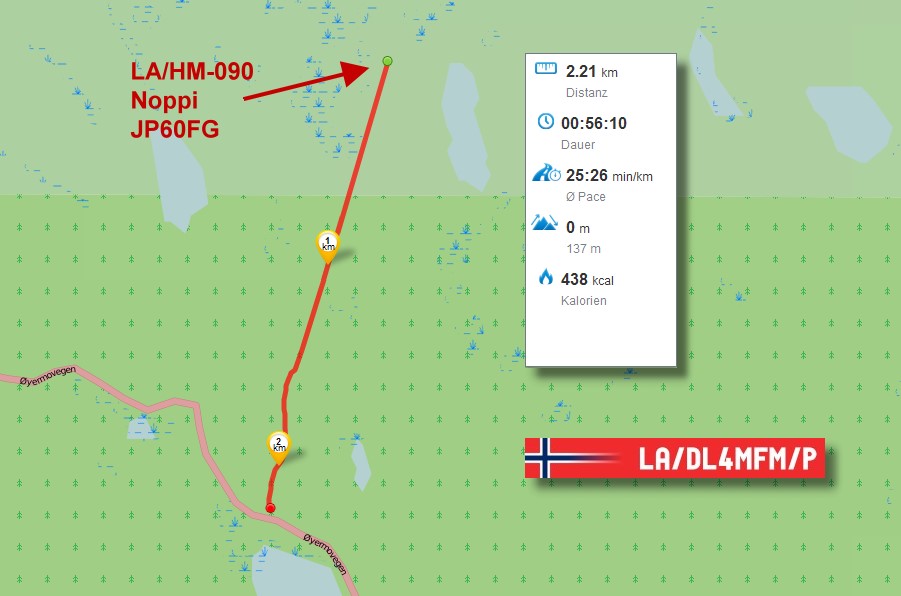
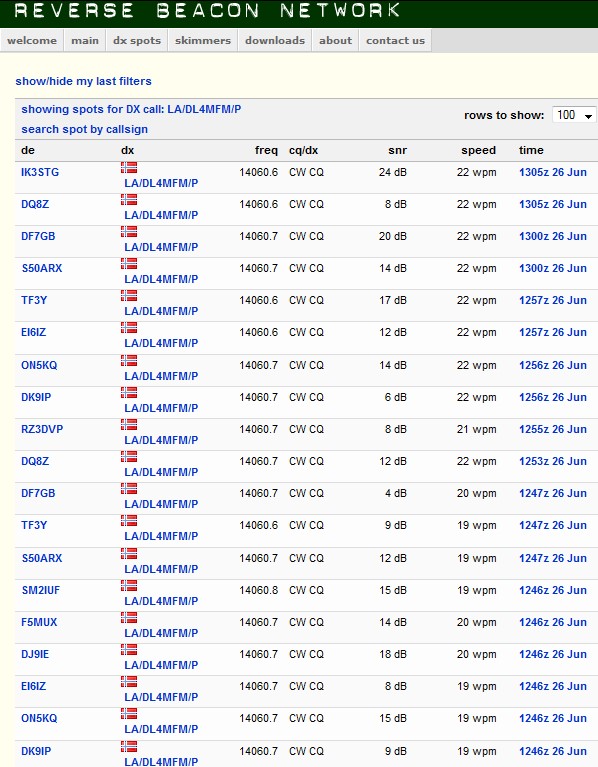
Today’s activation from Norway (LA/DL4MFM/p on LA/HM-090 Noppi). WX was rainy and the way were most time through absolute wilderness, bog, boulder fields, mosquitos, elk poo. Exhausting. 1 hour for 2km (in Germany 20 Minutes). When I reached the summit I set up the station with FT-817, MP-1 coil, foldet radiator, „linked“ radial and made some 15 QSOs on 20m, then heavy rain and a thunderstorm said: make QRT and go back to the car (a nice S2S QSO with Bernd DL2DXA and also Mike GW0DSP are in the log )
 |  |
 |  |
 |  |
 |  |
 |  |
Summit-Activation #447

Thanks Roger, F5LKW, for this nice video.
 |  |
Summit-Activation #446
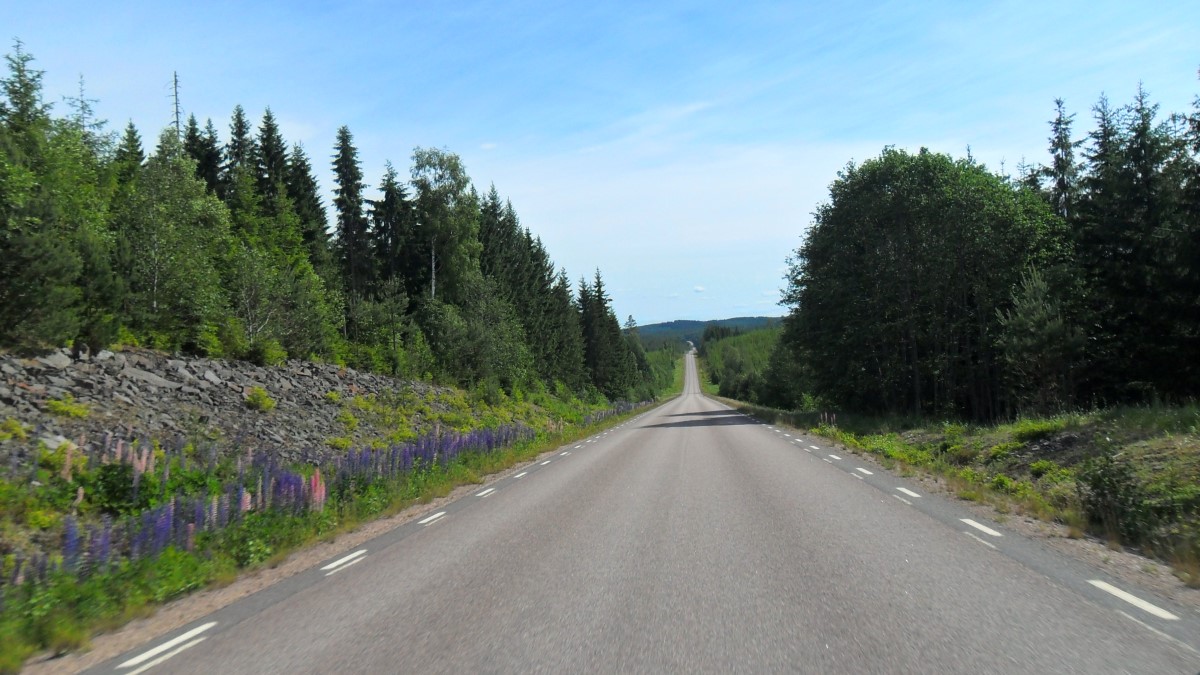
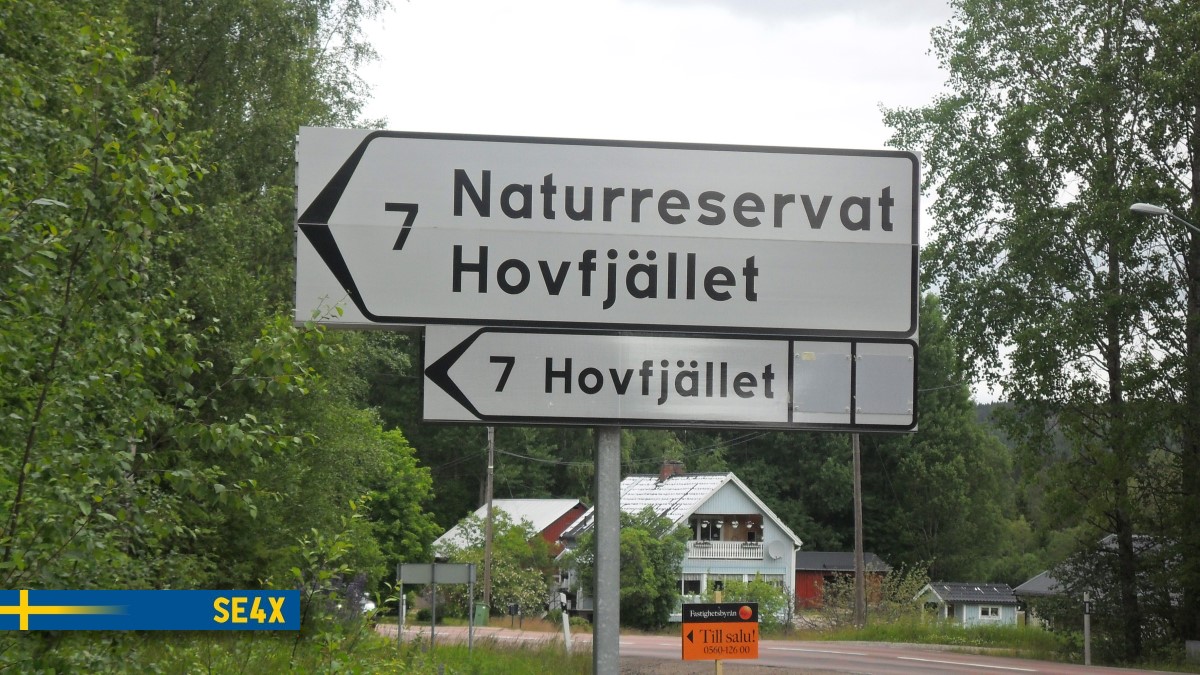
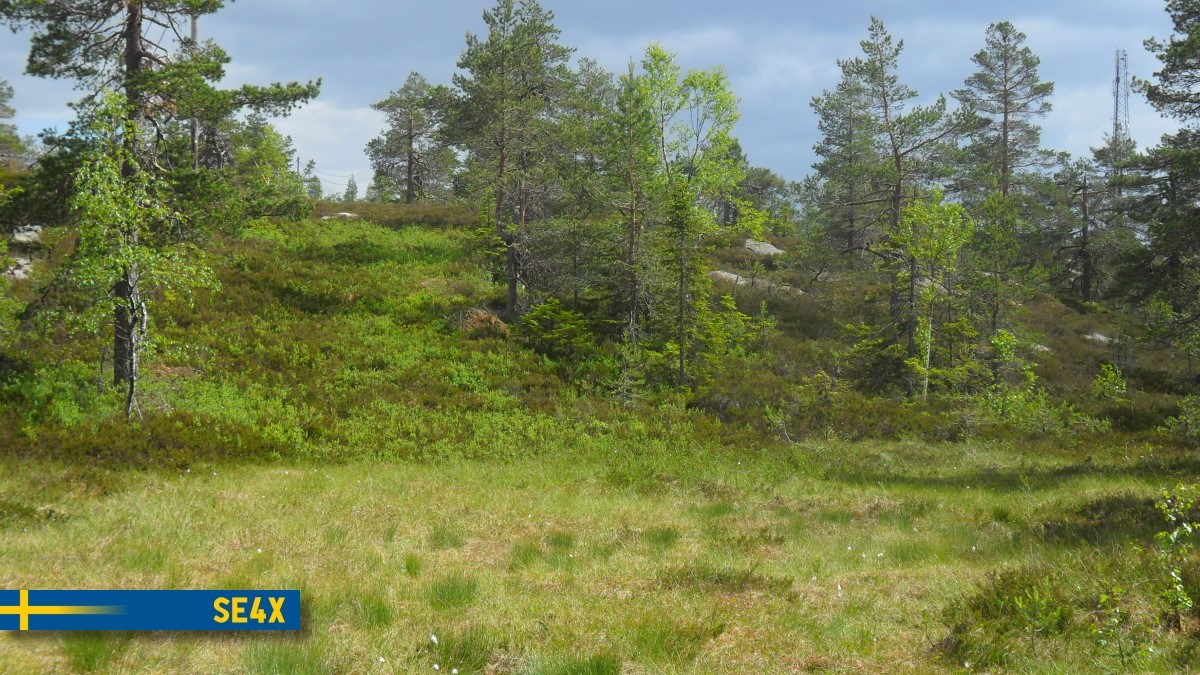
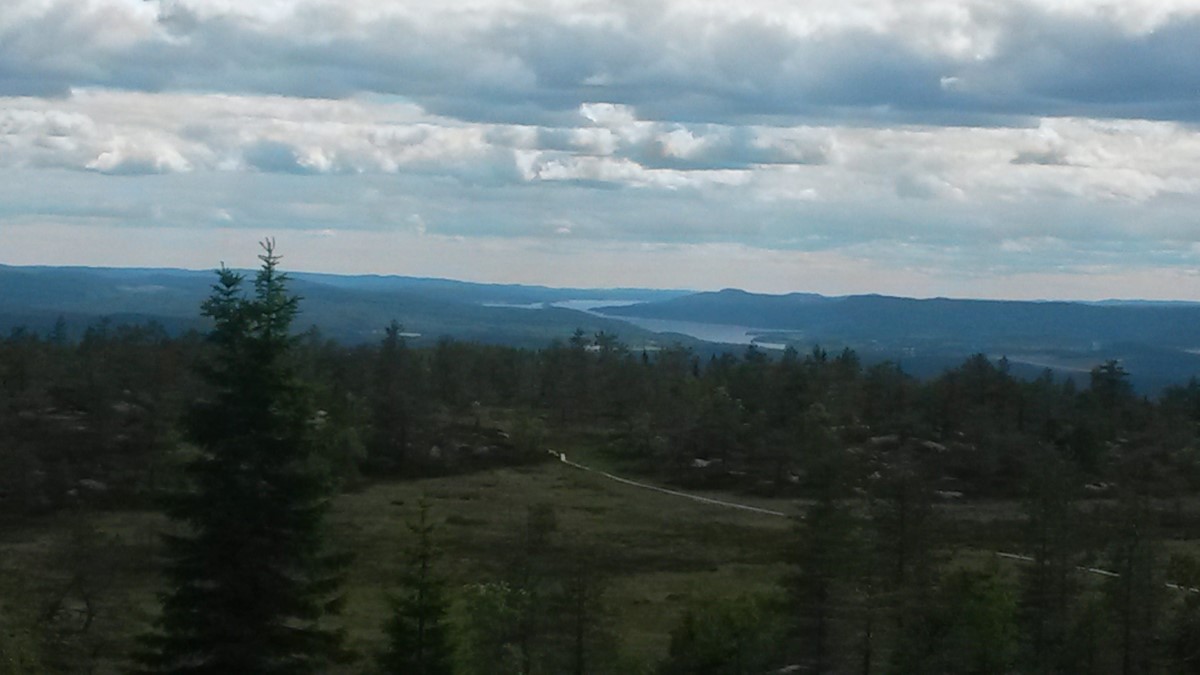
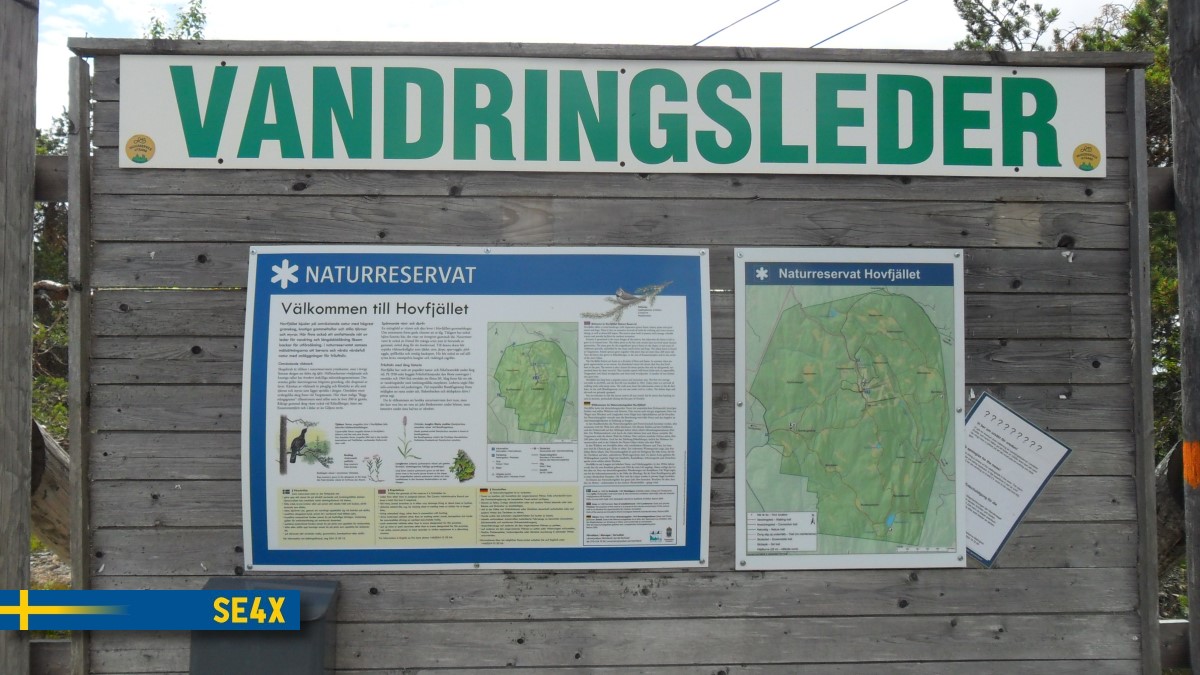
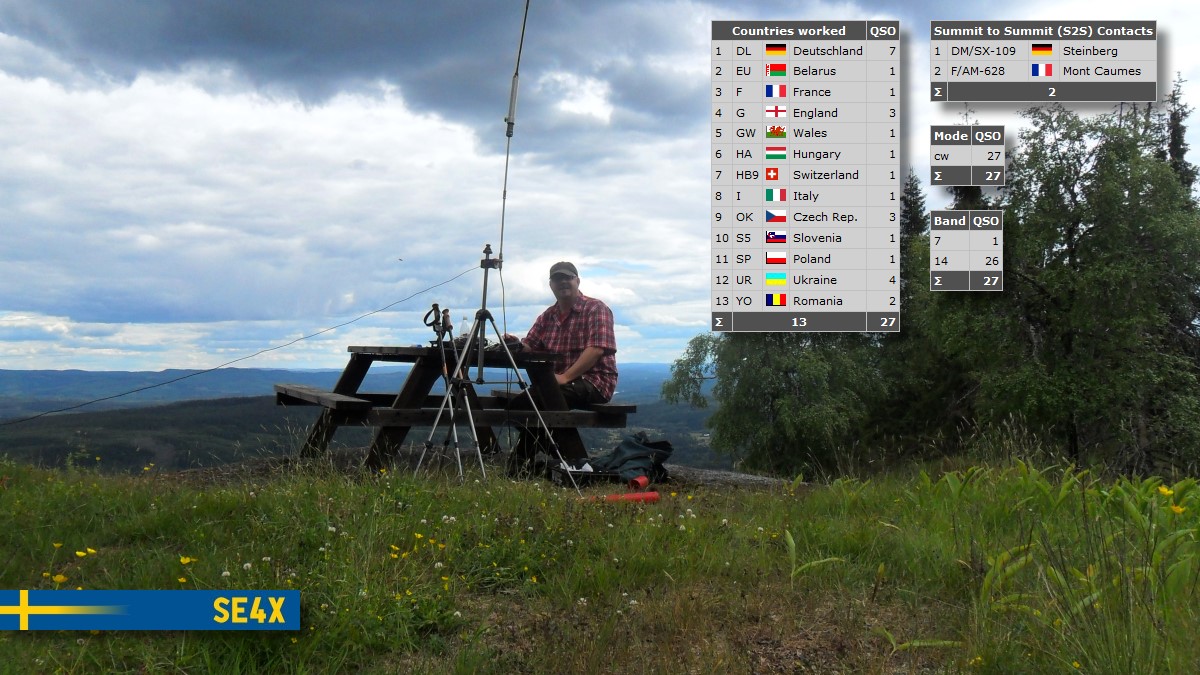
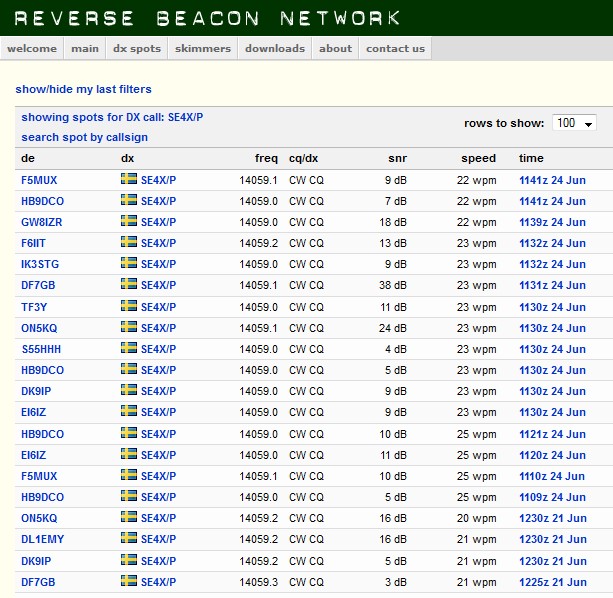
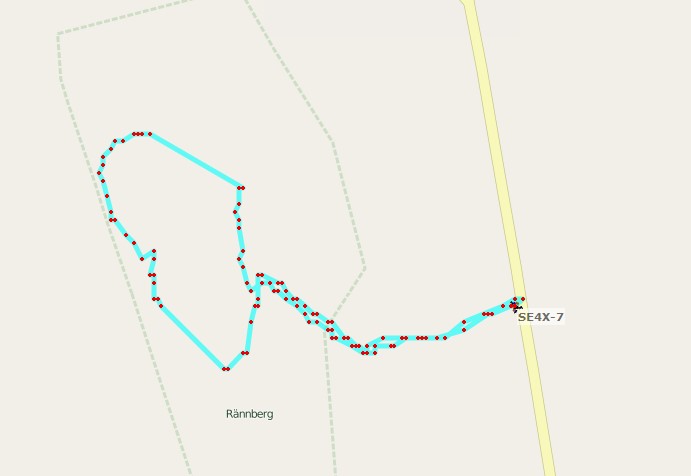
| Aktivierung von SM/VL-004 Hovfjället (SMFF-1704). Ich hoffte, wenigstens 4 QSOs ins Log zu bekommen; denn auf 40m und 30m war in den letzten Tagen nicht viel zu hören. Andere Bergaktivierungen kamen hier nur sehr schwach an. Auf 20m war auch nicht viel los, schien mir aber am ehesten geeignet als erstes Band zu versuchen.Direkt nach meinem ersten CQ meldete sich Dom, F6EPO, und wir hielten ein längeres QSO. Offensichtlich landete ein RBN Spot im SOTAwatch und daraufhin kamen 21 Stationen in das Log, mit dabei zwei S2S (Summit to Summit) Verbindungen mit schweizer Stationen. Das hat sich doch gelohnt … die XYL wartete am Auto und dann gab es Kaffe og Kaka … |  Activation from SM/VL-004 Hovfjället (SMFF-1704). I hoped for 4 QSO for qualifing this reference, because I used only 5 watts with the MP-1 antenna. Last days I checked the bands and 40 + 30m signals were weak weak weak and 20m nearly dead.So I decided to begin on 14 MHz and got surprisingly a good start. 21 QSO were in the log when I made qrt after 1/2 hour. All on 14 MHz incl. two S2S QSOs with Switzerland. Nice! Activation from SM/VL-004 Hovfjället (SMFF-1704). I hoped for 4 QSO for qualifing this reference, because I used only 5 watts with the MP-1 antenna. Last days I checked the bands and 40 + 30m signals were weak weak weak and 20m nearly dead.So I decided to begin on 14 MHz and got surprisingly a good start. 21 QSO were in the log when I made qrt after 1/2 hour. All on 14 MHz incl. two S2S QSOs with Switzerland. Nice!After this activation XYL Bettina and me visited a nice swedish cafe. |
|
|
|
|
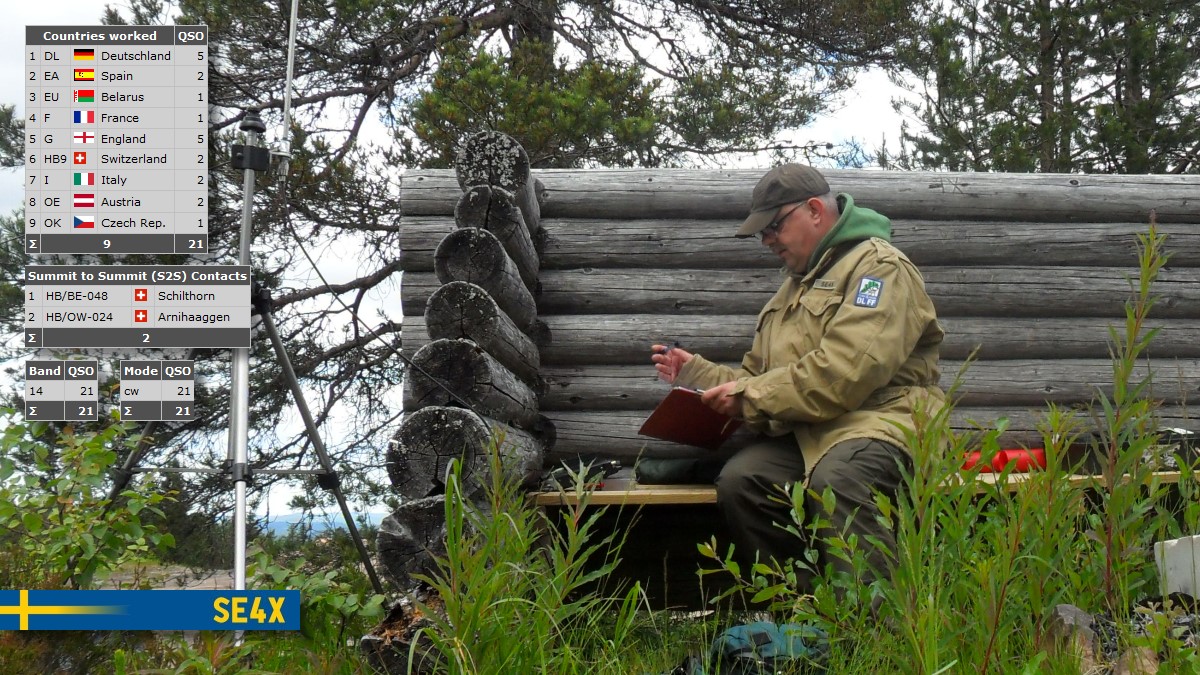
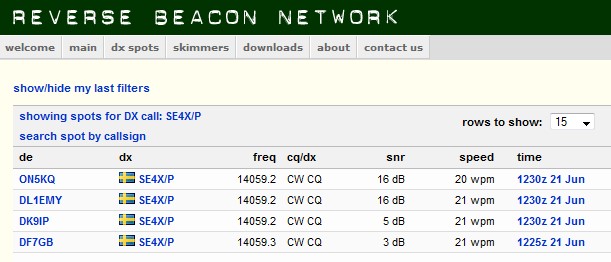
| Event: | SOTA-, GMA-, WWFF-Activation from Hovfjället SM/VL-004, Värmland |
| Station: | Yaesu FT-817-ND, 5W |
| Antenna: | MP-1 coil + linked radial + U.S. Army folding radiator |
| WX: | cloudy, 14°C |
| HF Condx: | poor |
| Time: | 1220z – 1250z |
Summit-Activation #445
 |  |  |