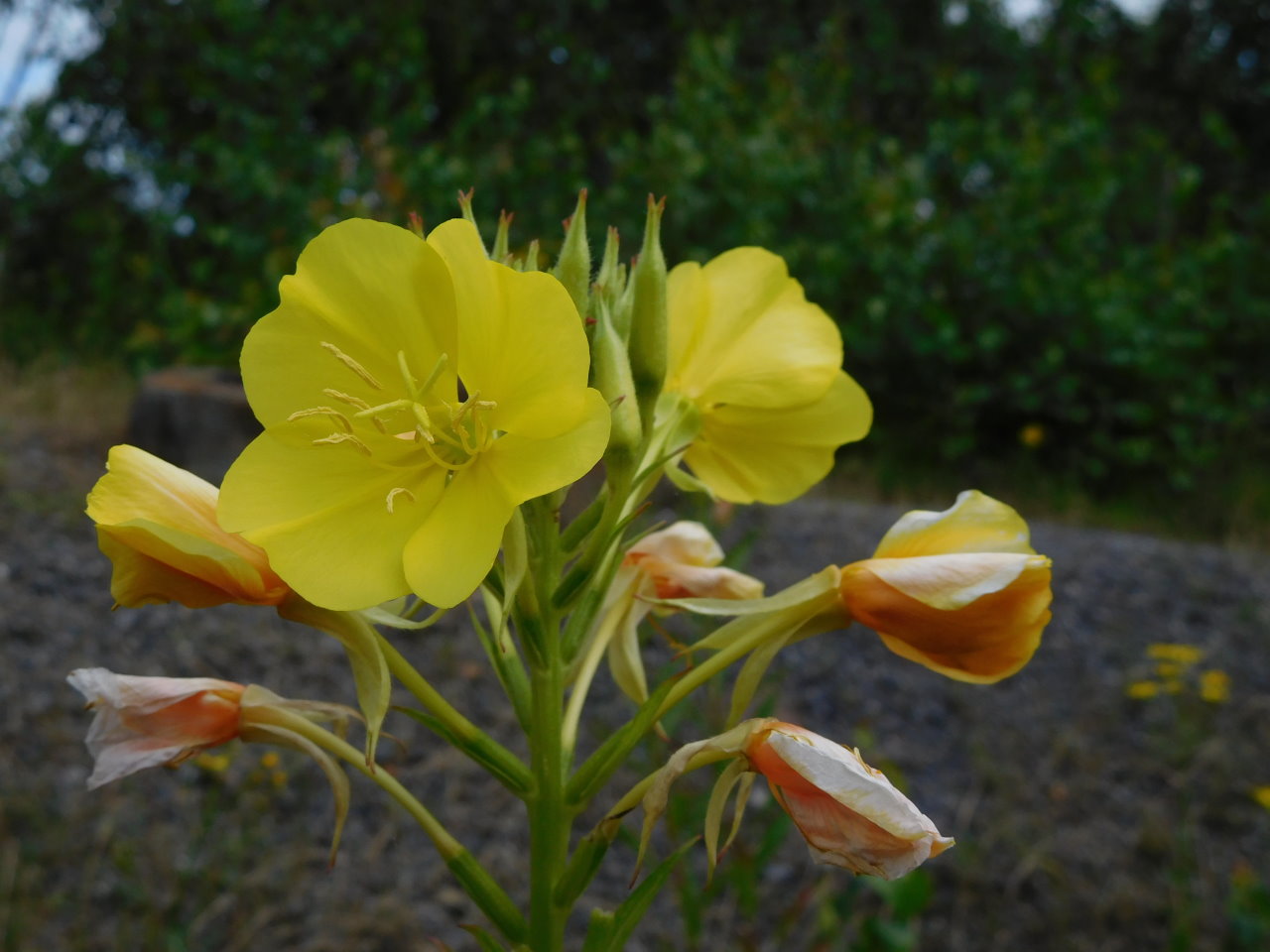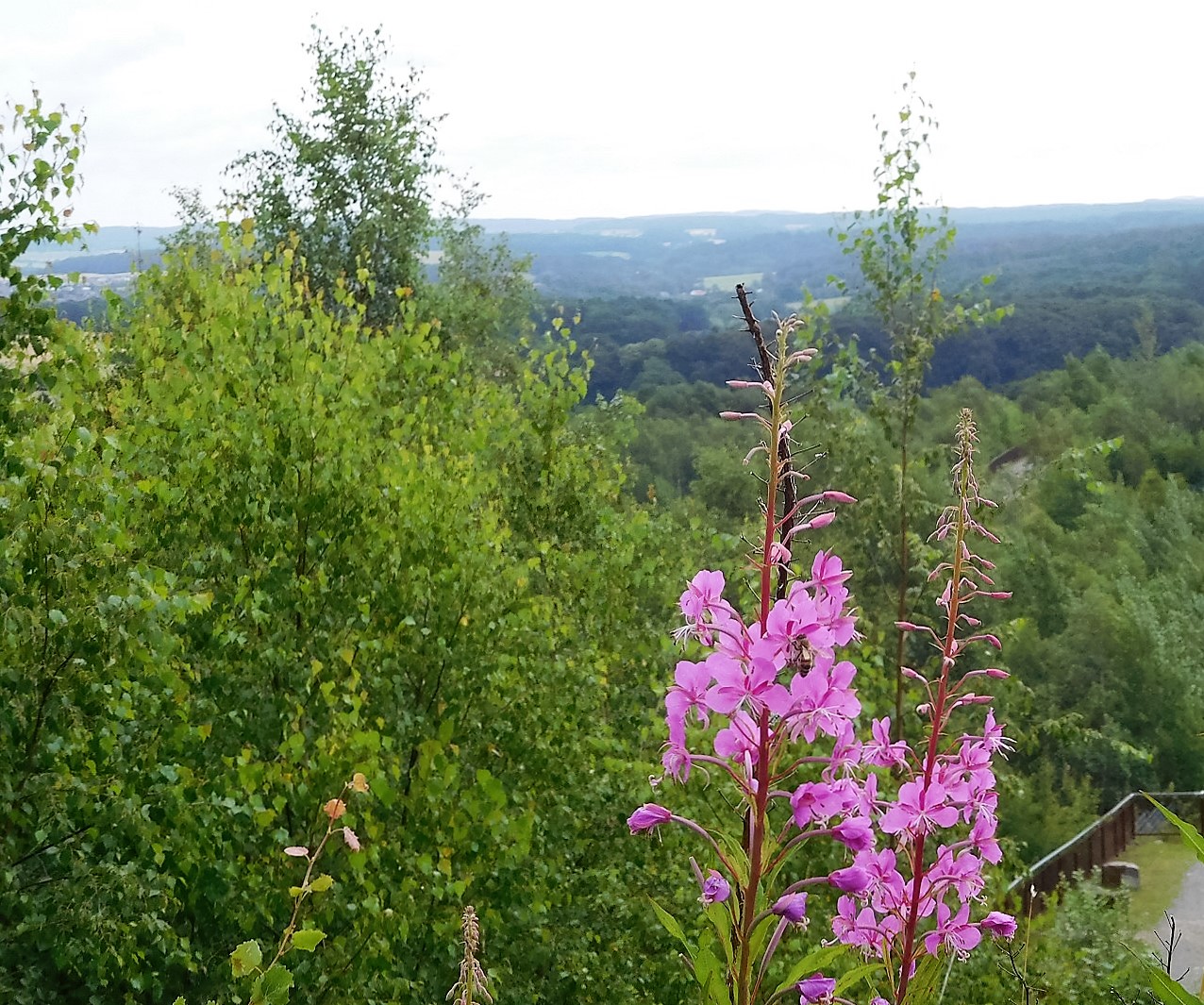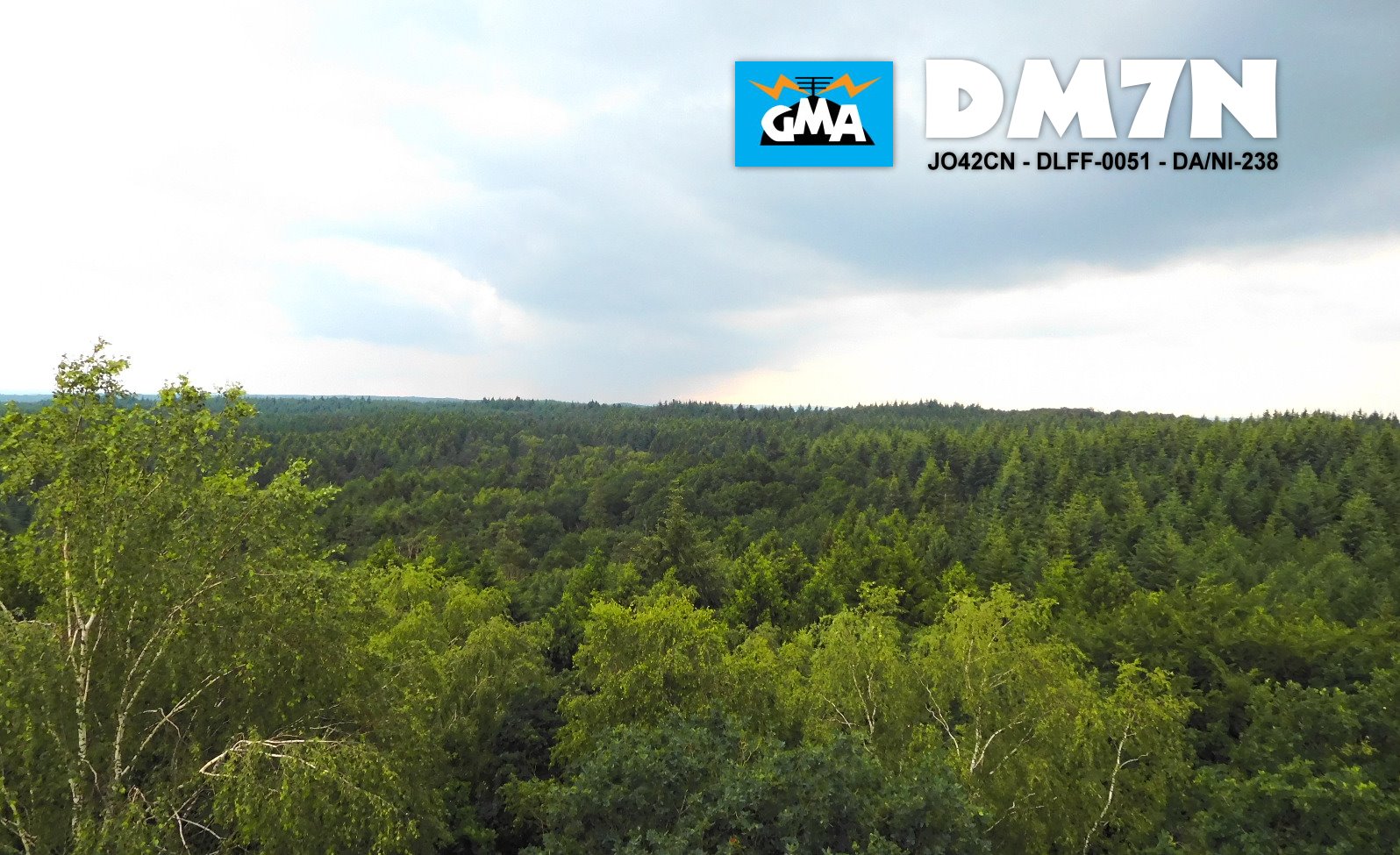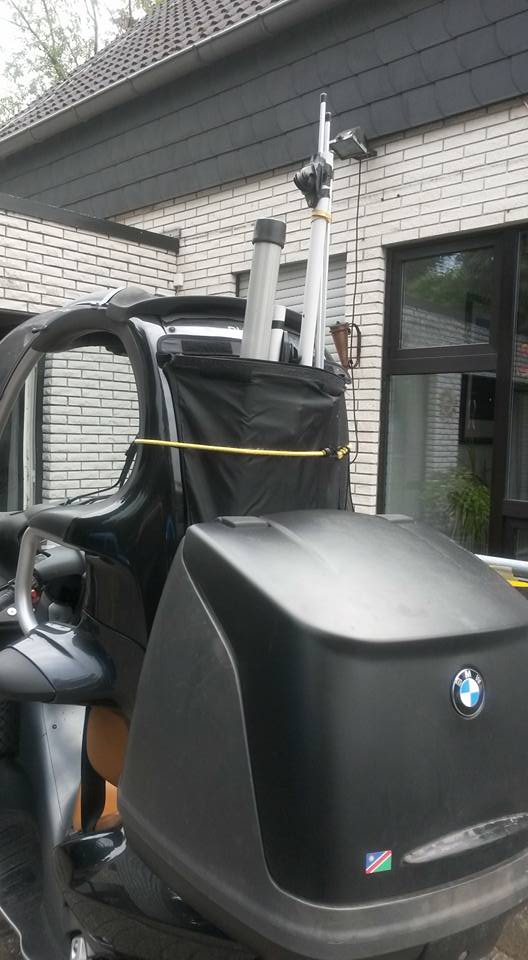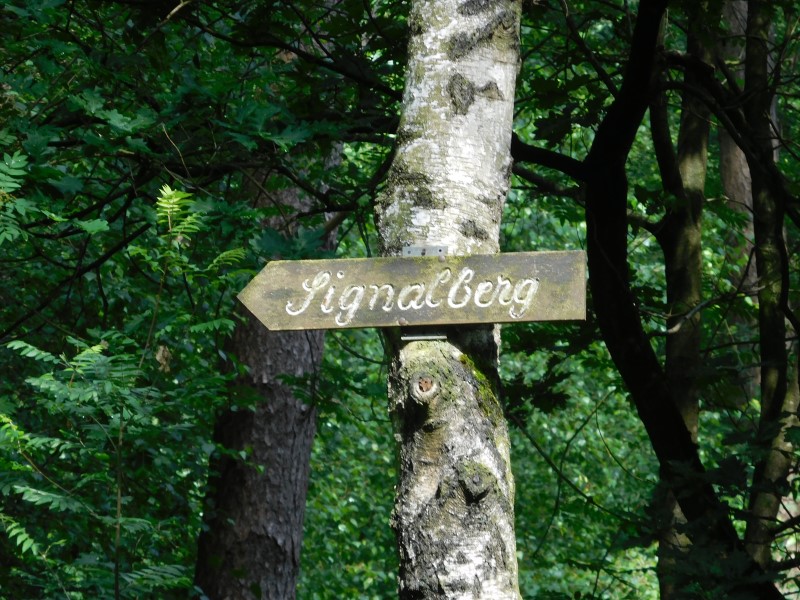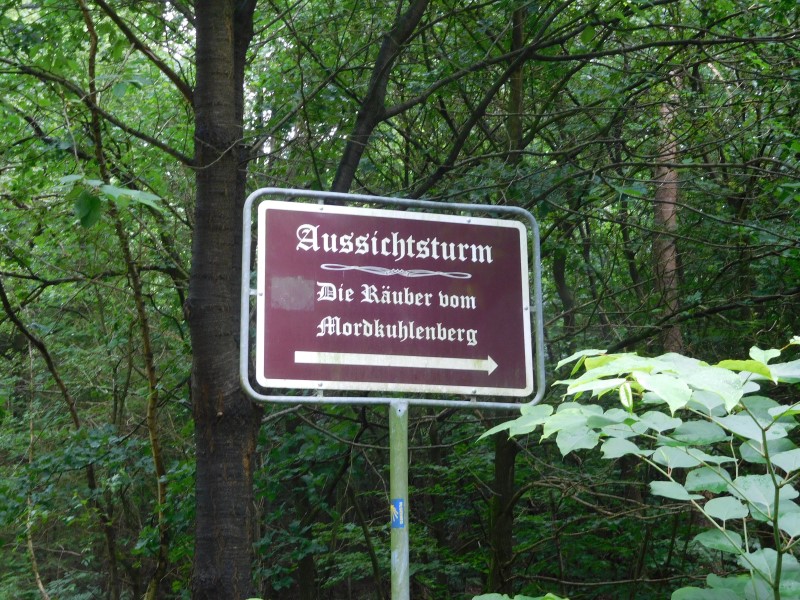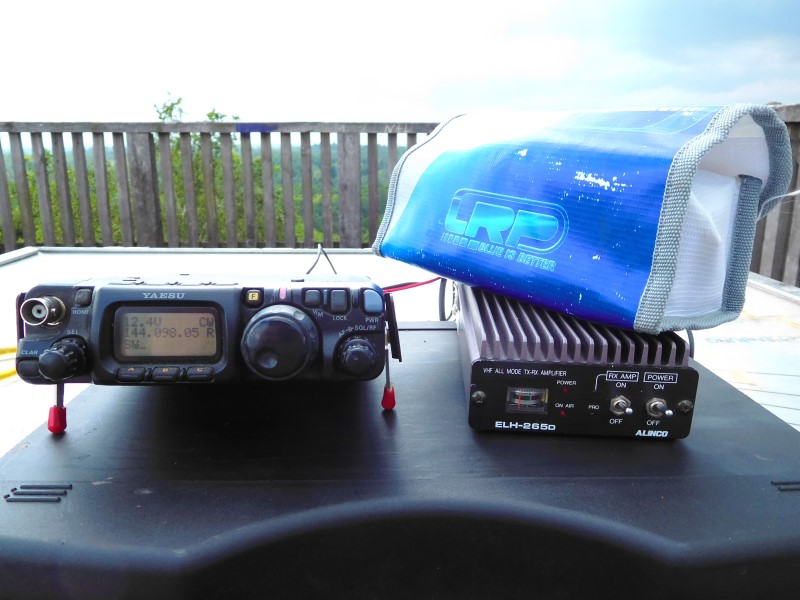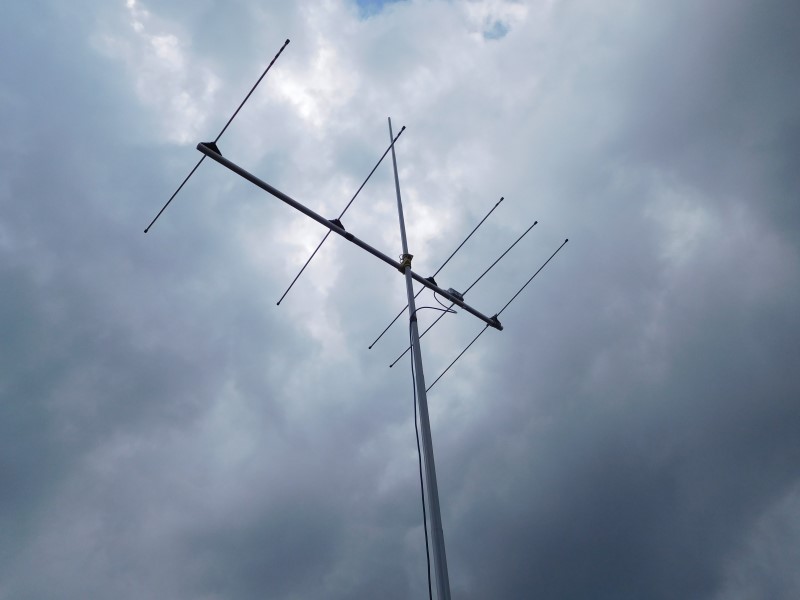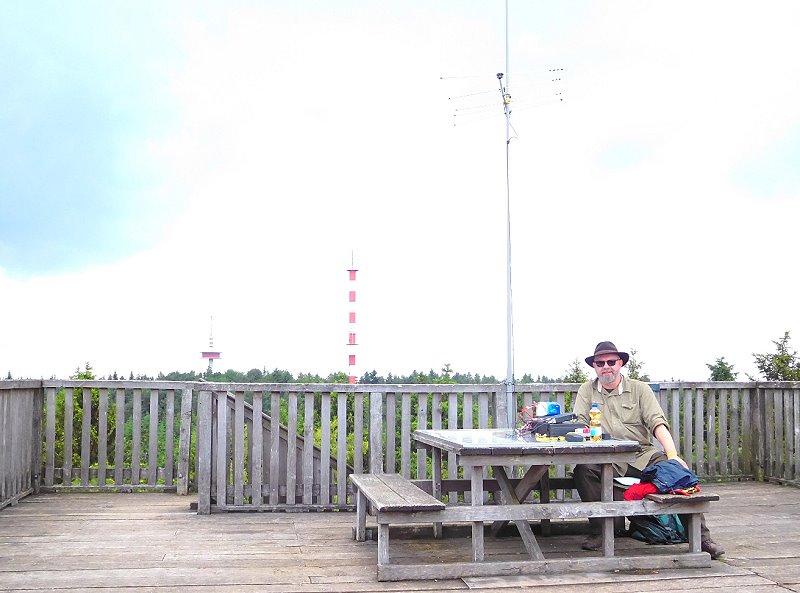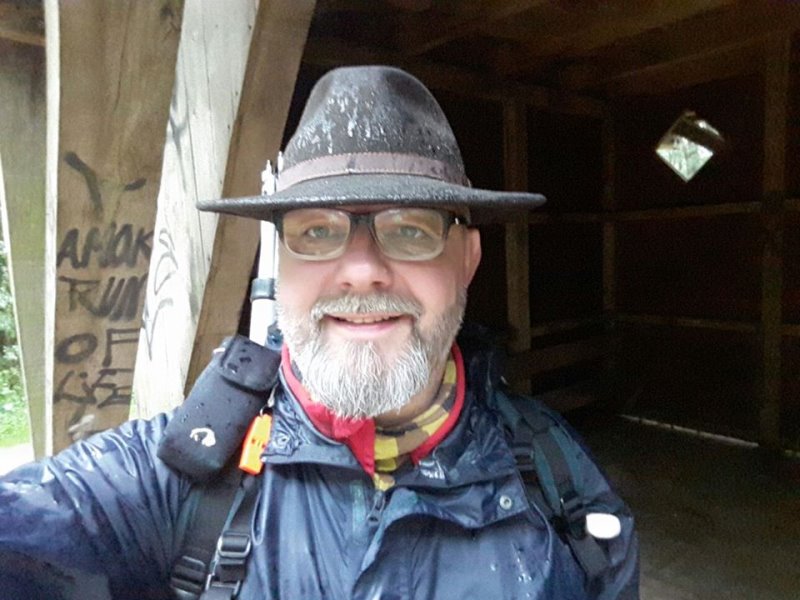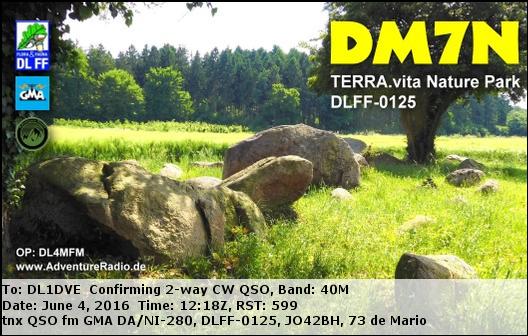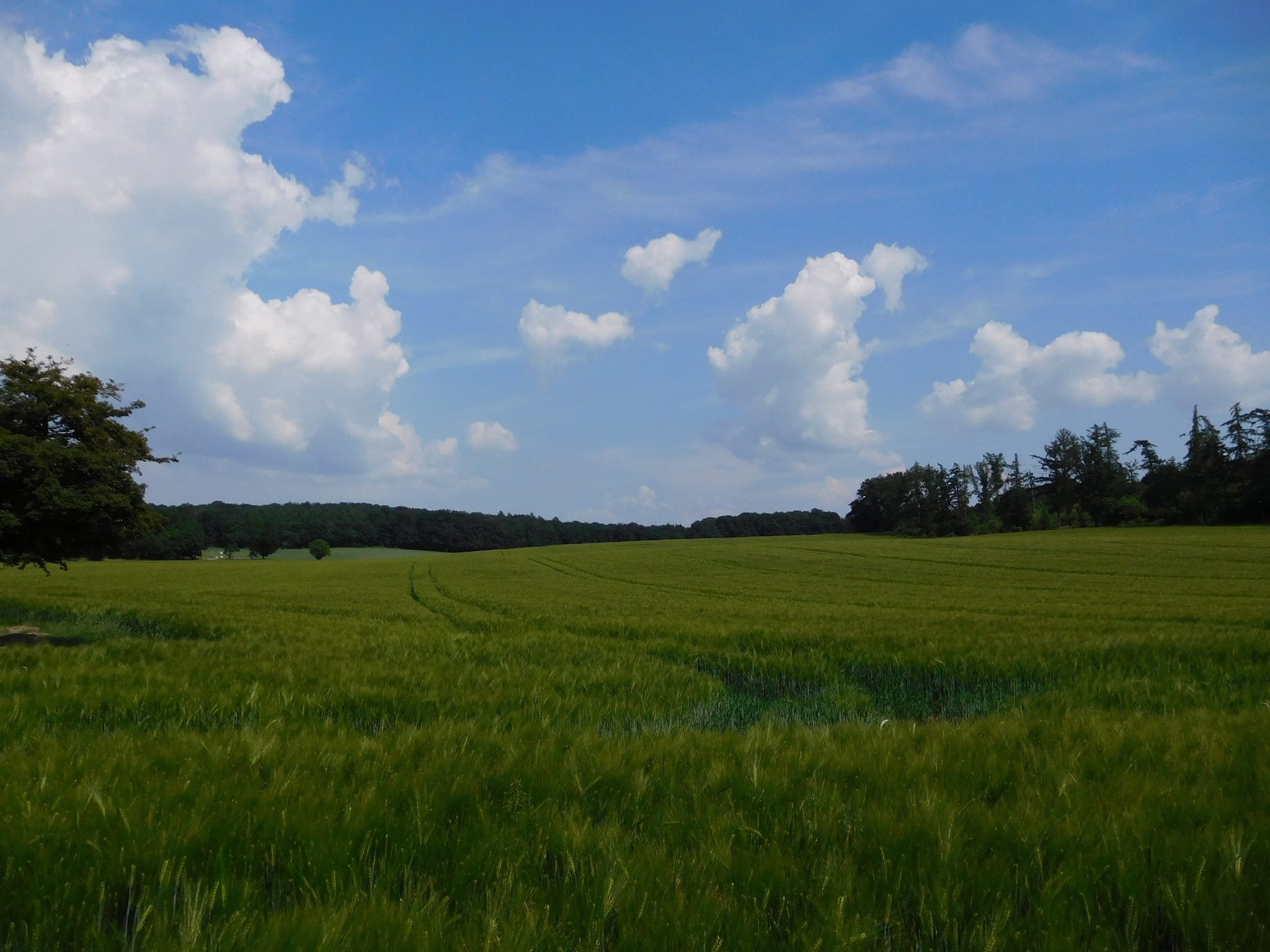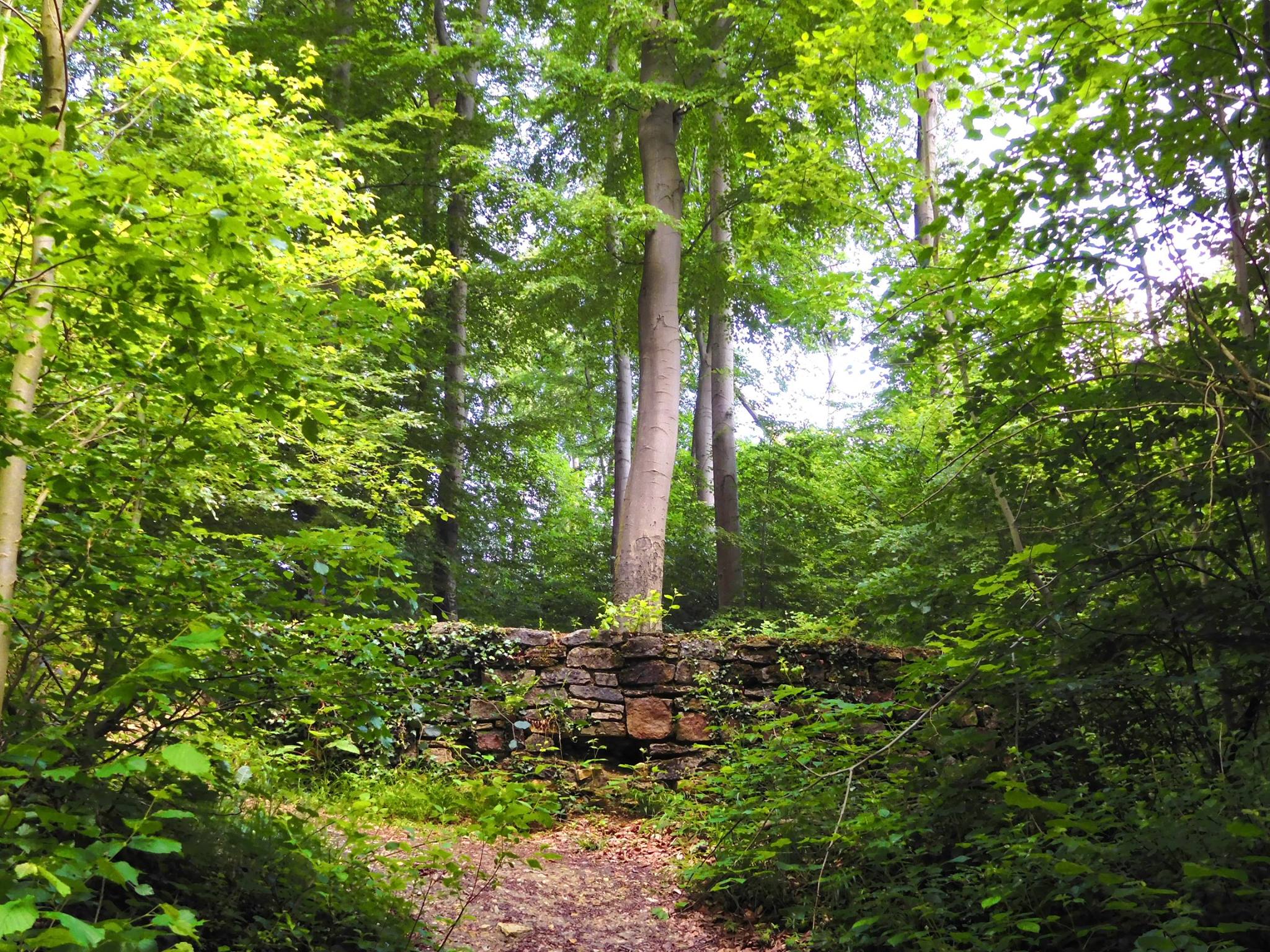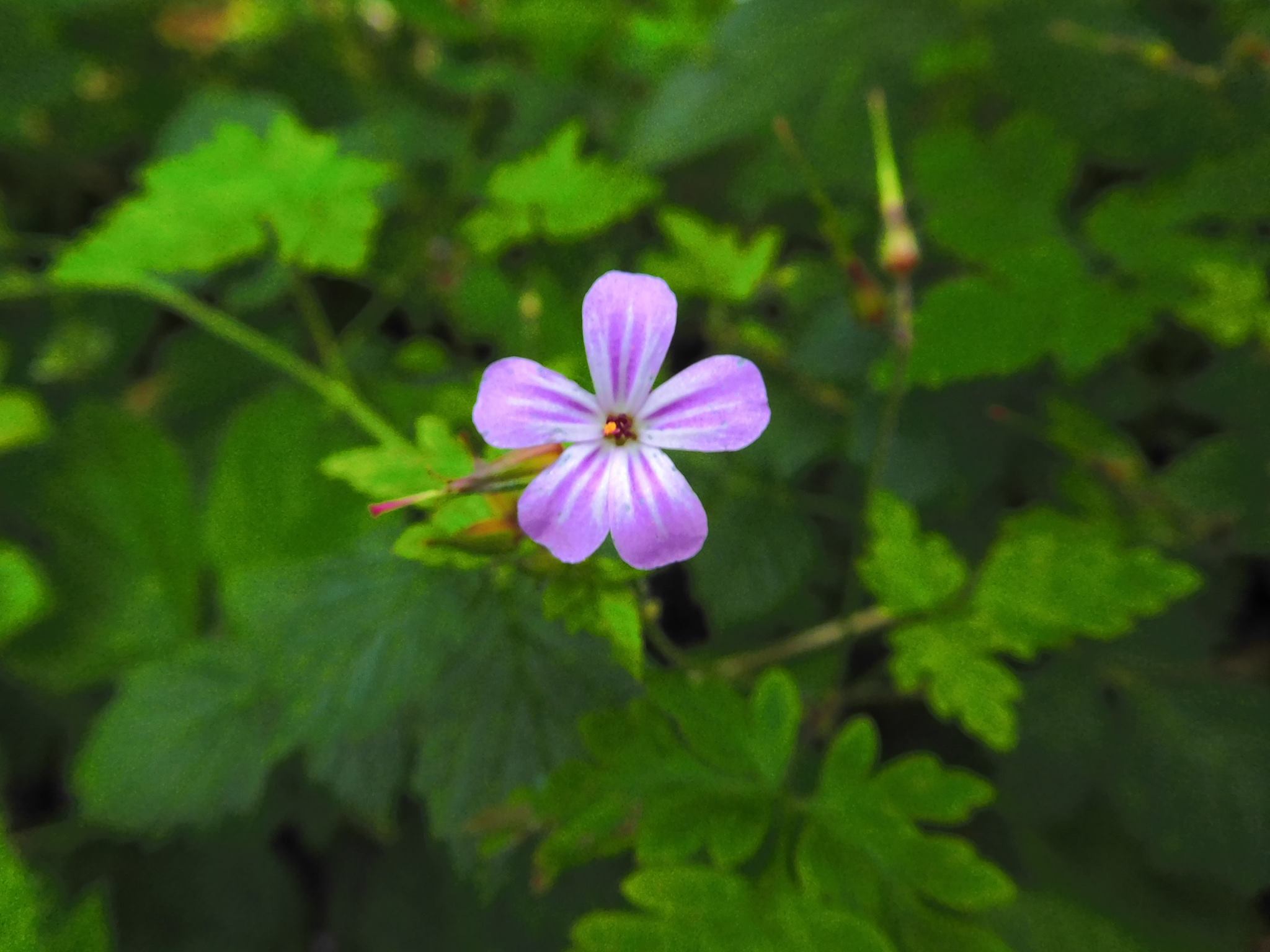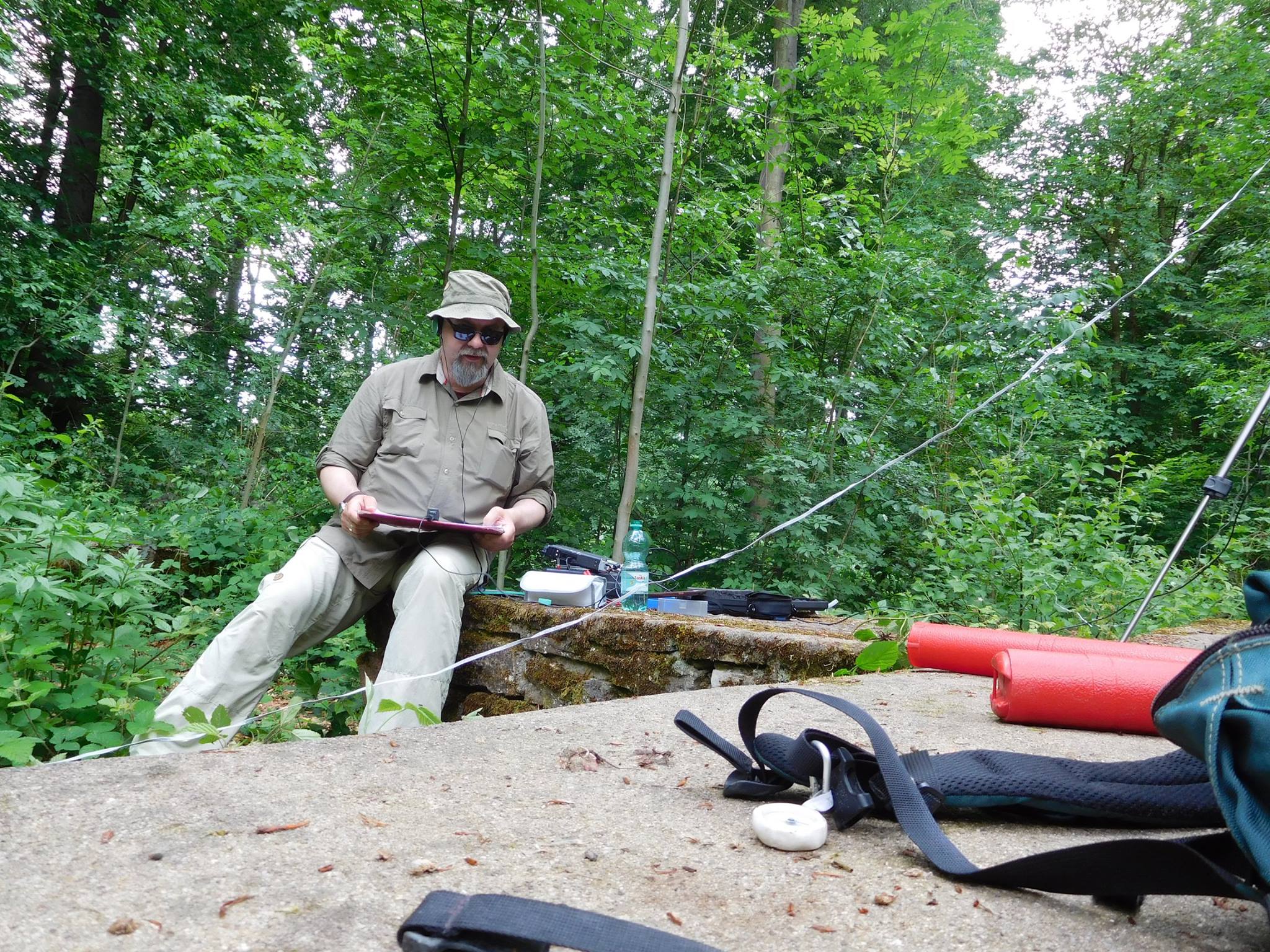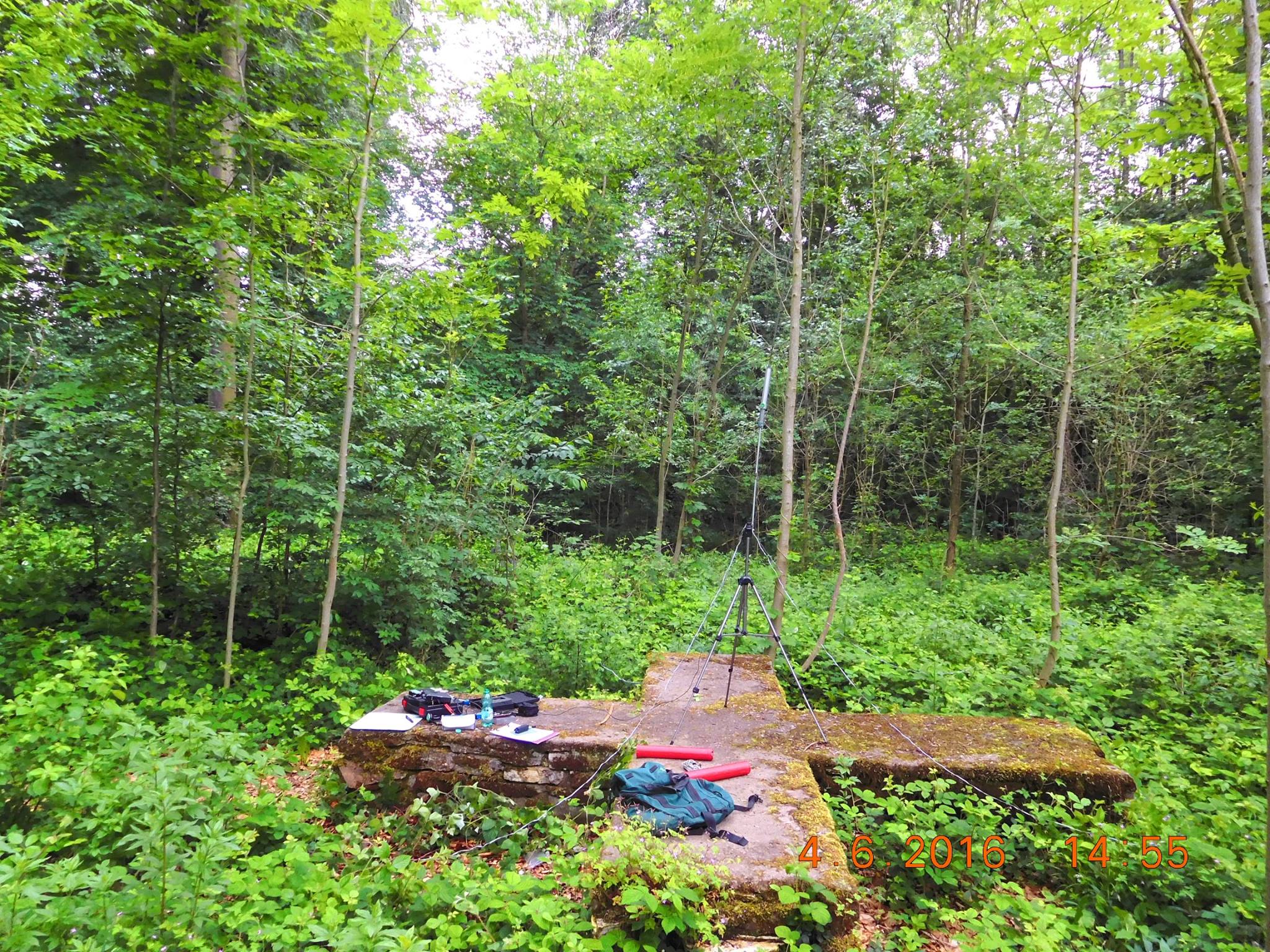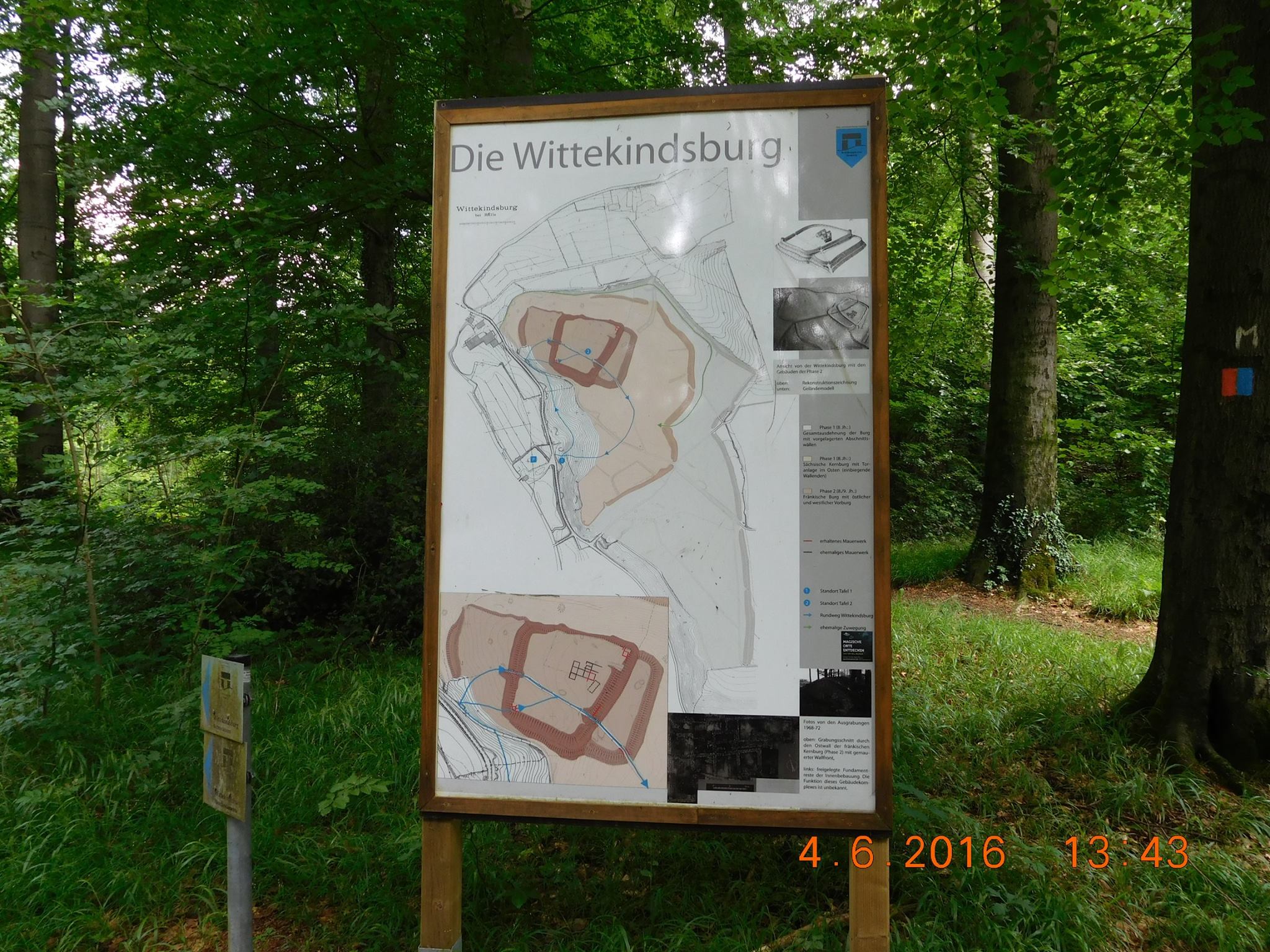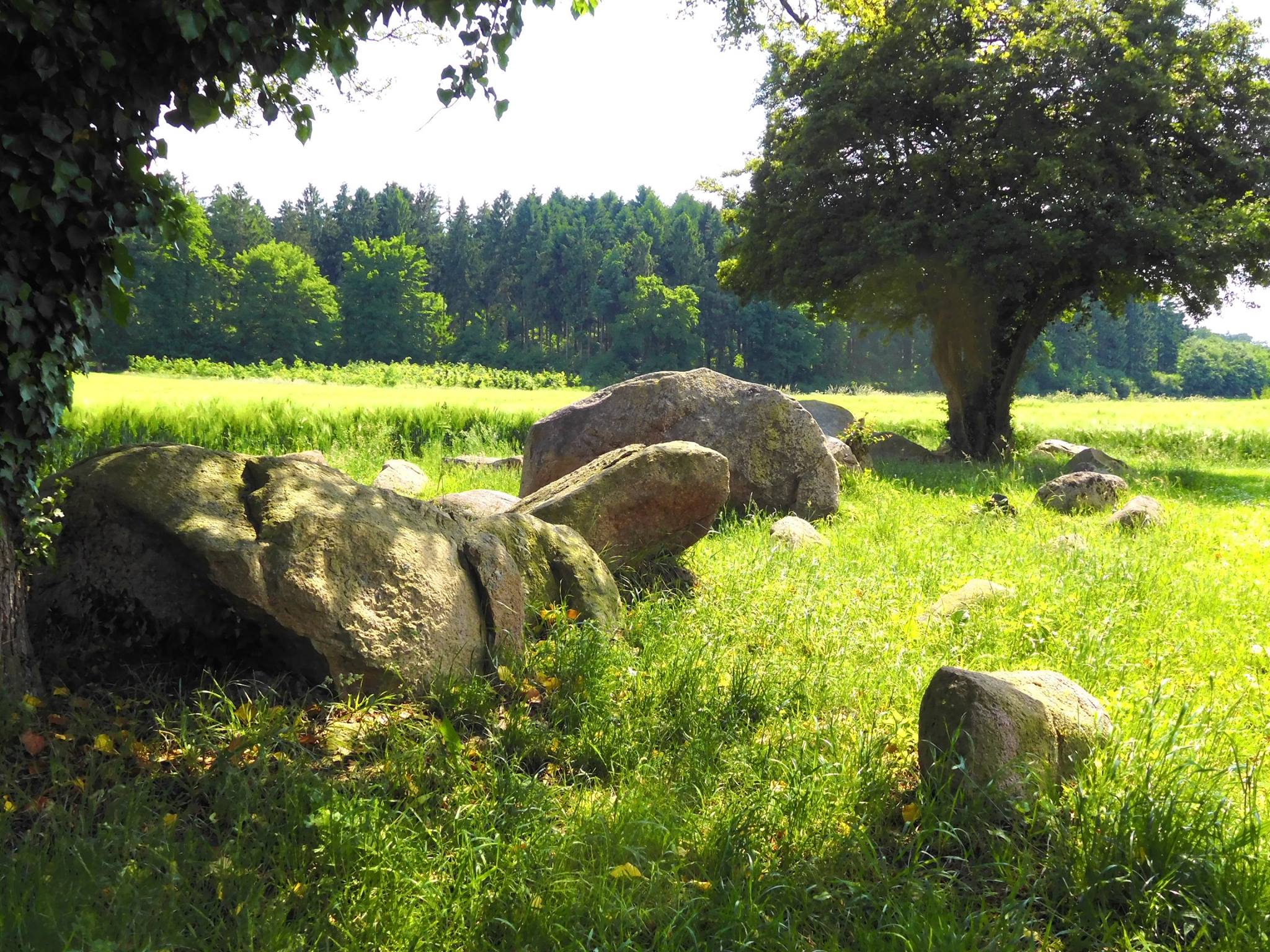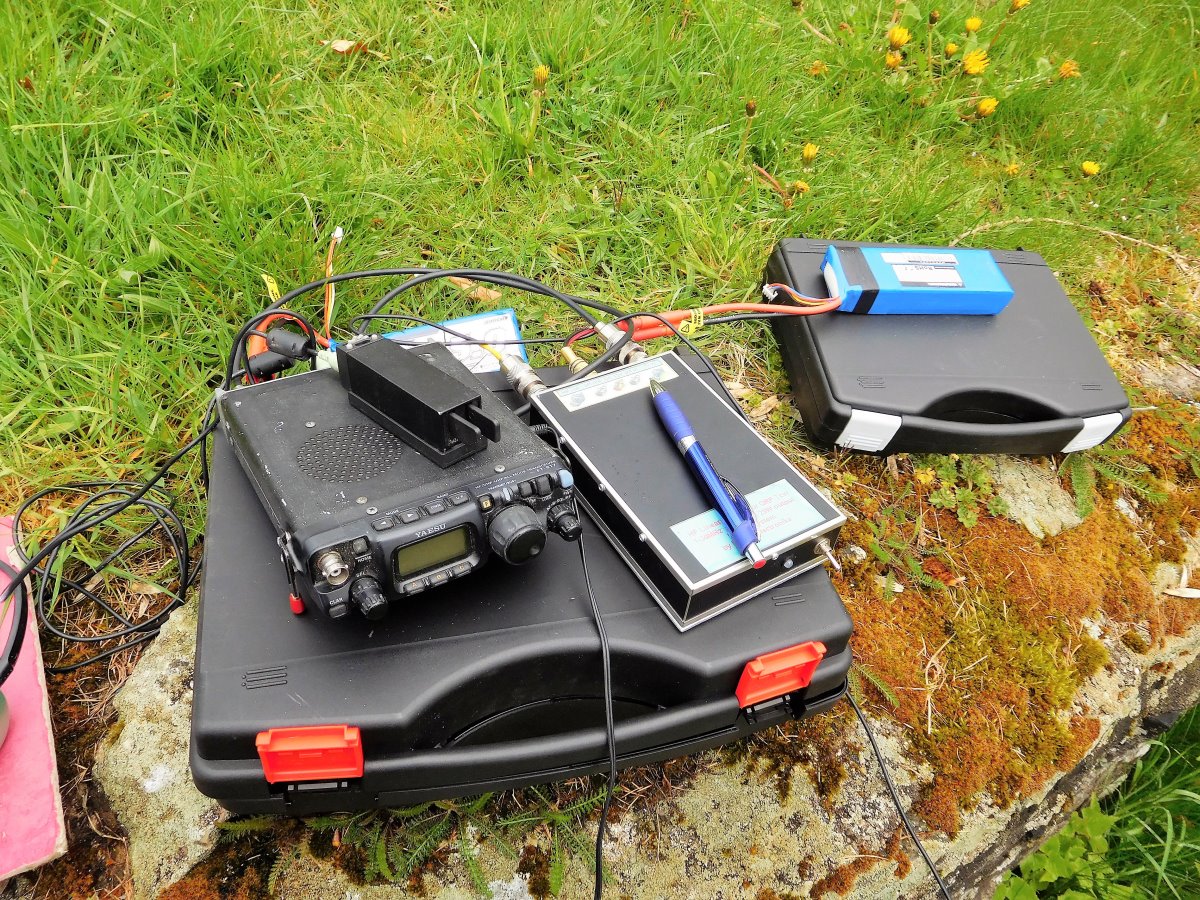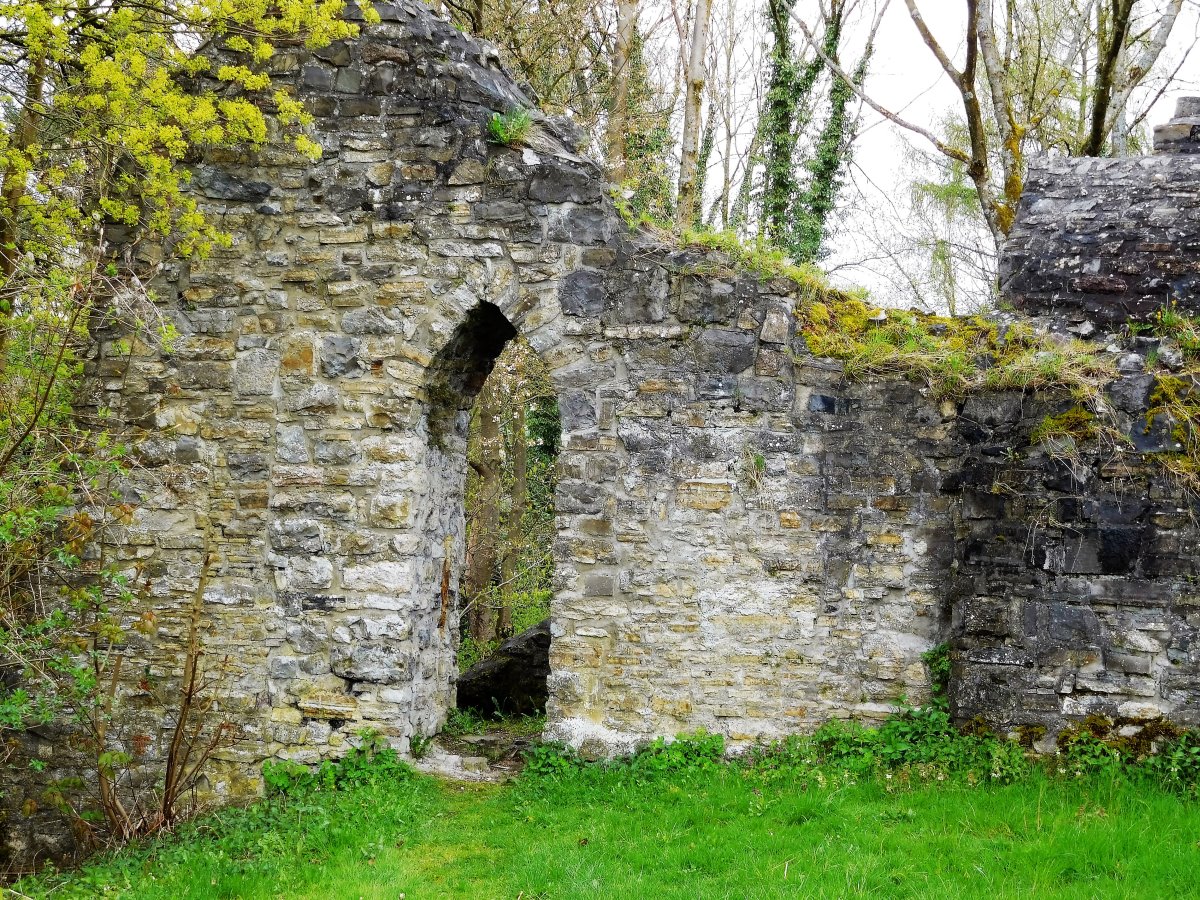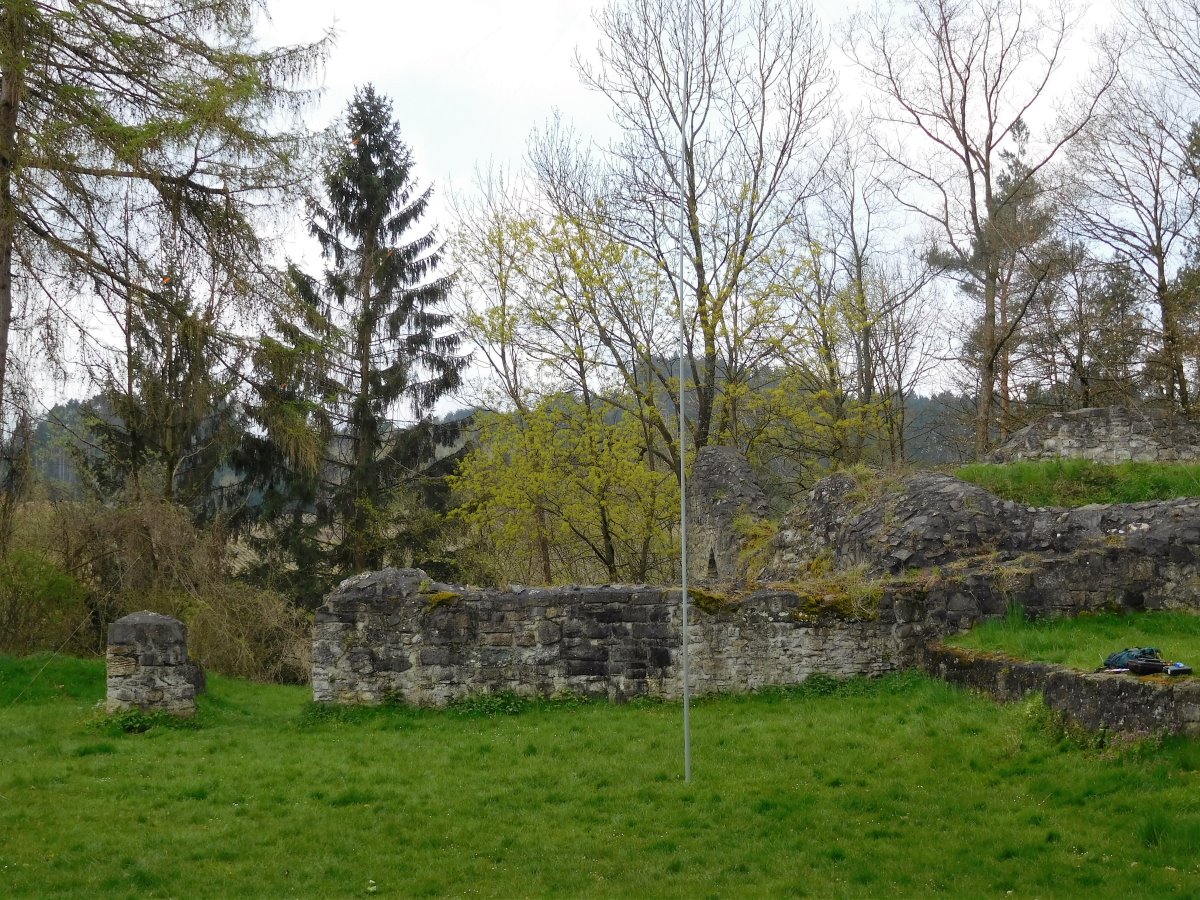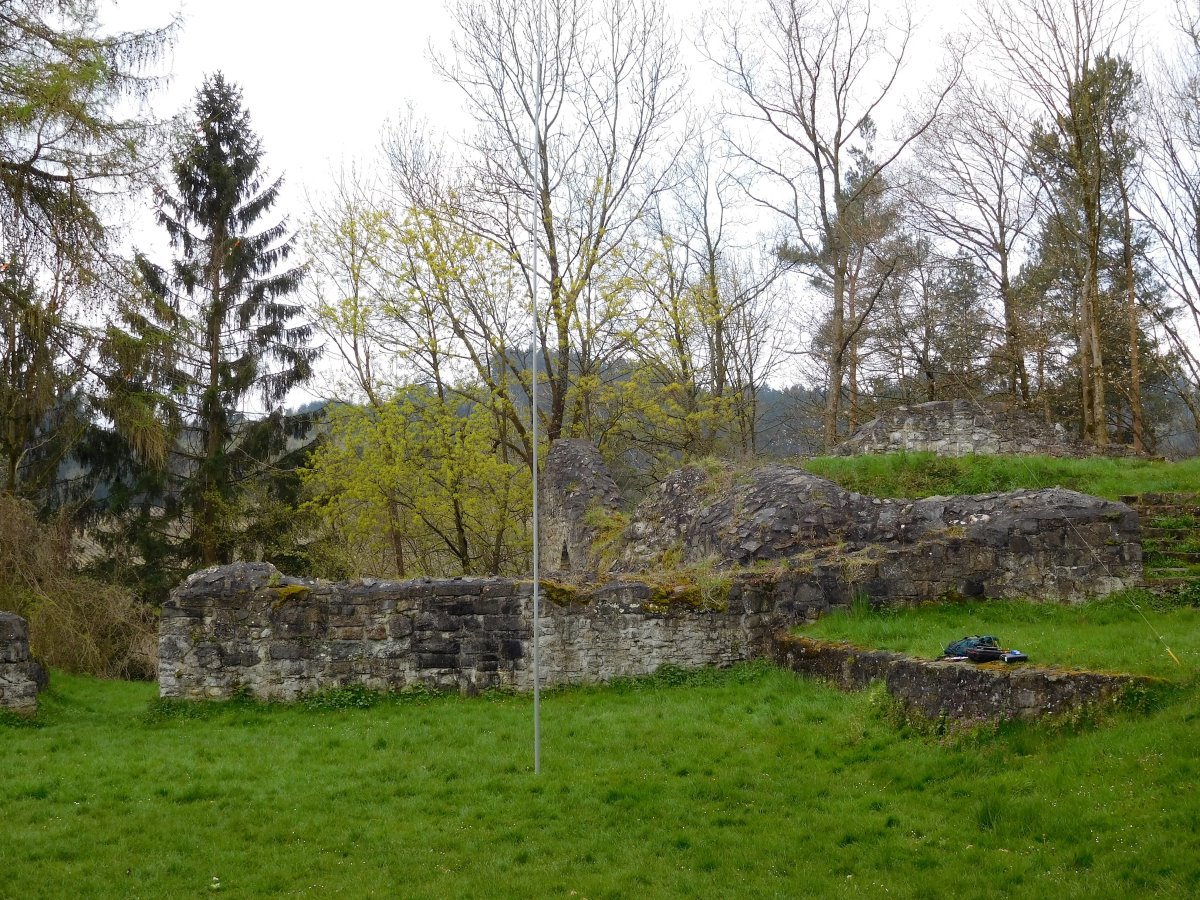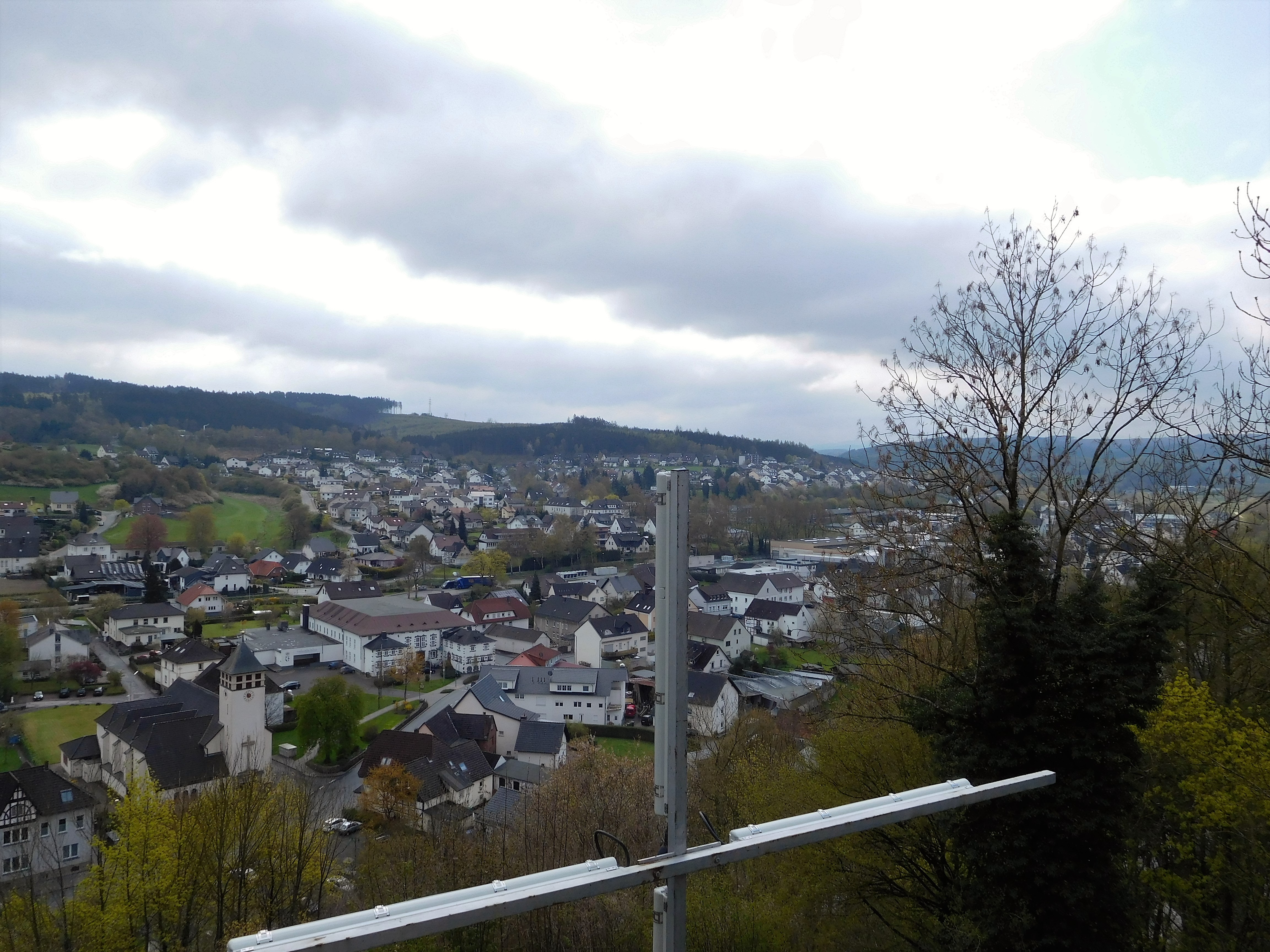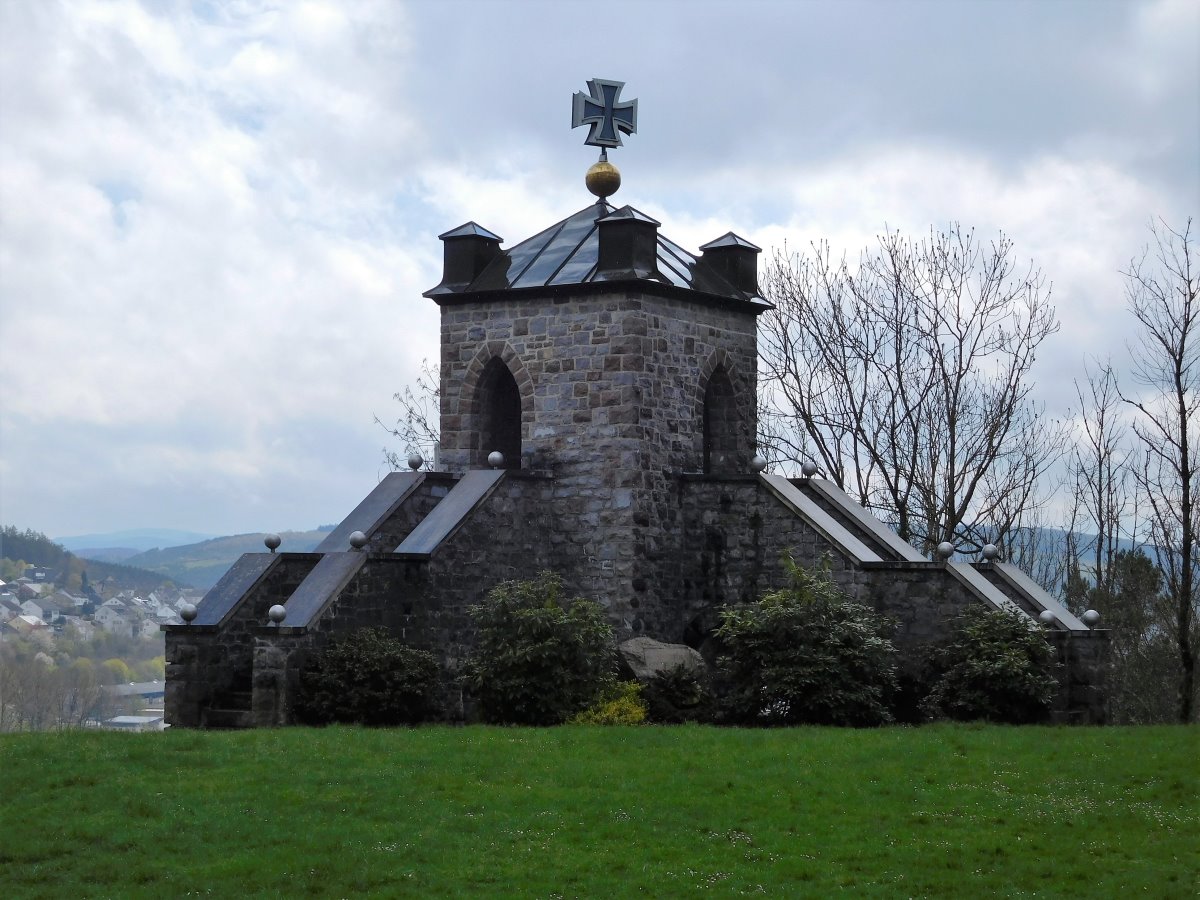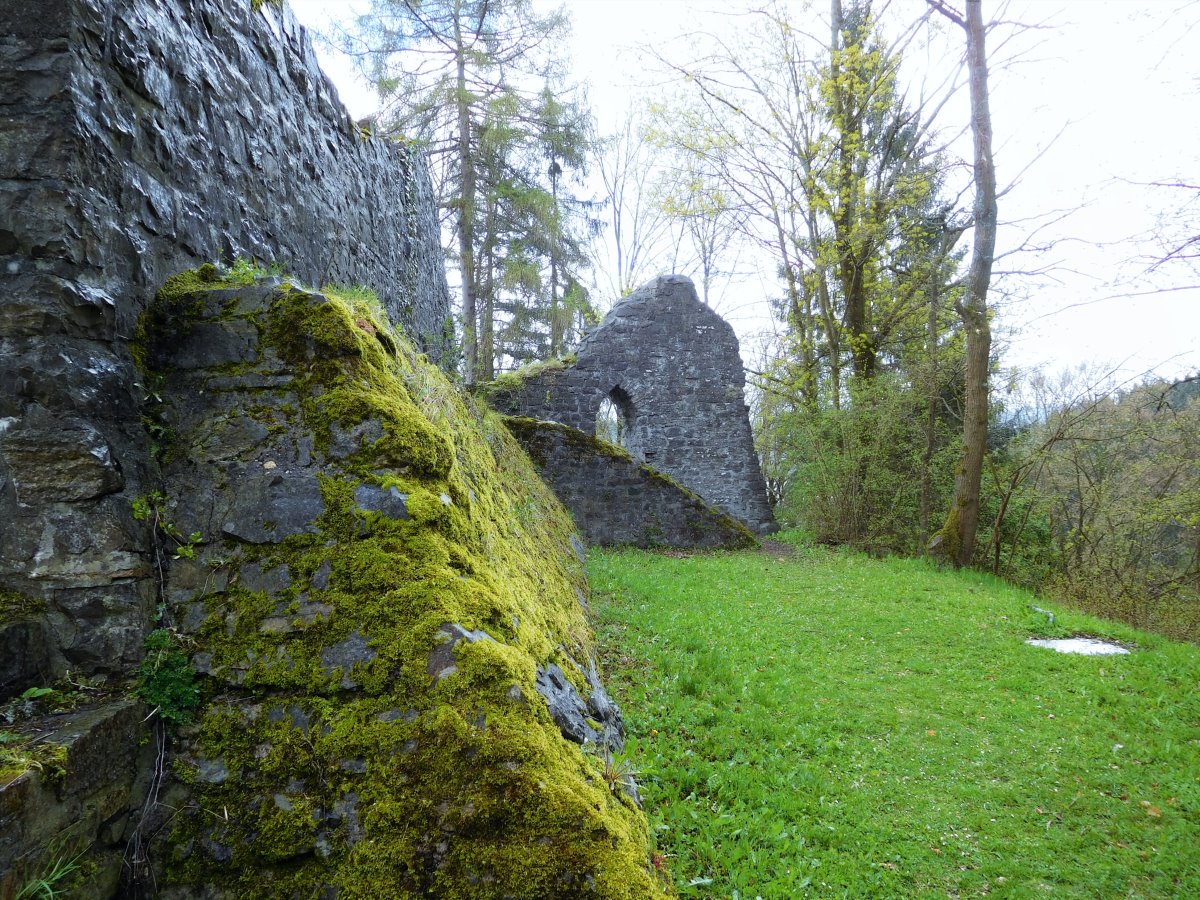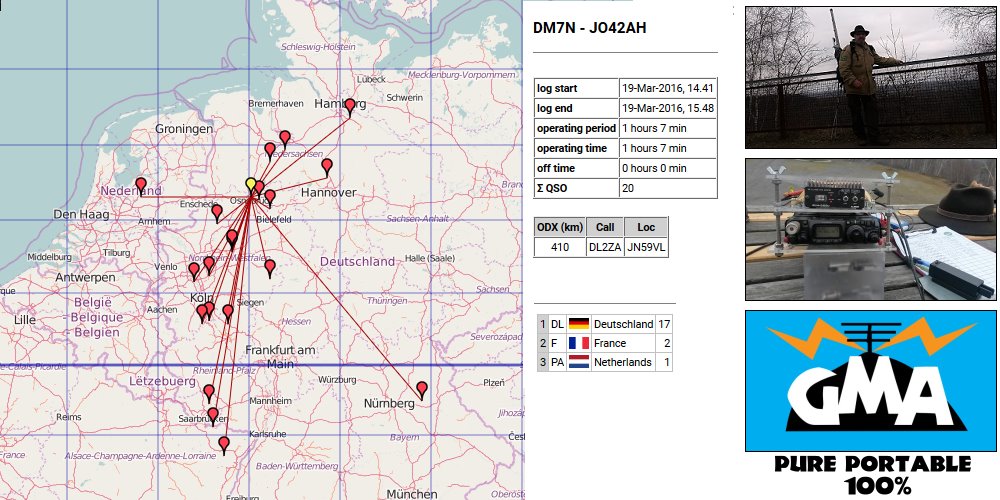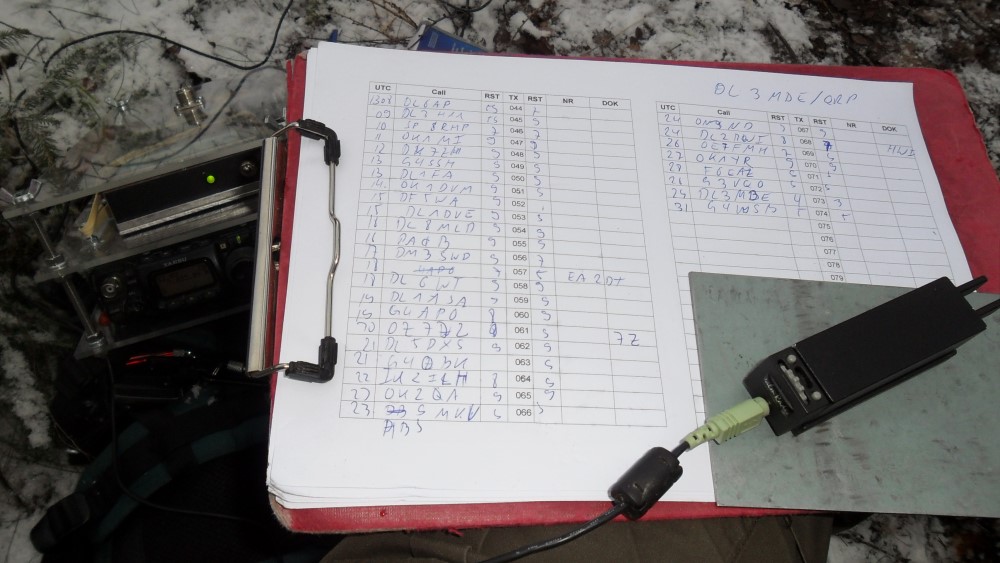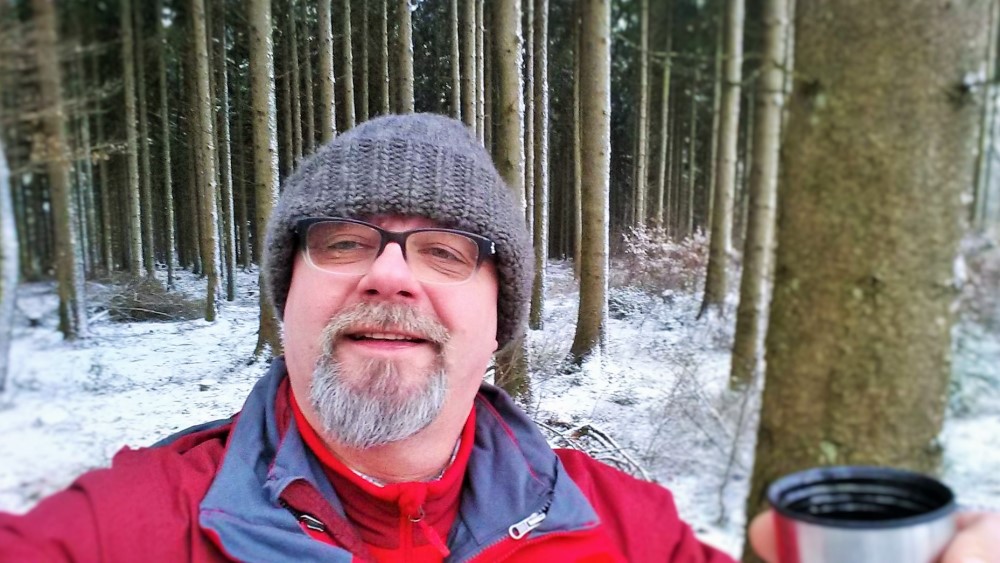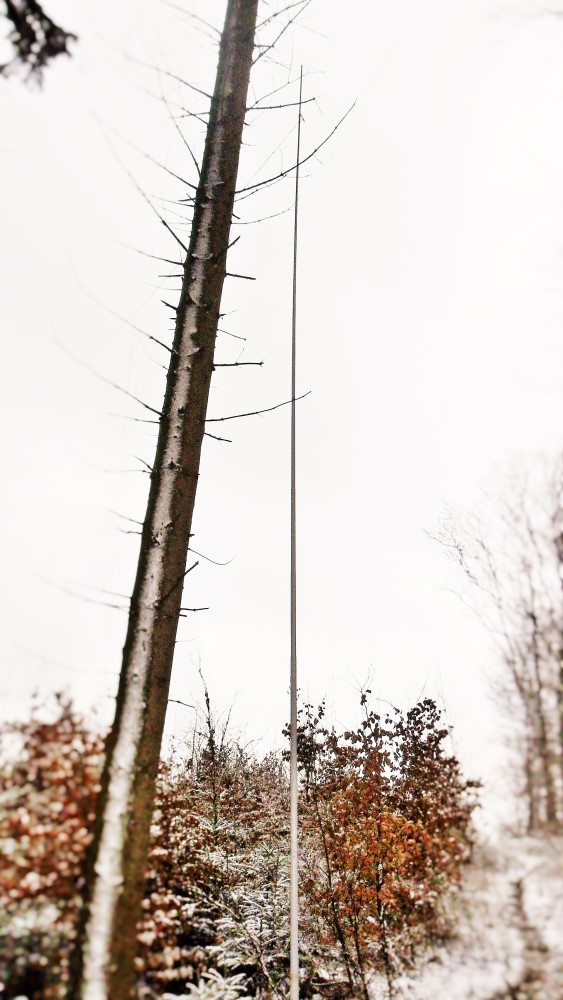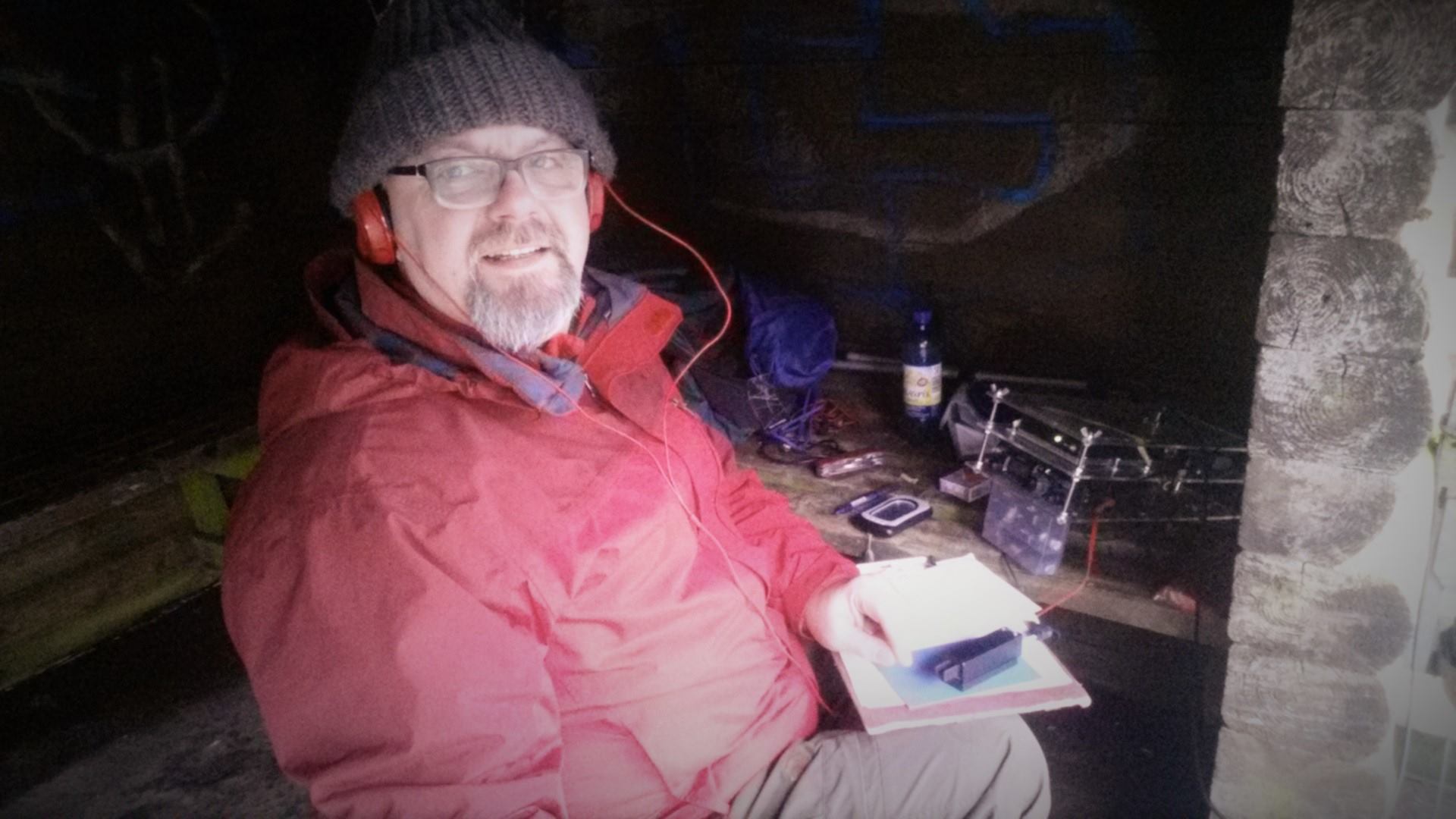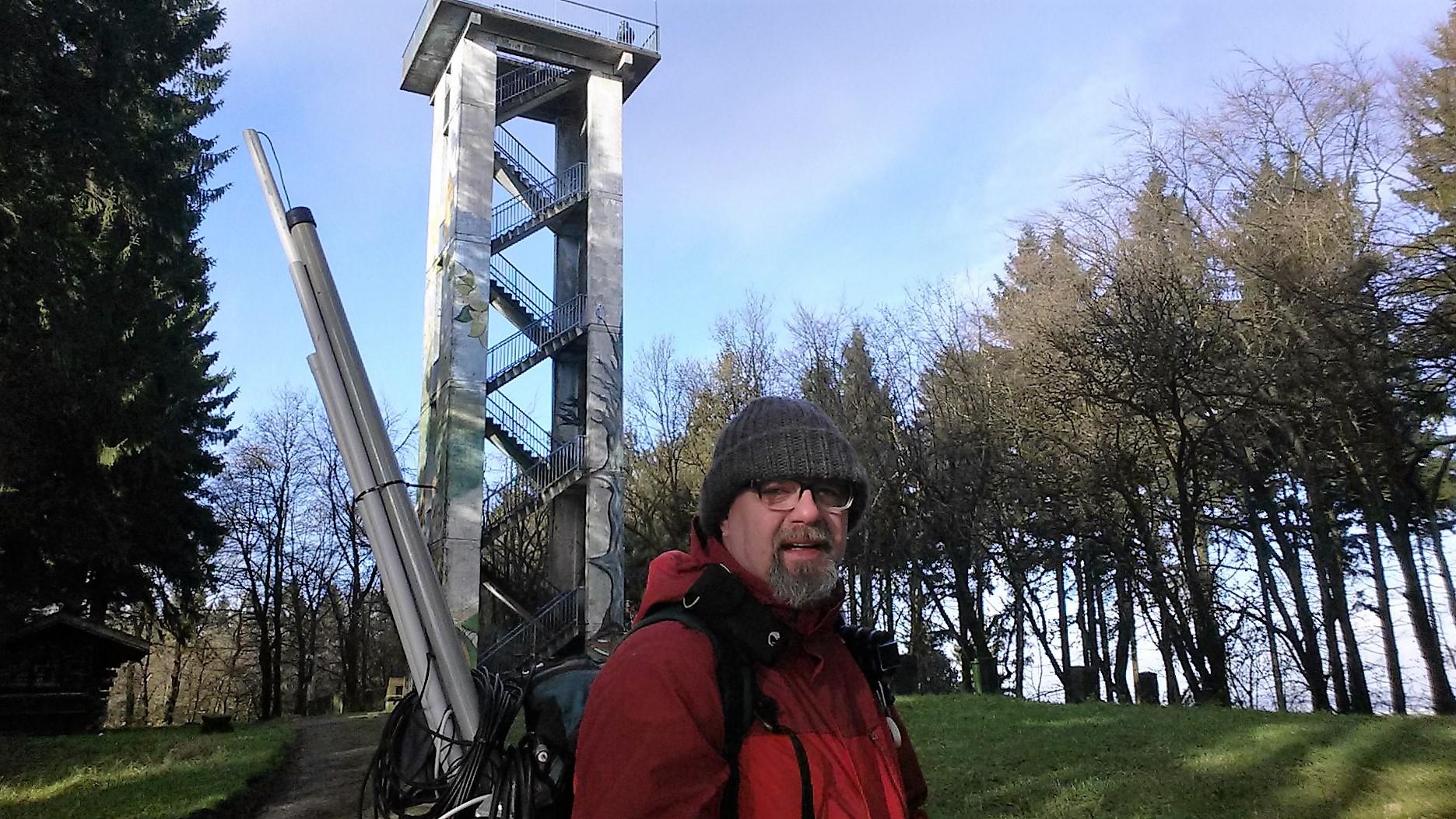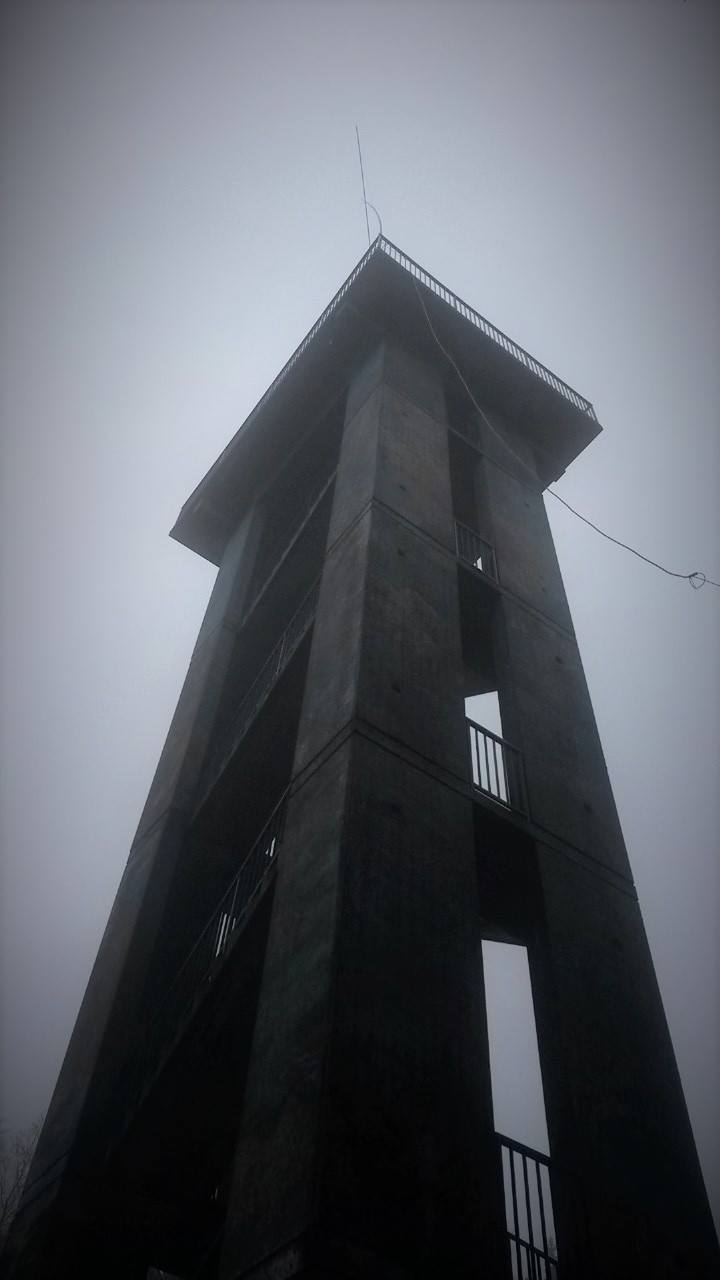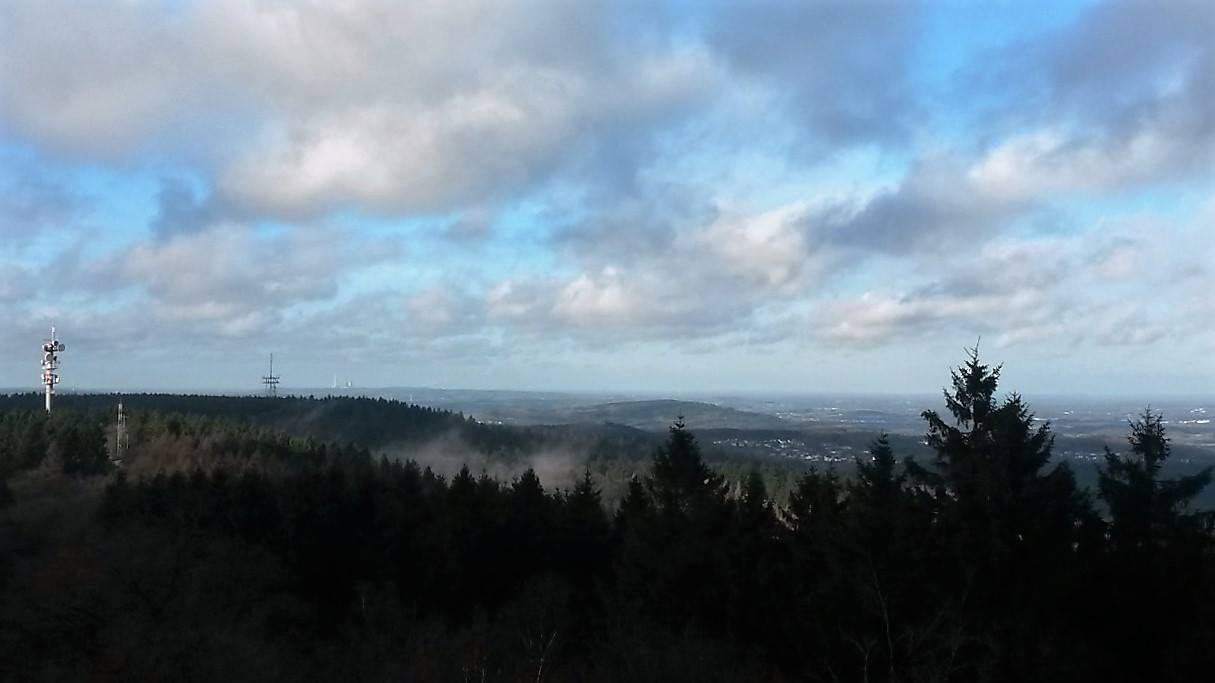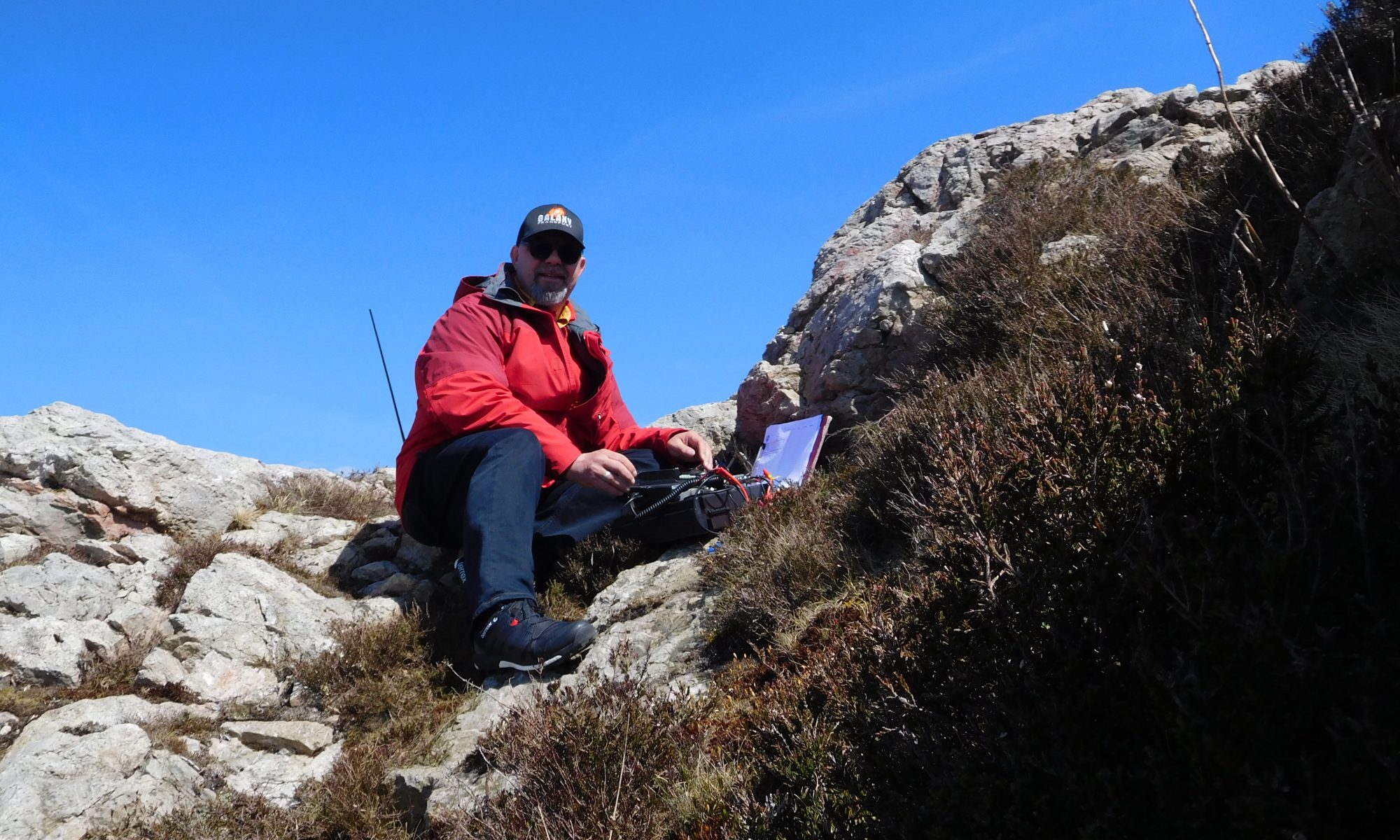
Hike to the watermill (first mention 1253 CE), 4000 years old hunebeds (Dolmen) and the Wittekindsburg (castle ruins from the early middle ages / Saxon Wars, sadly no WCA reference) and operating from the bush in TERRA.vita Nature Park (GMA DA/NI-280, GMA Castle DAC/NI-001, DLFF-0125). The temperatures were about 25°C, sunny with a short rain break. In the log are 20 QSOs.
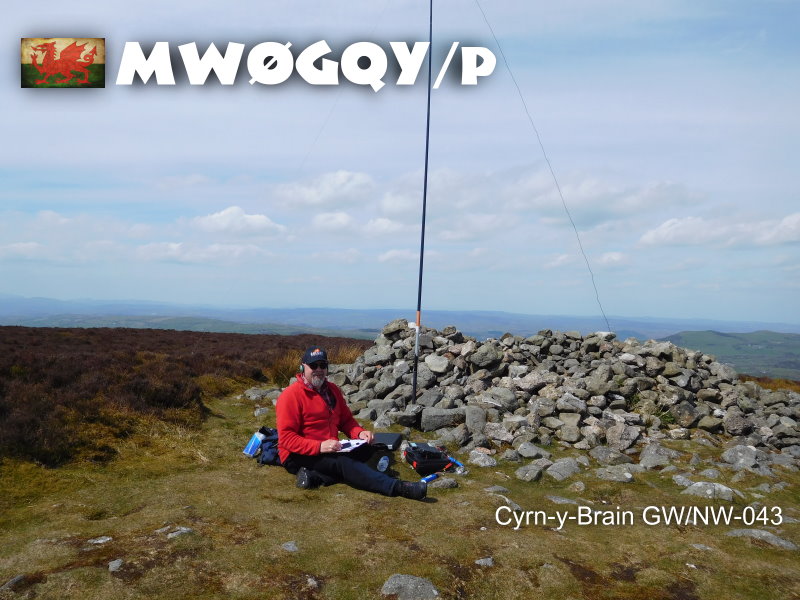
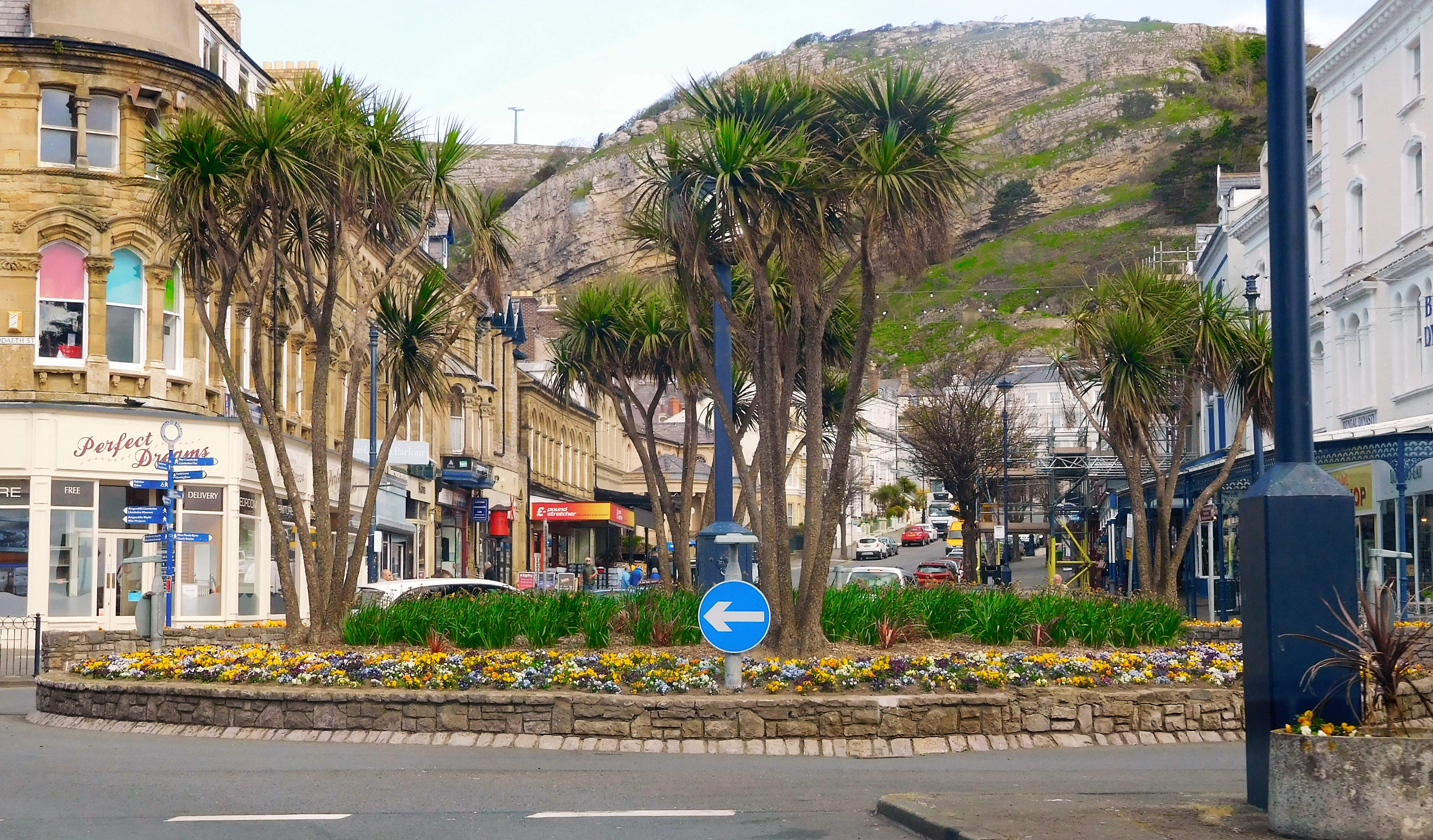
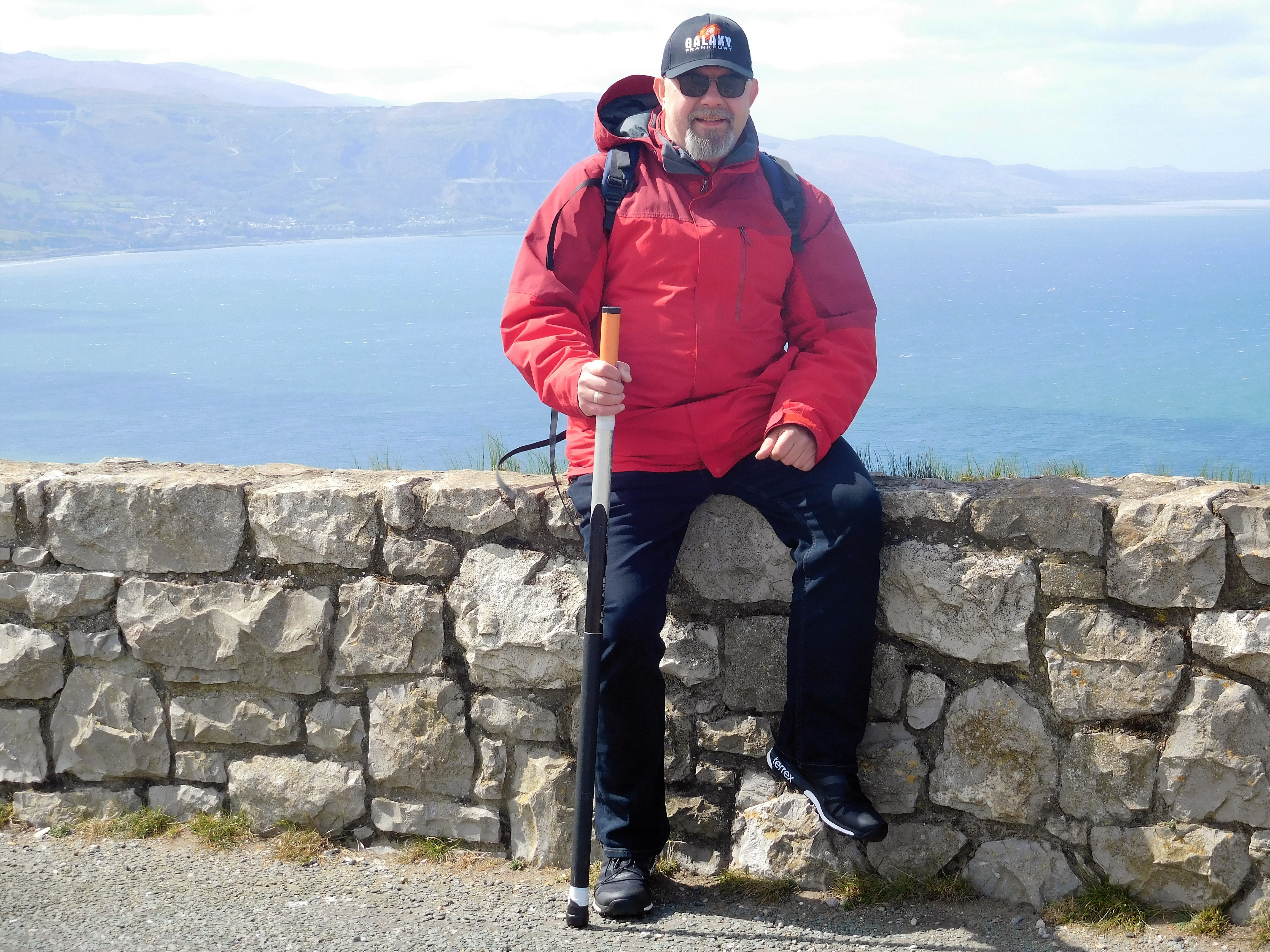
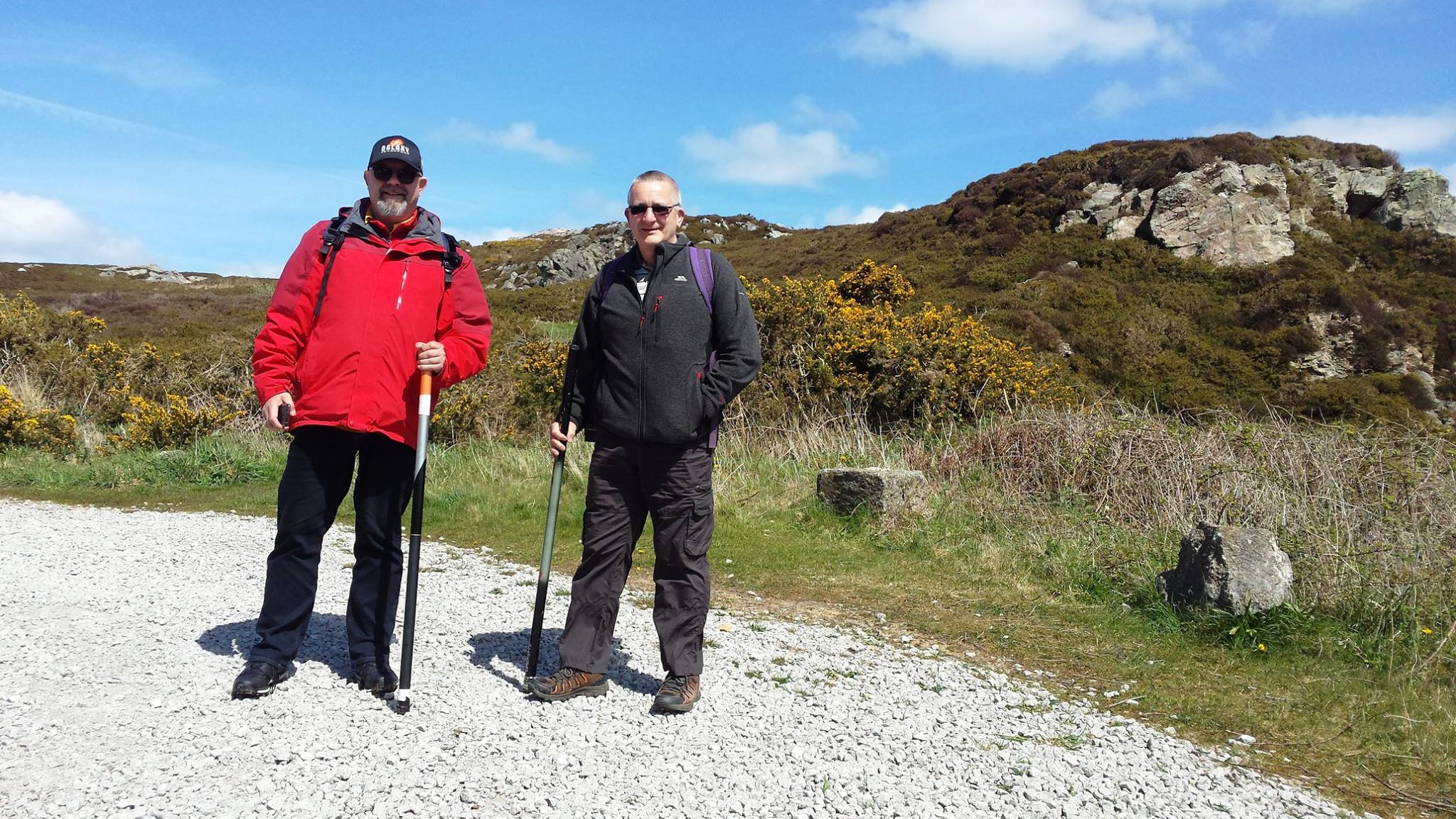
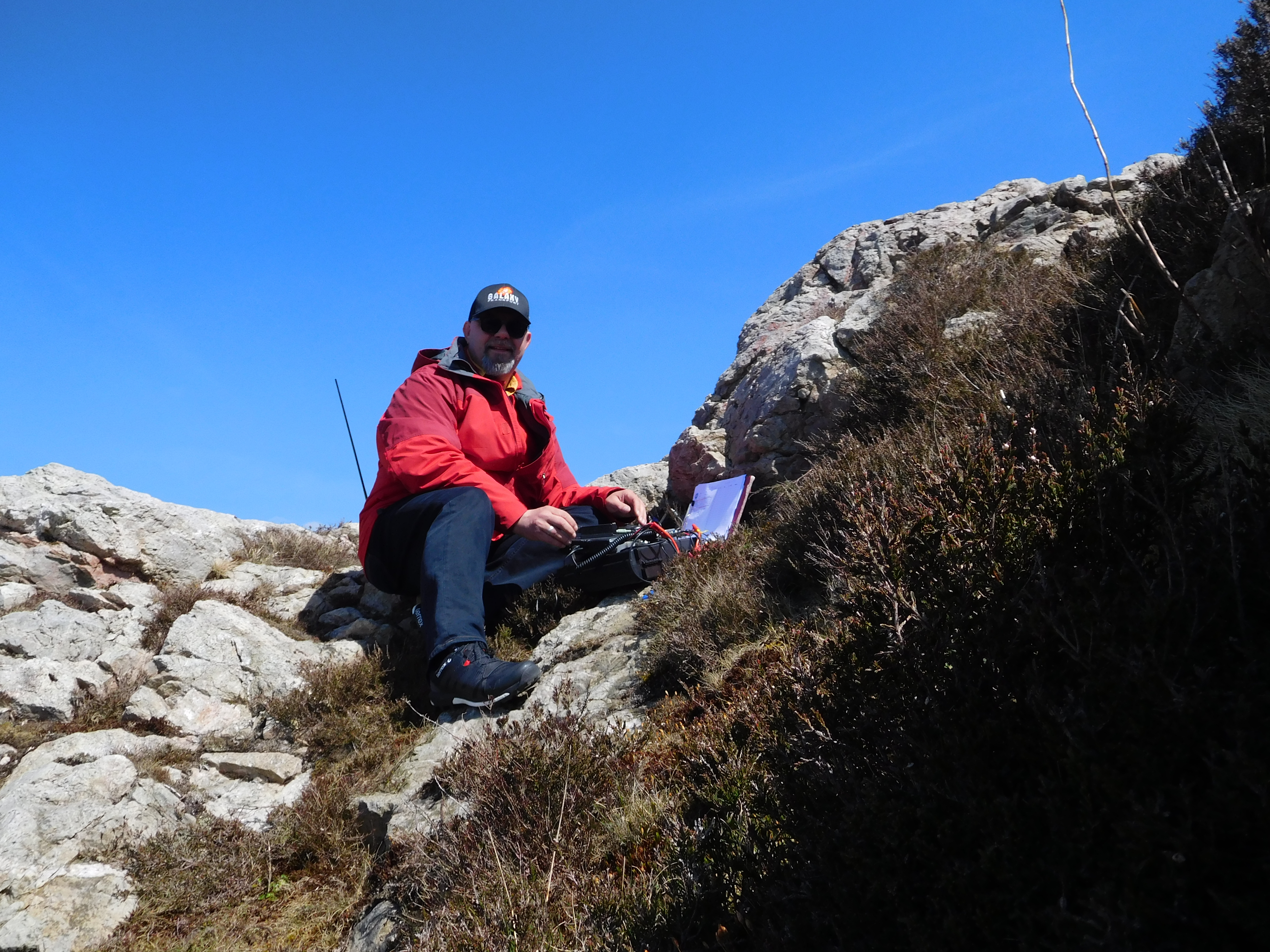
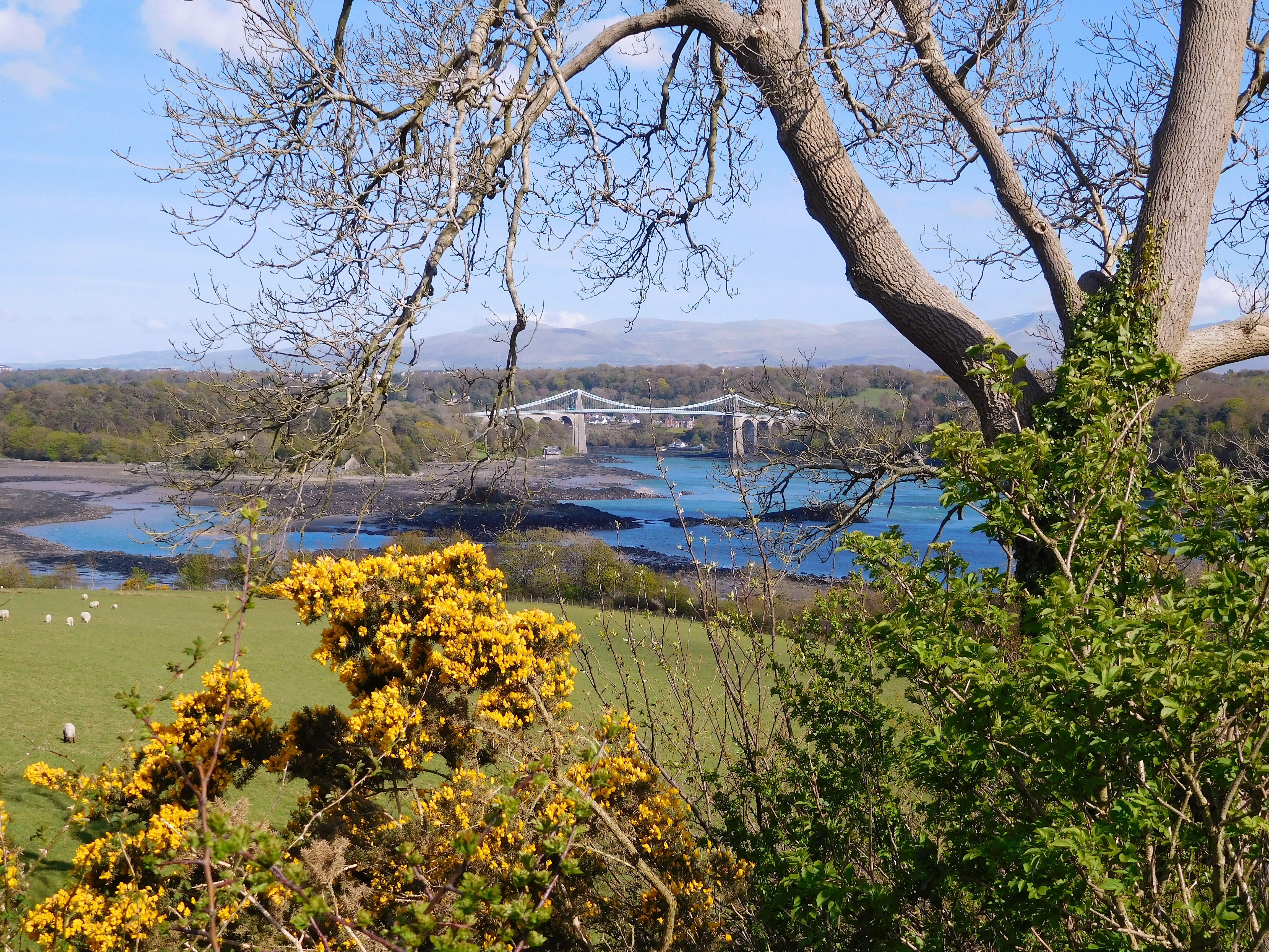
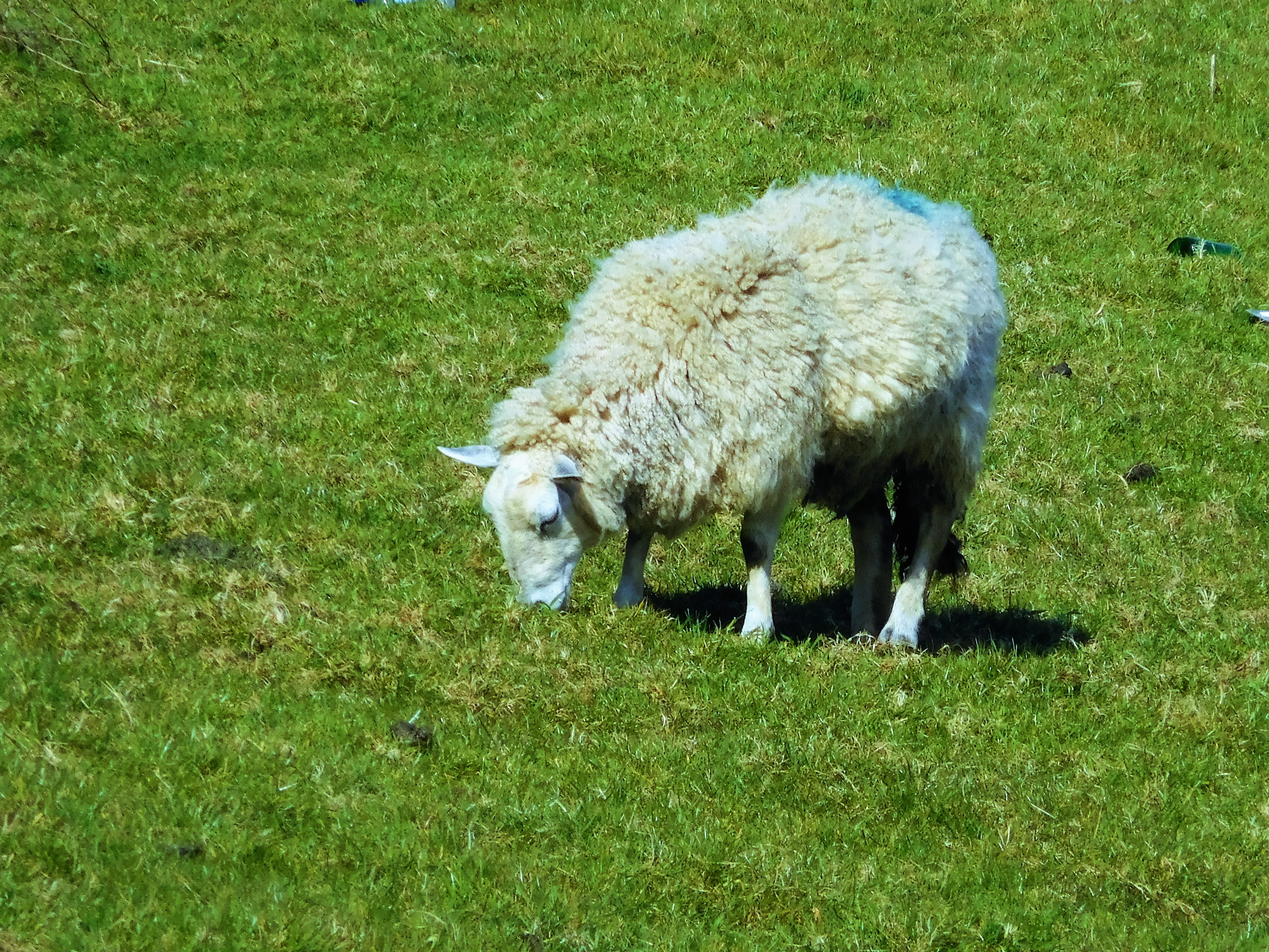
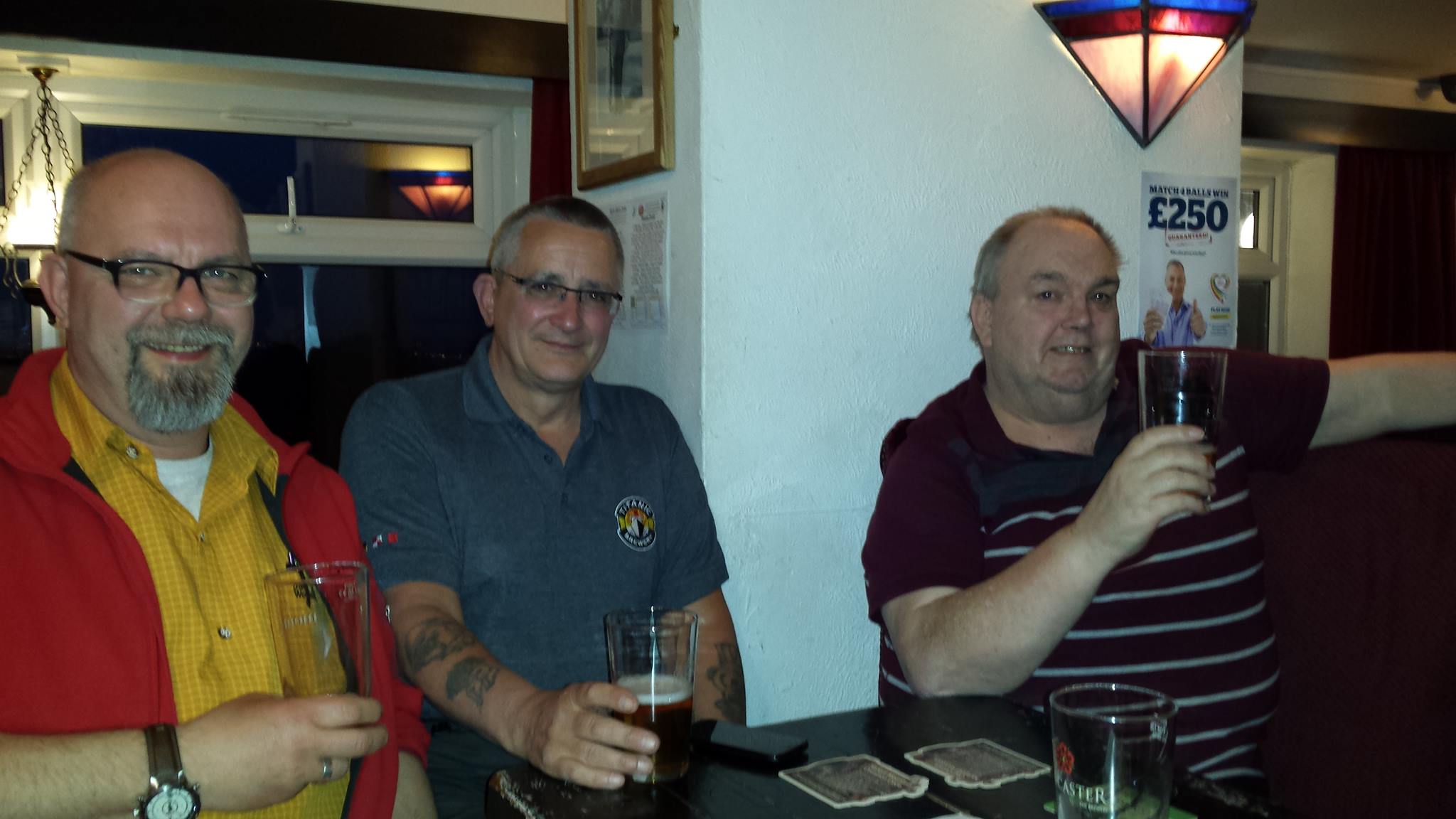
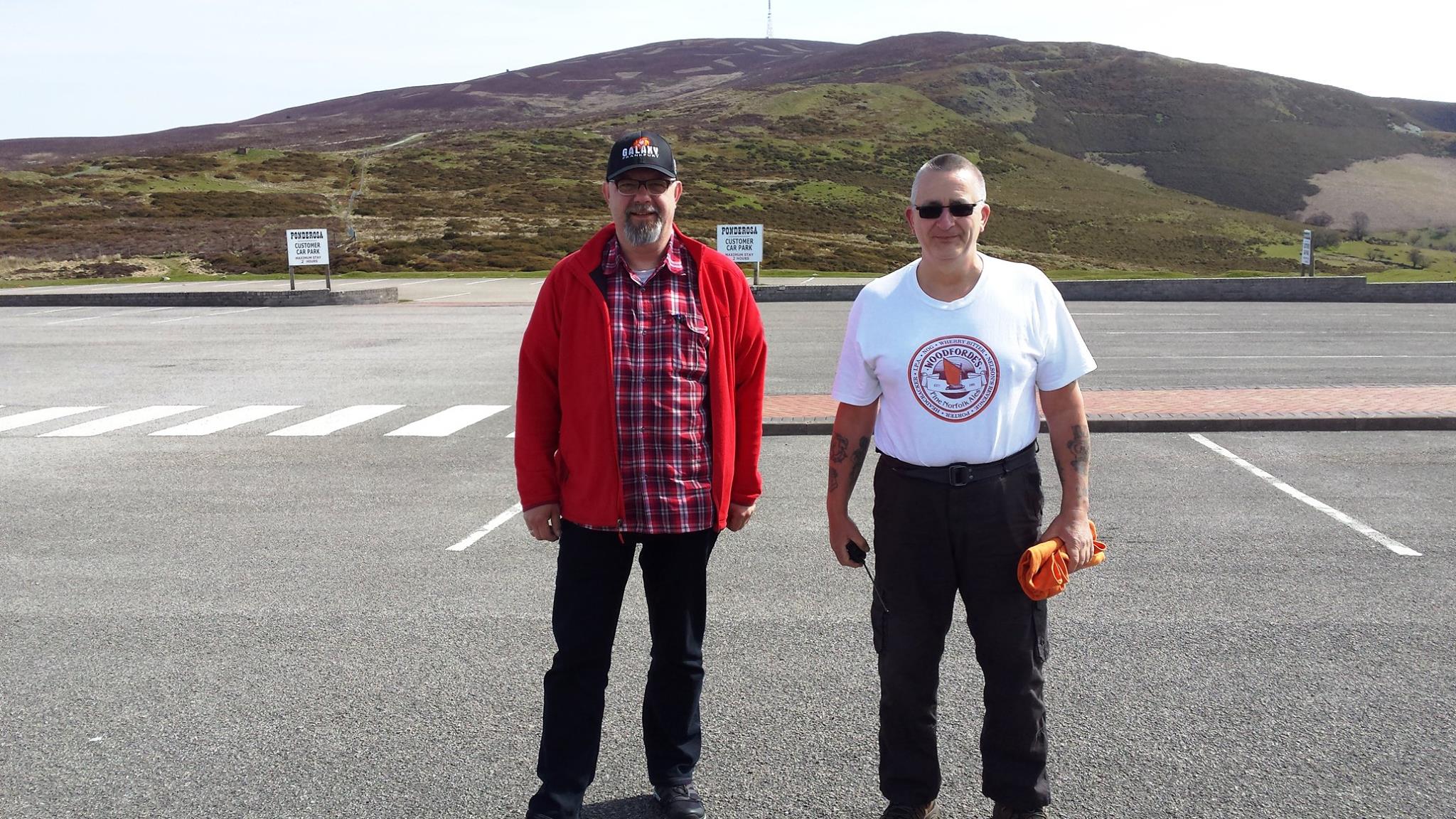
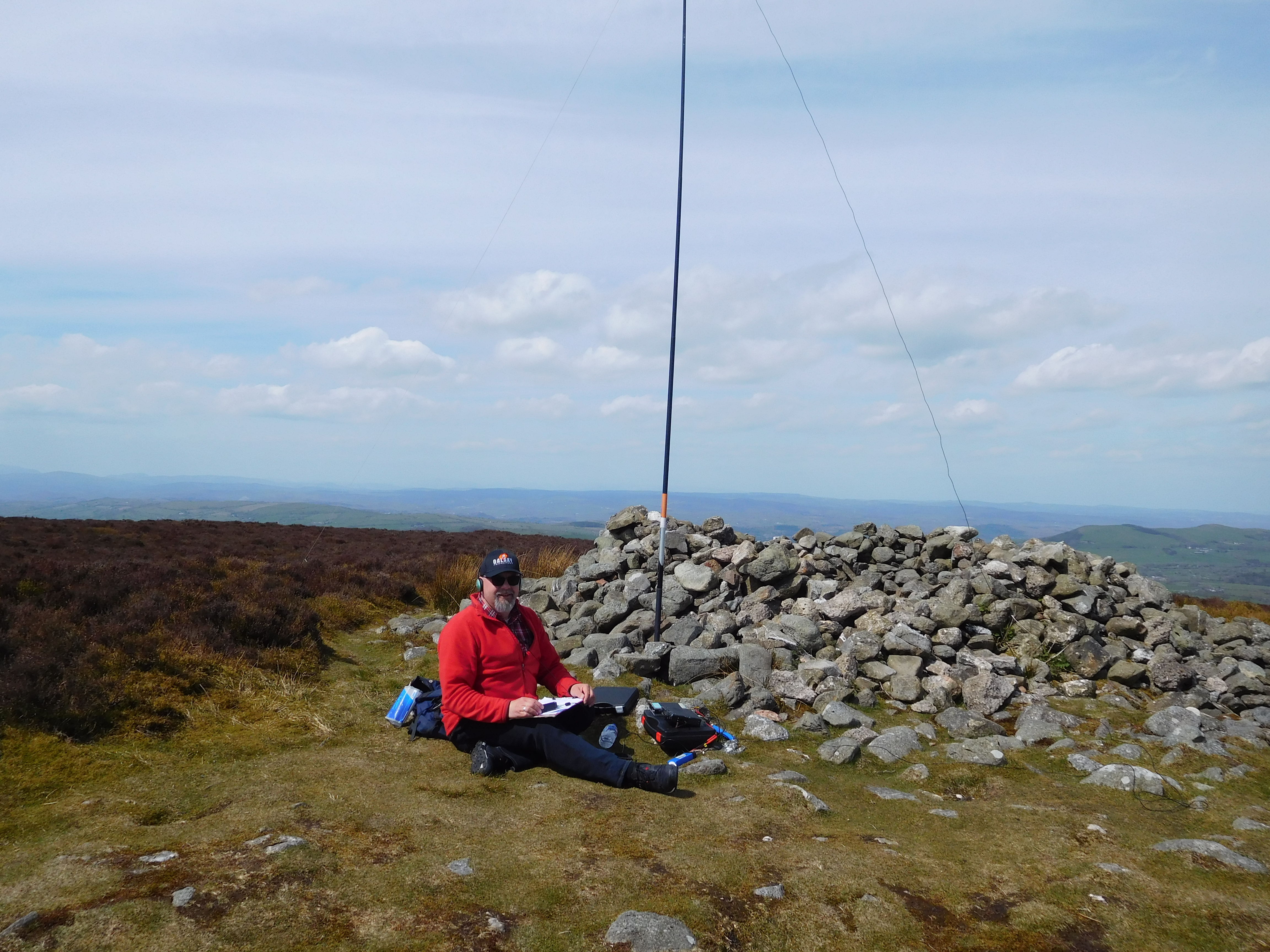
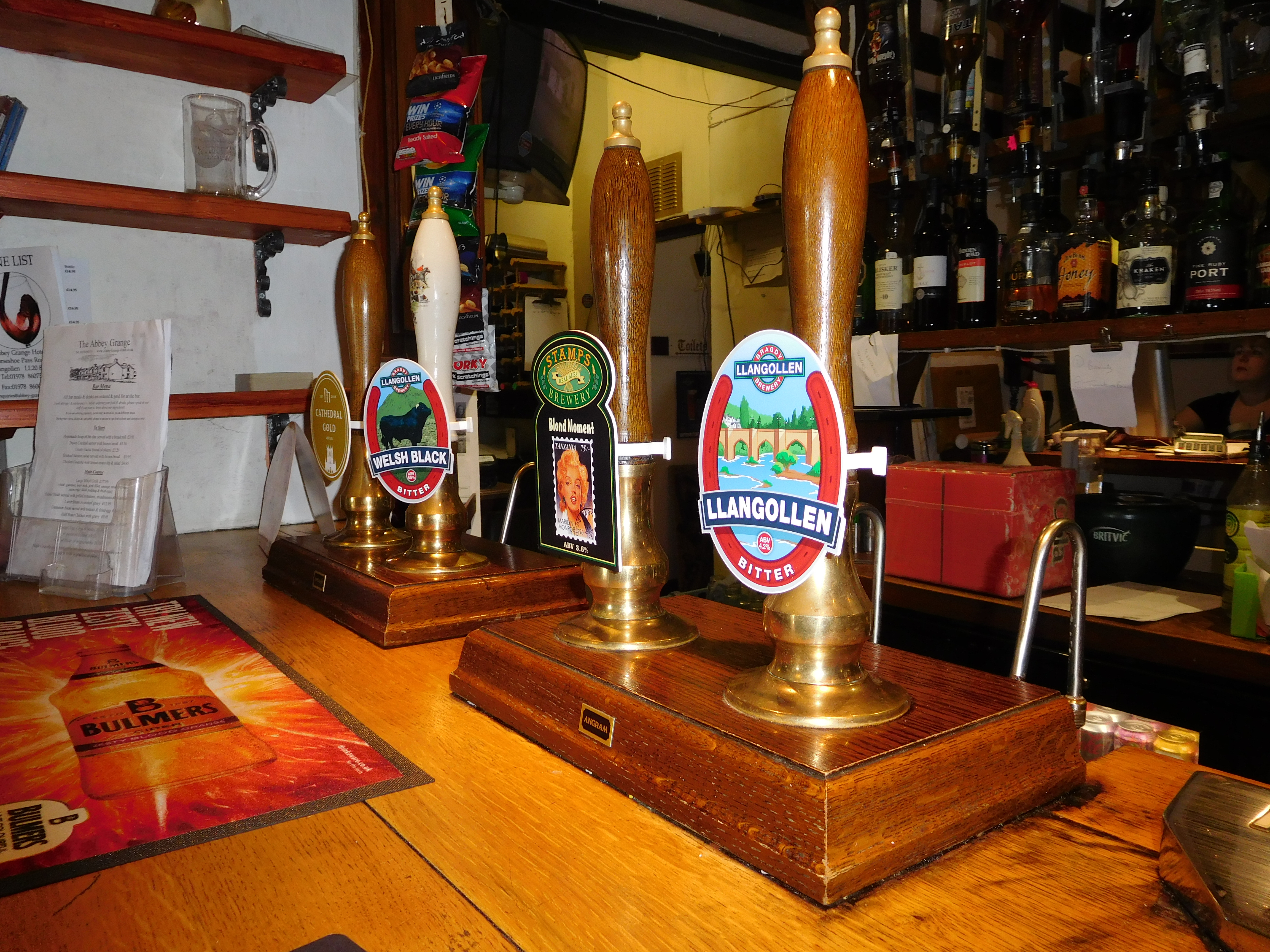
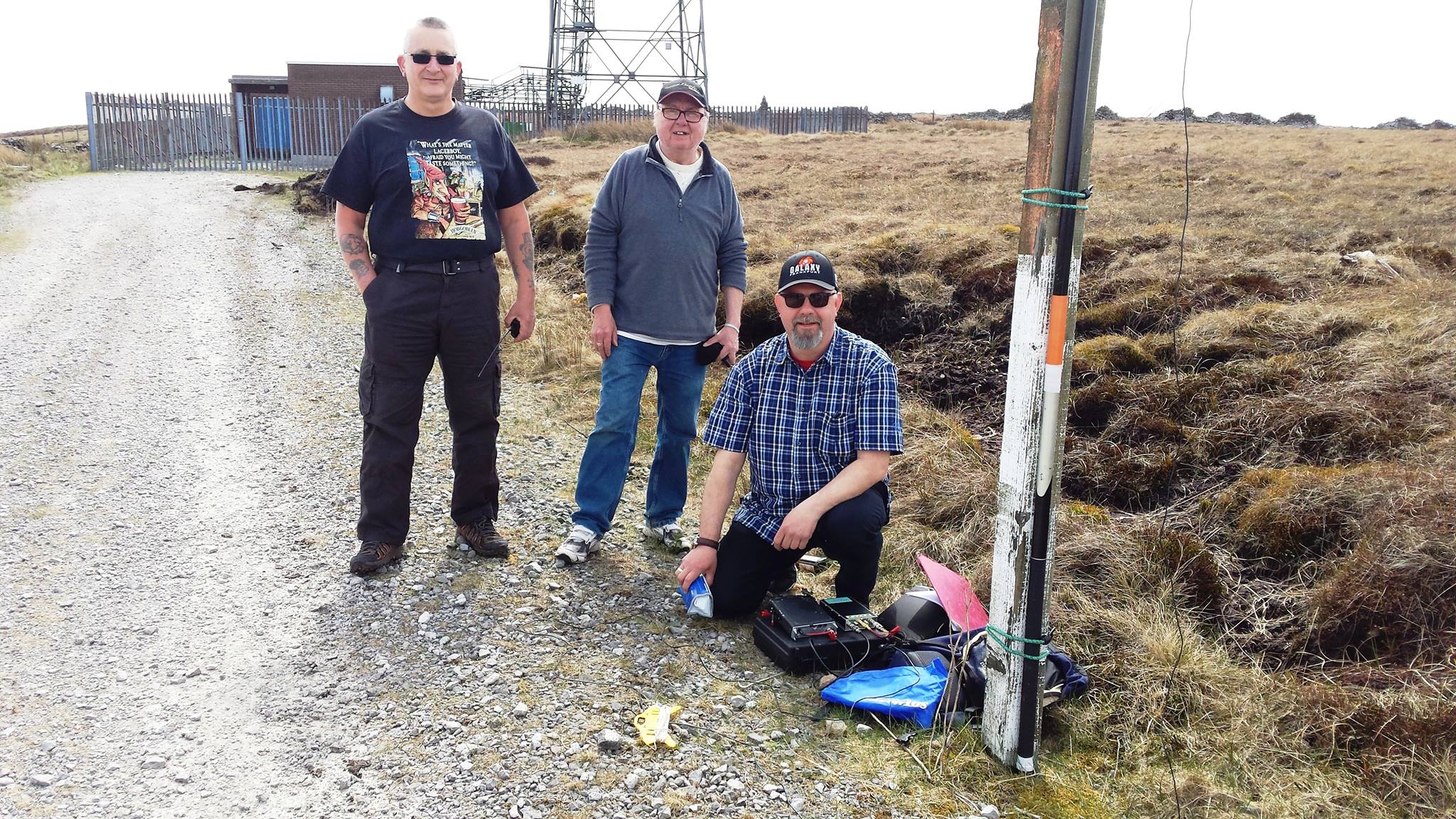
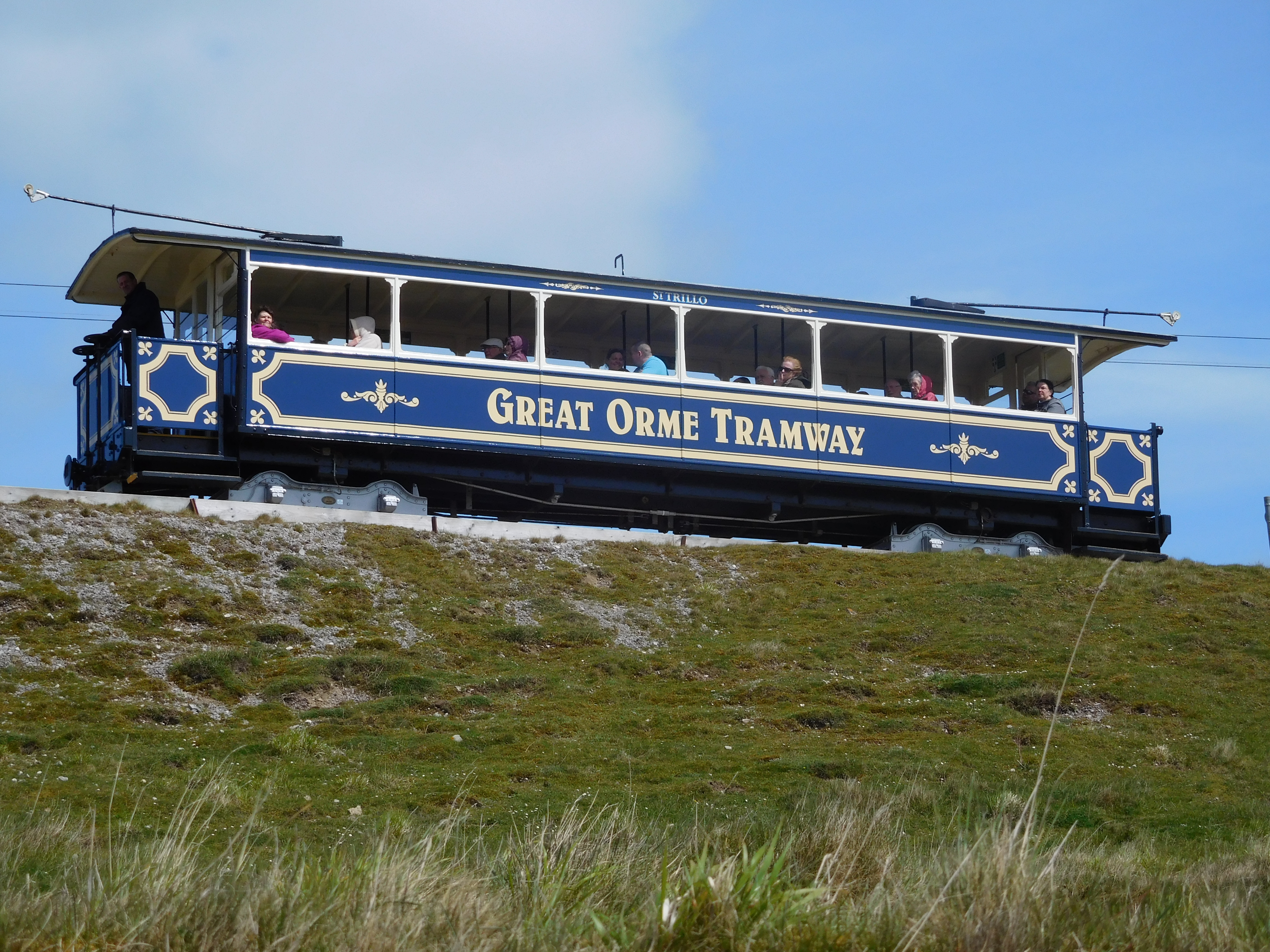
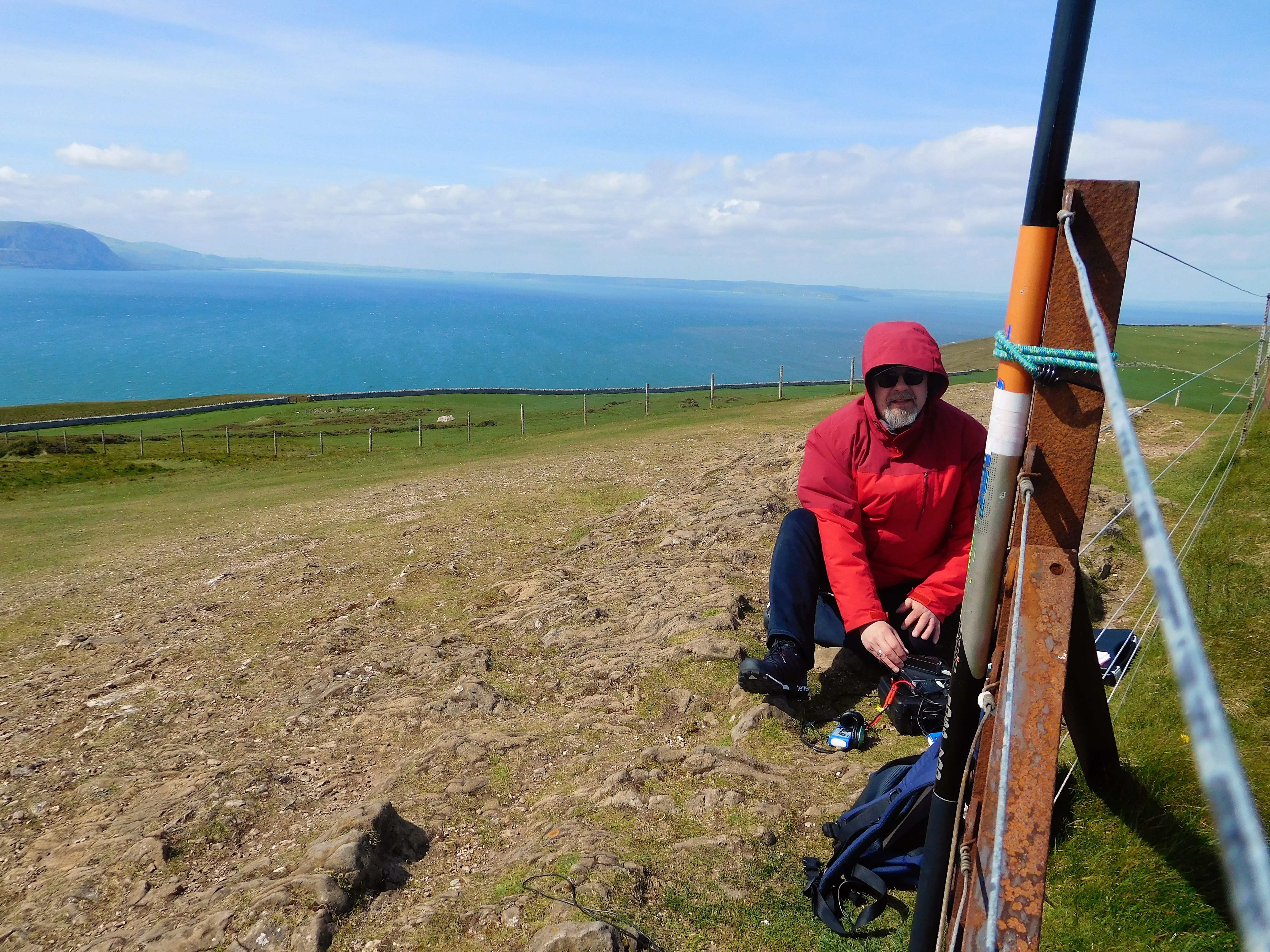
In early May I (M0GQY) was on a trip to North Wales for operating from SOTA summits and for a little bit sightseeing. I stayed at Mike, GW0DSP, and his wife Anne, who were fabulous hosts. Thanks again! The wx was quiet good, sometimes very windy on the mountains. HF conditions were sadly not so good. Steve, G1INK, joined us for the most time and we also met Mike, 2E0YYY, on G/SP-010, where we set up 3 stations.
The flight was from Bremen to Manchester and back. Of course, there was again a special security check because of the radio equipment, but everything was okay and the inspectors as usual very friendly.
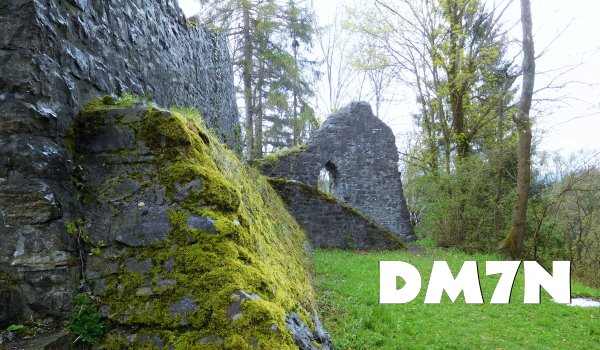
CASTLES ON THE AIR-DAY 2016: okay- my decision was „Burg Hachen“ . WX was very cold and misty. I made some QSO as DM7N on 40m CW and then qsyed to the hot coffee
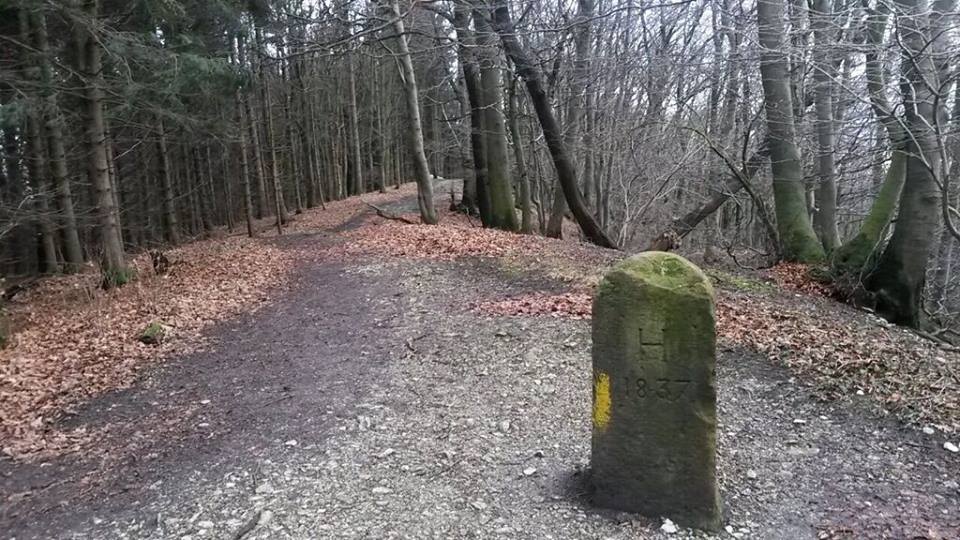
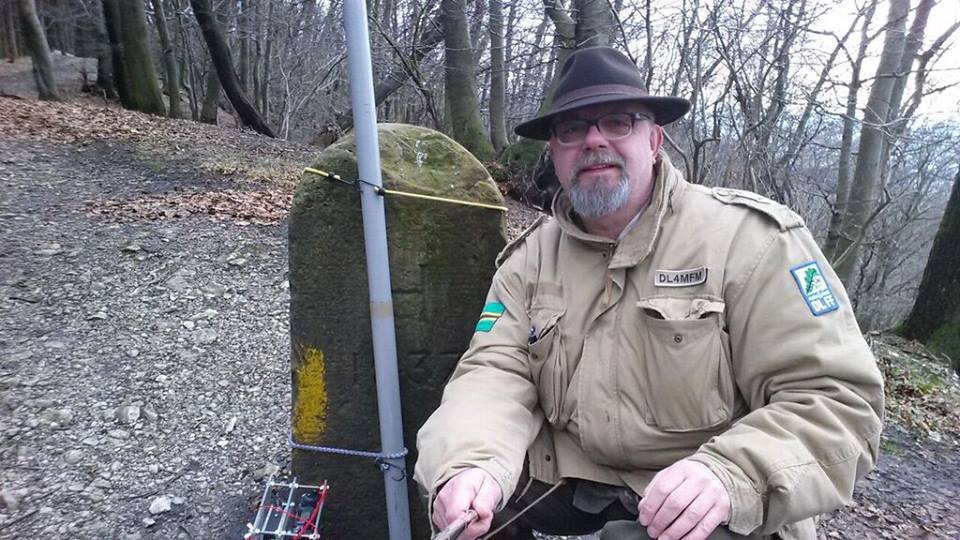
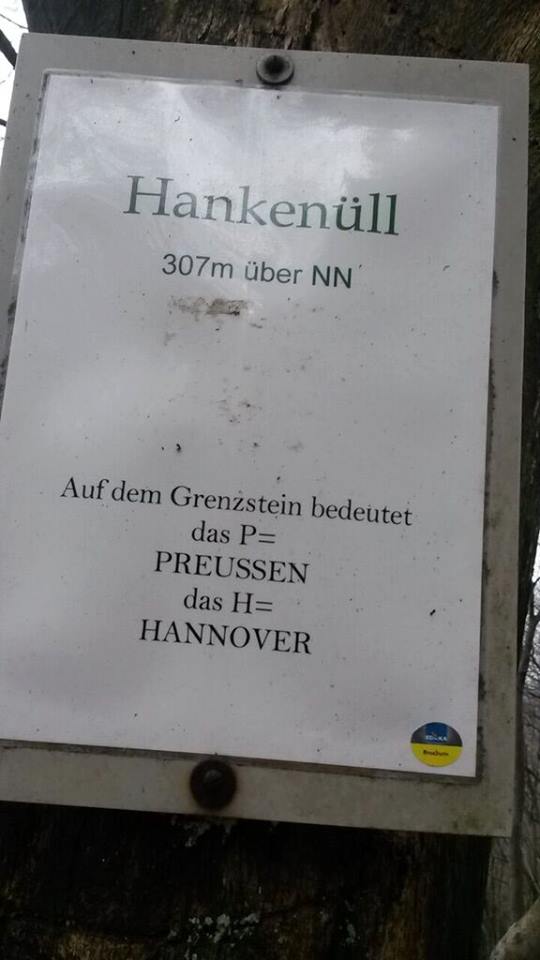
07-FEB-2016: Hankenüll, DM/NS-058, JO42CC. This is a typical landscape from the Teutoburg Forrest. A small ridgeway and on both sides it falls steep down. This was the last SOTA activation from this summit, meanwhile it is deleted. 50 QSOs within one hour, 11°C, heavy winds, 25w output to a linked dipole and a lot S2S (Summit to Summit) qsos.
Die vermutlich letzte, für SOTA gültige, Aktivierung des Hüggels. Zum 1. März 2016 werden hunderte Gipfel aus der deutschen SOTA Liste gestrichen, weil auch im Mittelgebirge die Maßstäbe der Hochgebirge angewendet werden: 150m Schartenhöhe. Das bedeutet, hier in der Osnabrücker Gegend bleibt nur noch der Dörenberg übrig … aber zum Glück gibt es ja „GMA„, bei dem keine Schartenhöhe angewandt wird, sondern der Spaß im Vordergrund steht.
Für den diesjährigen 10m Contest habe ich mich für die 2x CW Klasse entschieden. Station: FT-817 ND plus 25w PA, Delta Loop ca. 26m über Grund, 350m ü. NHN. Im Log landeten 41 QSO, das ist weniger als die Hälfte, die ich sonst in SSB habe. Score 1400 Pts, das kann ich jetzt nicht einschätzen, wo man da landet … einfach überraschen lassen. 73 von den Bergen, Mario
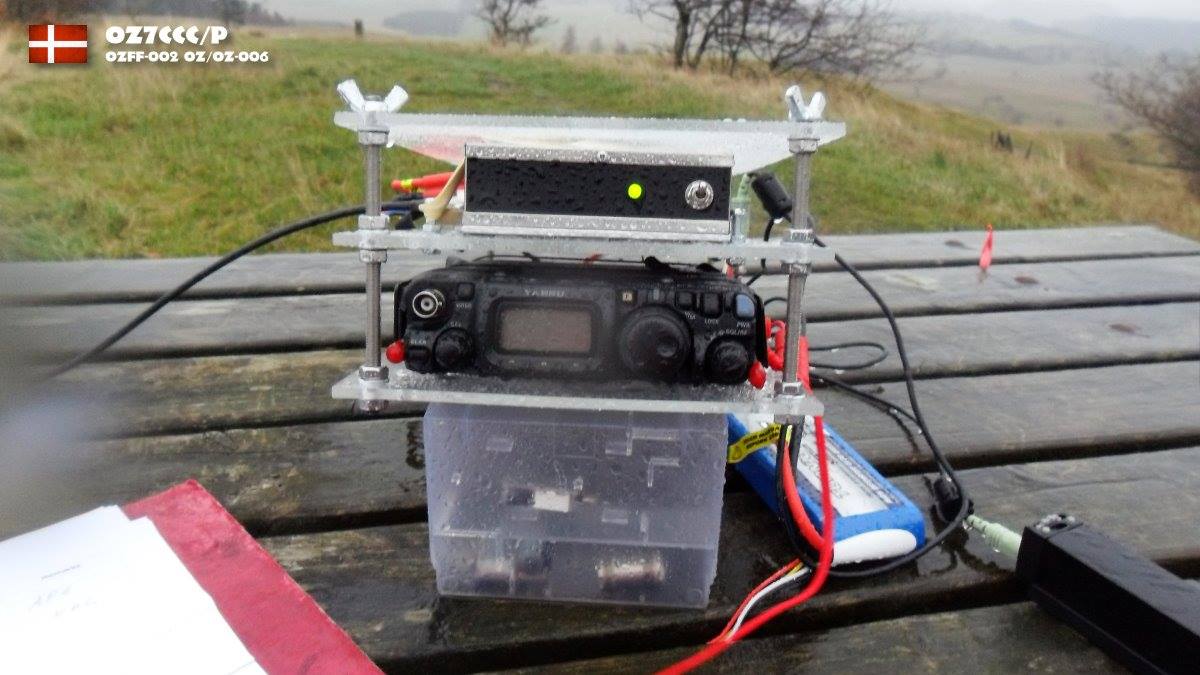
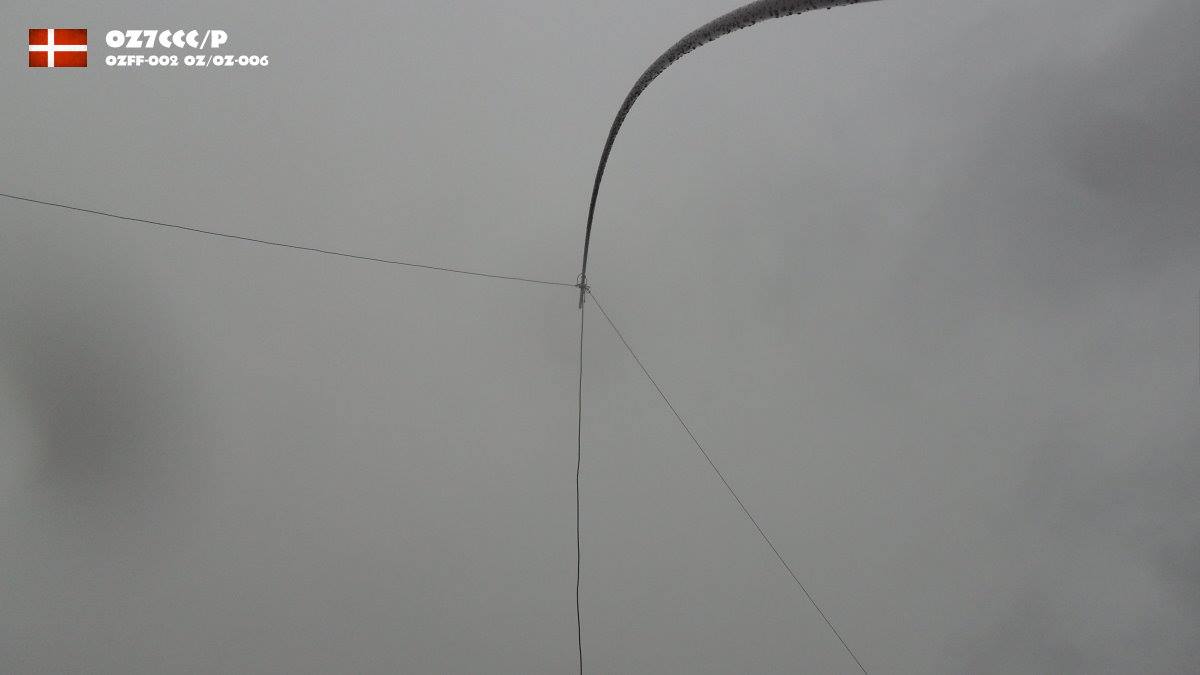
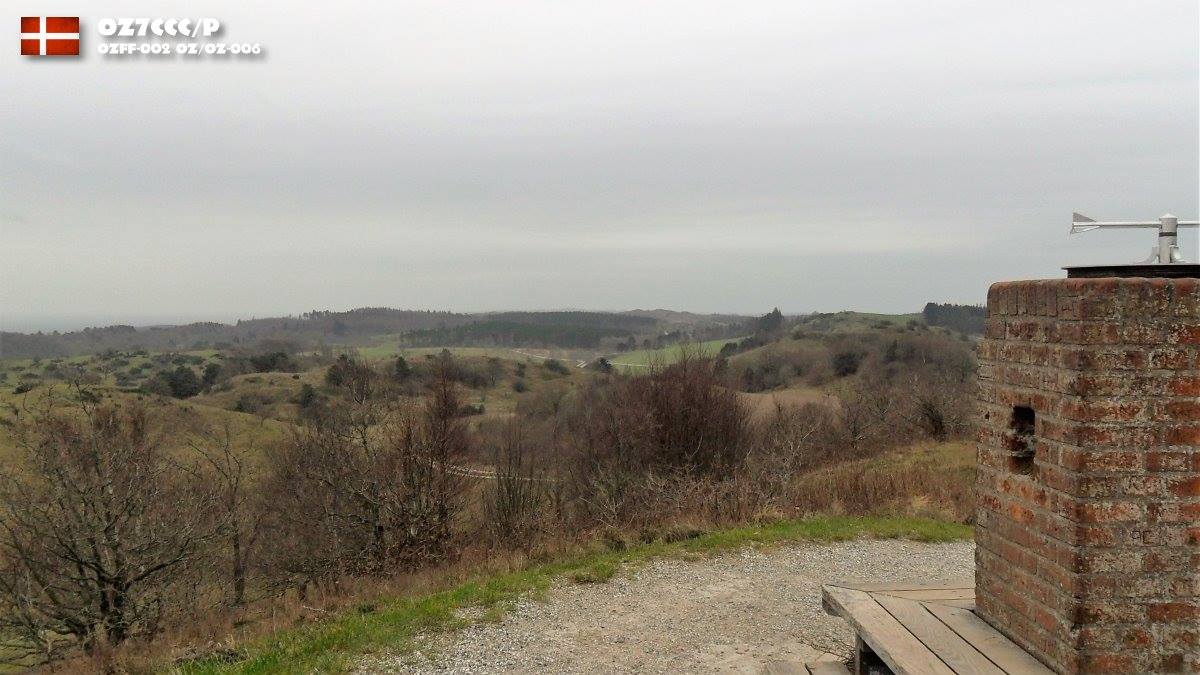
Like some years before, I activated on the last day of the year the Agri Bavnehøj in the Mols Bjerge (OZFF-0002). Exactly this 2 hours of the activation we had rain during our holidays.
Only 25 QSOs came into my log. Again, I have a feeling that the QSO number (from SOTA-referenced summits) is steadily decreasing, while the effort of the station becomes larger again. No more QRP, dipole antennas instead an MP-1 portable antenna.
WSPR (sprich whisper) steht für Weak Signal Propagation Reporter. Im Grunde ist das nichts anderes als eine „Baken-Software“ mit schmaler Bandbreite mit einer automatischen Rückmeldung von Empfangsstationen via Internet. So können live die aktuellen Ausbreitungsbedingungen festgestellt werden.
Per Digitalmode wird Rufzeichen, QTH-Locator und Sendeleistung in einem Zufallszeitsfenster gesendet. Wer mich empfangen hat, kann ich auf einer Google-Map auf der Webseite www.wsprnet.org beobachten. SO kann ich die Augenblicklichen Ausbreitungsbedingungen und die Performance meiner Antennen selbst und aktuell feststellen.
QRV zu werden ist recht einfach: es wird die entsprechende Software von der WSPR Webseite geladen und installiert. Per CAT (wer PSK oder JT65 gemacht hat, hat die Verkabelung ja sowieso schon) und Soundkarten-Interface kommunizieren PC und Funkgerät.
Viele Stationen benutzen Sendeleistungen von 1w und weniger. Ich wollte, neben den aktuellen Ausbreitungsbedingungen, auch die Performance meiner Antenne (Kelemen 30/40/80m) testen und habe 10w Output auf die Antenne gegeben. Das Ergebnis kann auf den Screenshots der „WSPR World Watch“ App abgelesen werden.
Der Empfang in Südamerika und Afrika ist nicht schlechter als woanders, jedoch gibt es dort kaum WSPR-Stationen und darum bleiben diese Erdteile weitgehend ein weißer Fleck.
WSPR (pronounced whisper) stands for „Weak Signal Propagation Reporter“. Basically, this is nothing but a „beacon software“ with narrow bandwidth and automatic feedback of receiving stations via the Internet. So the current propagation conditions can be observed live.
WSPR transmitts per digital mode in a random time window the callsign, QTH locator and power. I can watch on a Google Map on the website www.wsprnet.org anyone who has received me. So I can check the actual propagation and the performance of my antennas.
To be QRV is quite simple: download and install the software from the WSPR website (Linux/WIndows). By CAT (who made PSK or JT65 has the wiring anyway) and sound card interface communicate PC and transceiver.
Many stations use transmitting power of 1w or less. I wanted, in addition to the current propagation conditions, test the performance of my antenna (Kelemen 30/40/80m) and have 10w output given on the antenna. The result can be read on the screenshots of „WSPR Worldwatch“ App.
The reception in South America and Africa is no worse than elsewhere, but there is hardly WSPR stations and therefore these parts of the world remain largely uncharted.
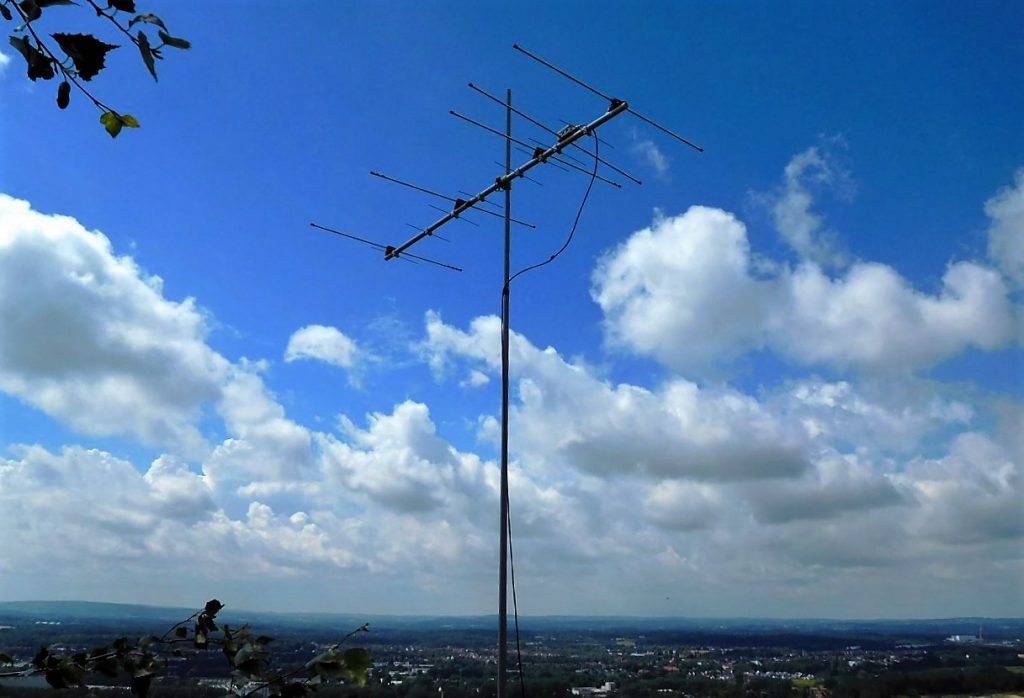
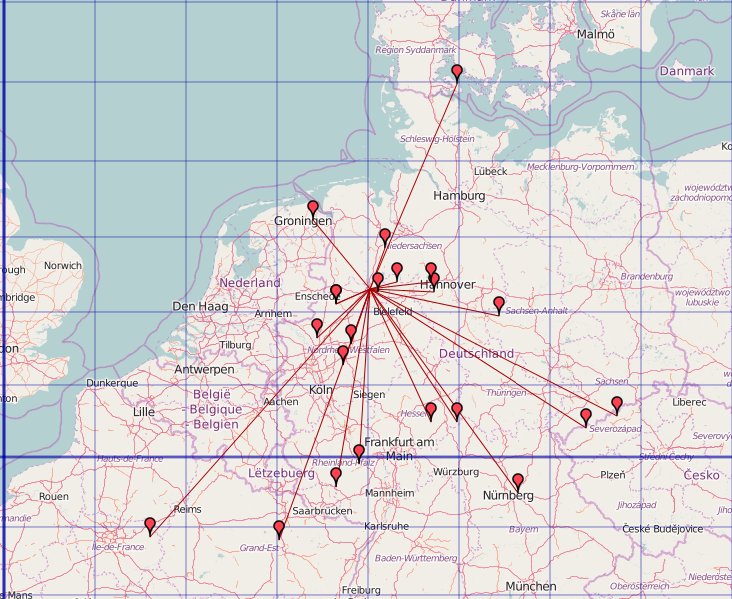
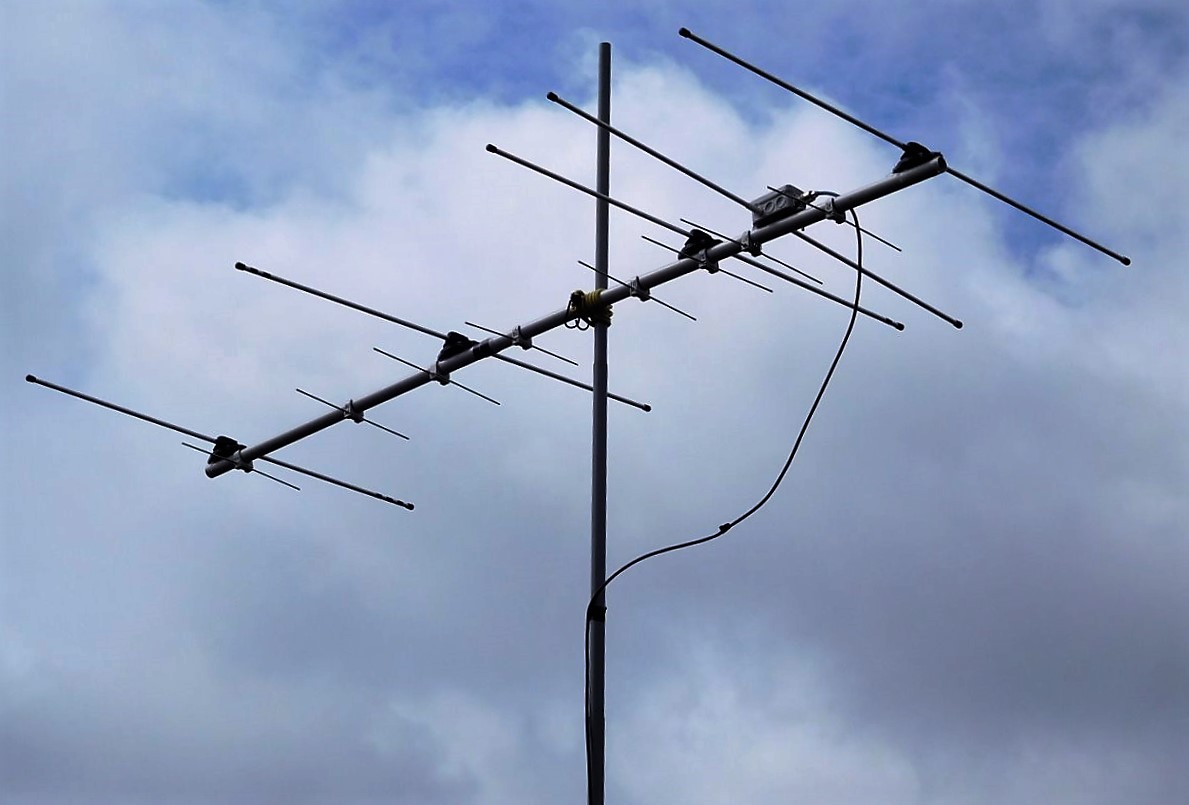
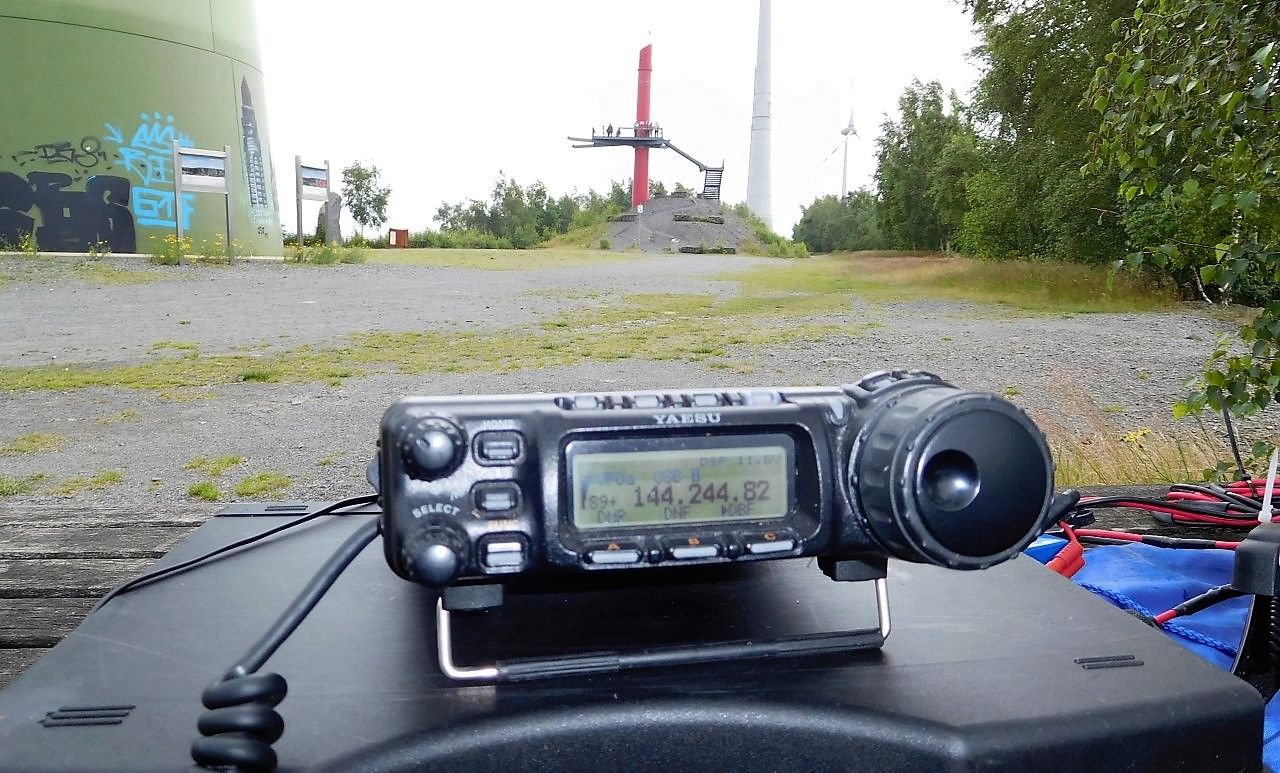
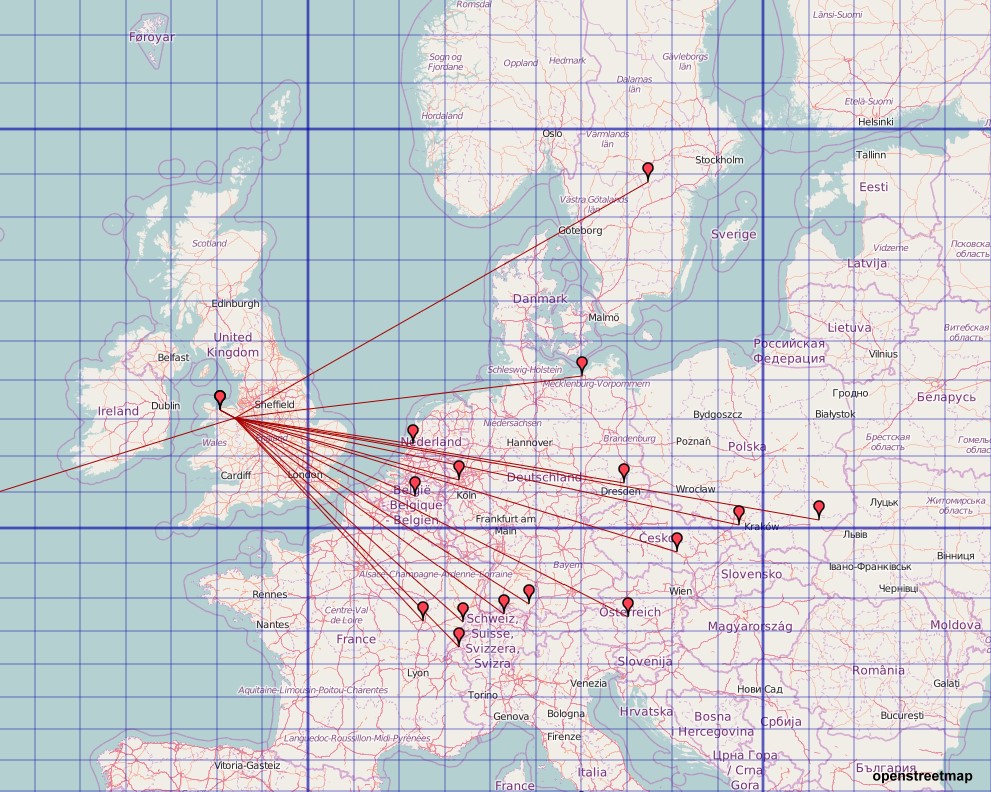
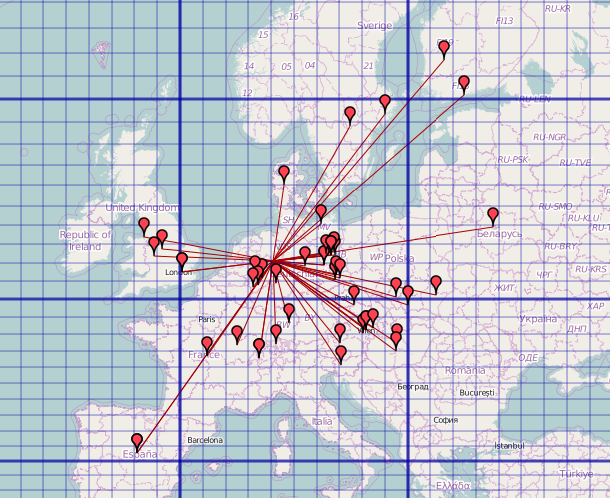
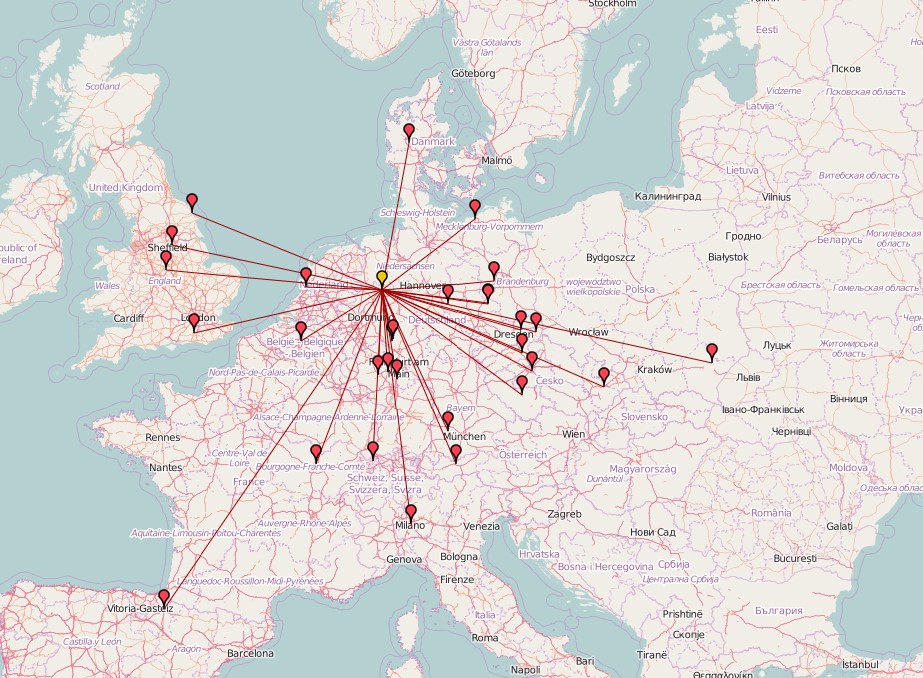
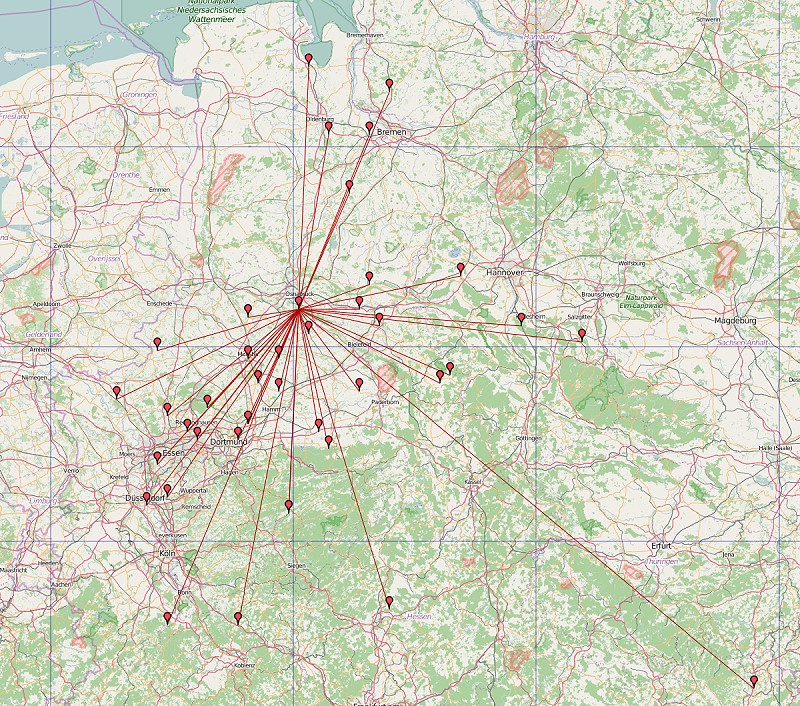
Ein weiteres Mal war ich von meinem Hausberg, dem Piesberg (DM/NS-108 in JO42AH), qrv. Gestern hatten wir Herbstwetter mit Sturm und Regen, aber heute war das Wetter für eine kleine Bergaktivierung geeignet. Etwa 2 Stunden war ich qrv und habe nach neuen und bekannten Stationen gesucht. OE, Österreich, habe ich noch nie vom Piesberg gearbeitet. Das wäre was … und wie immer im Marconi Contest waren die OK Stationen (Tschechien) mit starkem Signal in Osnabrück zu hören. Mit Tom, DL1DVE, hatte ich eine S2S (Summit to Summit) Verbindung mit DA/SX-224 in der Nähe von Dresden für 426km. Dann hatte ich Glück und habe OE5D gehört und auf Anhieb erreicht. ODX heute war G7RAF auf der „Isle of Wight“ für 668km. Station: 25w output, 5 ele Yagi (DK7ZB).
The QSOs on OpenStreetMap
Again 144MHz from my Hausberg „Piesberg“ DM/NS-108 in JO42AH: Yesterday we had autumn weather with rain and storm, but today the wx was okay for some QSO. So I was nearly 2h qrv hoping for new stations. OE is missing from here. As always in Marconi Contest the OK stations were very strong. With Tom, DL1DVE I had a S2S (summit to summit) QSO into Saxonia for 426km. Then I worked luckily OE5D 😀 ODX was G7RAF from the Isle of Wight for 668km. Station: 25w, 5 ele Yagi (DK7ZB).
The Signal of G8T on PiesbergMany Visitors today on the Summit
Diese Seite verwendet Cookies, um die Nutzerfreundlichkeit zu verbessern. Mit der weiteren Verwendung stimmst du dem zu.